Best Silicone Roof Coatings for Metal Roofs: Long-Lasting Protection and Energy Savings
Choosing the right silicone roof coating for a metal roof involves balancing durability, reflectivity, and ease of application. Silicone coatings resist UV rays, resist ponding water, and stay flexible to handle temperature swings common on metal surfaces. This guide highlights five top silicone-based options that perform well on metal roofs, along with a practical buying guide to help you compare features, compatibility, and installation considerations. All selections are suitable for common metal roof materials and are designed to extend roof life while reducing energy costs.
Product Overview
| Product | Brand | Type | Highlights |
|---|---|---|---|
| Countryman Coatings 100% Silicone Roof Coating (4.75 Gallon) | Countryman Coatings | Silicone roof coating | Restore, no primer required, high reflectivity, versatile surface adhesion |
| Liquid Rubber Silicone Roof Coating (White, 1 Gallon) | Liquid Rubber | Silicone roof coating | One-coat, highly flexible, UV stable, good for multiple substrates |
| Countryman Coatings – 100% Silicone Roof Coating (1 Quart) | Countryman Coatings | Silicone roof coating | Adheres to many surfaces, energy-efficient reflectivity |
| GE GE5050 Silicone II Aluminum And Metal Sealant | Momentive | Silicone sealant | Grey metal sealant, good for metal joints and seams |
| Titebond WeatherMaster Metal Roof Sealant 62611 (Silver) | Titebond | Sealant | Seals metal roofs and related components, broad material compatibility |
Countryman Coatings 100% Silicone Roof Coating (4.75 Gallon)

Countryman Coatings’ 4.75 gallon silicone roof coating is engineered to restore, protect, and extend the life of various roof types. It adheres to metal, modified-bitumen, EPDM, smooth-surface built-up roofs, and more. The formulation emphasizes high adhesion without a primer in many scenarios, which helps simplify application for DIY projects and professional jobs alike. Its reflective properties contribute to reduced energy costs by deflecting UV radiation, keeping interiors cooler and potentially lowering cooling loads over time.
Key considerations include surface compatibility, required number of coats, and the roof’s age. This coating is designed to deliver durable performance across diverse substrates, but preparatory steps (like cleaning and repairing imperfections) can influence final adhesion and longevity. For metal roofs, ensuring proper surface drying time and avoiding ponding water during cure are important for max performance.
Liquid Rubber Silicone Roof Coating (White, 1 Gallon)

Liquid Rubber’s silicone roof coating is described as highly flexible and durable, with elongation that helps prevent cracking from thermal expansion and contraction. The product is UV-stable and designed for multiple roofing materials, including metal, flat, and sloped surfaces. Coverage typically varies by substrate, with guidance suggesting about 1 gallon per 50 square feet, and a recommended two-layer approach for some installations. The silicone formula aims to deliver a long-lasting seal that resists weathering and maintains flexibility over time.
When applying to metal roofs, temperature, surface cleanliness, and weather conditions during application can impact cure and performance. It’s also important to consider the roof’s existing coating and any repair requirements before full-scale coating to ensure best adhesion and waterproofing results.
Countryman Coatings 100% Silicone Roof Coating (1 Quart)

This quart-sized silicone roof coating from Countryman Coatings emphasizes strong adhesion across a variety of surfaces with no primer required in many situations. The product focuses on energy efficiency through high reflectivity, helping to reduce heat gain in buildings with metal roofs. It is marketed as suitable for metal, EPDM, and other common roof types, making it a versatile option for renovations, repairs, or new installations.
Prospective buyers should assess whether a single quart meets the project’s coverage needs, especially for larger roofs. For larger areas, a 1-gallon or 4.75-gallon option may provide a more cost-effective and efficient approach. Surface prep and recommended cure times should be followed closely to maximize adhesion and longevity.
GE GE5050 Silicone II Aluminum And Metal Sealant
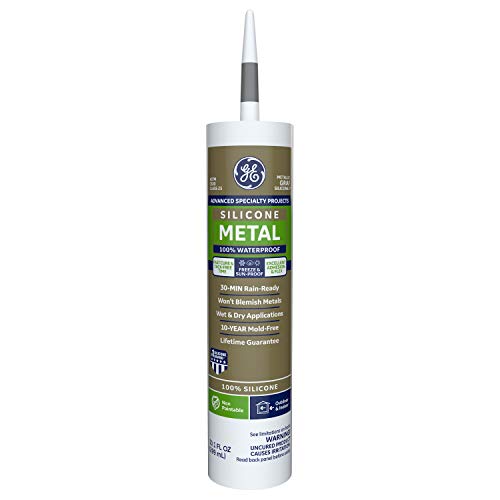
Momentive’s GE5050 Silicone II is a metal sealant designed for aluminum and other metals, offering a grey finish that blends with typical metal substrates. As a silicone-based sealant, it is well-suited for sealing joints, seams, and penetrations on metal roofs, helping to address movement and expansion. It’s positioned as a reliable option for critical closures or flashing, where flexible, weather-resistant seals are necessary to prevent leaks.
Practical considerations include cure time, weather conditions during application, and compatibility with surrounding coatings. While primarily a sealant, its performance on metal joints can complement a silicone roof coating, providing a complete system for metal roof integrity.
Titebond WeatherMaster Metal Roof Sealant 62611 (Silver)

Titebond’s WeatherMaster 62611 is a silver-colored sealant designed for metal roofs, windows, doors, and related components. It claims strong adhesion to Kynar-coated metals, aluminum, galvanized steel, copper, and various other building materials. The product is described as performing well in extreme weather conditions, which makes it suitable for areas with wide temperature ranges or harsh environmental exposure. As a sealant, it is often used for flashing, joints, and penetration points where flexibility is needed to accommodate movement.
Important considerations include substrate compatibility, movement allowances, and the need for proper surface preparation to maximize adhesion. While it provides a robust sealing solution, pairing this sealant with a dedicated silicone roof coating can create a comprehensive metal roof waterproofing system in some projects.
Buying Guide: Silicone Roof Coatings For Metal Roofs
- Substrate compatibility: Confirm that the product adheres well to metal, including Kynar-coated metals, galvanized steel, aluminum, and copper. Some formulations also work on concrete or wood, offering versatility for multi-material roofs.
- Reflectivity and energy efficiency: Look for high solar reflectivity to reduce heat gain, which can lower cooling costs and extend roof life. Coatings with proven reflectivity ratings are particularly valuable for commercial and home buildings with metal roofs.
- Primer requirements: Some silicone roof coatings claim no primer is needed, while others may require one for certain substrates. Primer needs can affect project timelines and cost.
- Application and cure: Consider weather conditions during application, cure times, and required coat thickness. Flexible, UV-stable formulas reduce risk of cracking due to thermal movement on metal roofs.
- Durability and warranty: Evaluate the expected lifespan, UV resistance, and any manufacturer warranties. A longer warranty often correlates with proven performance on metal substrates.
- One-coat vs multi-coat approach: Some products are designed for single-coat application, while others benefit from multiple layers to achieve the desired thickness and protection level.
- Environmental impact and energy savings: Reflective coatings can lower energy usage, which is beneficial for both indoor comfort and environmental footprint. Check for certified reflectivity ratings where available.
- Maintenance and re-coating: Determine how often re-coating is recommended and whether previous coatings must be removed or abraded before applying a new layer.
- Color and aesthetics: White or light-colored coatings maximize reflectivity, while some sealants may come in gray or silver to blend with metal aesthetics.
- Cost per square foot: Compare coverage rates and container sizes to estimate total project cost. Larger multiples (gallon or quart packs) can offer better per-area pricing for bigger roofs.
Buying decisions should weigh climate, roof age, substrate variety, and whether a full coating system or targeted sealant is required. A combined approach—using a silicone roof coating for the main surface and a silicone sealant for joints and penetrations—often yields a durable, weather-resistant metal roof solution. Always follow manufacturer instructions for surface prep, application temperature, and cure times to maximize performance and longevity.