Best Insulation for Camper: Top Picks for Cooler Rides and Warmer Interiors
Choosing the right insulation for a camper can dramatically improve comfort, reduce energy use, and protect interior spaces from extreme outdoor temperatures. The following selections focus on reliable materials and practical designs that fit typical camper configurations. From reflective radiant barriers to door curtains that seal heat inside, these options address roof vents, doors, and general wall insulation. Each product is selected for ease of use, compatibility with American RV lifestyles, and proven performance in variable climates.
| Product | Brand | Type | Key Benefit |
|---|---|---|---|
| Thinsulate SM600L Automotive Camper Van Insulation | Kei Project | Roll insulation | High R-value per inch with vehicle-grade engineering |
| Camco Camper/RV Vent Insulator and Skylight Cover | Camco | Vent insulator and skylight cover | Reduces solar gain and enhances A/C efficiency |
| SmartSHIELD Reflective Insulation Roll | INSULATION MARKETPLACE | Reflective foil with foam core | Excellent radiant barrier and vapor barrier properties |
| SIKADEER RV Vent Insulator (14”x14”) | SIKADEER | Skylight cover | Fits standard RV skylights with reflective surface |
| RV Door Insulation Curtains (Magnetic/Velcro) | DZGKGM / EZIRVLIFE / ESUDNT | Door covers | Seals and blocks drafts at doors |
Thinsulate SM600L Automotive Camper Insulation

Kei Project offers a vehicle-grade insulation option designed for campers and van conversions. The roll comes in two 10-foot sections, providing a total of 20 feet of material with a wide 60-inch width. At 1.65 inches (44 mm) thick, it delivers substantial bulk for wall and ceiling applications. The listed R-value is 5.45 per inch, contributing to noticeable thermal resistance. This product is FMVSS 302 certified for vehicular use, which supports reliability in mobile environments. It is particularly suitable for those seeking a concealed, high-performance insulation layer behind interior panels.
Camco Camper/RV Vent Insulator and Skylight Cover

Camco’s three-layer vent insulator is designed to reduce heat transfer through standard 14″ vents. It blocks sunlight, helping to keep interiors cooler in summer and warmer in winter, while also boosting A/C efficiency. The product is compatible with typical RV roofs, making it a practical plug-and-play upgrade for motorhomes, travel trailers, fifth wheels, and similar setups. Its emphasis on blocking solar gain complements other insulation layers by targeting one of the most common heat gain points in campers—vent openings.
SmartSHIELD Reflective Insulation Roll
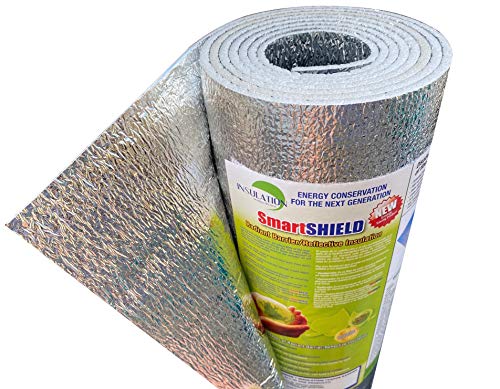
This insulation from INSULATION MARKETPLACE features a 3 mm closed-cell foam core sandwiched between highly reflective foil on both sides. It is marketed as an effective radiant barrier capable of reflecting up to 95% of radiant energy. The foam core provides a modest vapor barrier and structural support, while the reflective surface helps maintain interior temperatures with minimal bulk. The material is described as easy to install, cut, and clean, offering a balanced option for walls, ceilings, and even floor applications where sheet-like insulation is feasible.
SIKADEER RV Vent Insulator
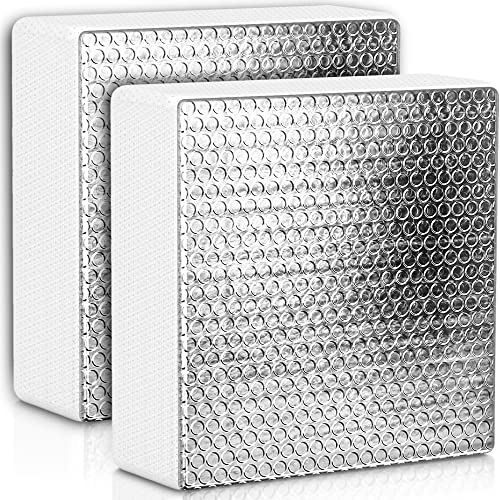
SIKADEER’s 14″ x 14″ x 3″ skylight insulation cover provides a targeted solution for RV skylights. Its reflective surface contributes to interior temperature stability, helping warm air stay inside during winter and heat stay out in summer. The product is designed for quick installation, with a flexible inner filling that makes it easy to insert into vent wells and remove when needed. This insulation helps reduce energy use associated with climate control while preserving light control and privacy.
DZGKGM RV Insulated Door Cover

The DZGKGM insulated door curtain is designed to fit a wide range of RV doors (up to about 33″ x 80″). It uses thick cotton filling and robust seals to block drafts and keep warmth inside during cold months, while also helping to keep cool air in during heat waves. The multilayer construction includes rugged Oxford fabric with waterproof backing for durability against weather exposure. In addition to thermal benefits, the curtain provides privacy and minor sound dampening, making it a practical year-round accessory for campers and travel trailers.
EZIRVLIFE Camper Insulated Door Cover
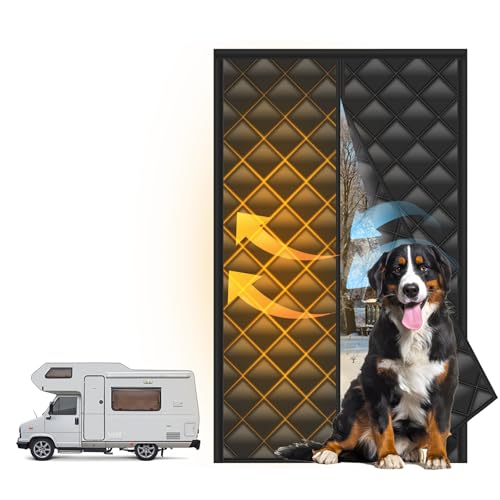
EZIRVLIFE offers a magnetic, magnet-seal, and Velcro-secured insulated door cover that aims to minimize air exchange at the doorway. Its design emphasizes easy installation and quick access, with magnetic fasteners on the sides to keep the curtain closed. The material is described as windproof and capable of reducing energy consumption by limiting hot or cold air loss. This solution is well-suited for frequent entry and exit while maintaining interior temperature stability, especially in transitional climates.
ESUDNT RV Door Cover – Insulated Door Curtain

ESUDNT’s insulated door curtain is designed for doors up to a similar size range as other standard RV doors. It emphasizes warmth retention and energy efficiency, with a focus on blocking cold air while keeping interior comfort consistent. The cover is built to withstand seasonal use with materials aimed at durability and weather resistance. Like other door insulation options, it complements interior panels and ceiling insulation to form a complete thermal envelope for campers in winter or during chilly transitions.
The Fellie Reflective Insulation Sheet

The Fellie insulation sheet is a flexible, reflective solution sized at 24 inches by 16 feet, allowing users to cut to fit. It combines double-sided aluminum foil with bubble insulation to reflect radiant energy and reduce heat transfer. The material is described as reusable and weather-resistant, offering a lightweight option for windows, doors, and other interior surfaces. This sheet is particularly useful for campers needing a low-bulk barrier that can be removed or repositioned as seasons change.
Buying Guide: Key Purchase Considerations
When selecting insulation for a camper, consider the following factors to balance performance, cost, and practicality:
- R-value vs. radiant barrier: R-value measures resistance to heat flow, while reflective foils primarily curb radiant heat transfer. A combination approach often yields the best overall performance in varied climates.
- Application area: Roofs, walls, skylights, doors, and vents each have unique requirements. Choose materials sized for standard vents, skylights, and door openings to minimize cutting and waste.
- Durability and weather resistance: Camping gear endures temperature swings, moisture, and abrasion. Look for moisture resistance, rugged outer fabrics, and secure mounting methods (magnetic, Velcro, etc.).
- Ease of installation: For DIY van conversions or camper updates, select products that are lightweight, easy to cut, and quick to install without special tools.
- Ventilation compatibility: Some insulation solutions pair with existing ventilation to preserve air quality. Vent insulators should still allow for safe vent operation if needed.
- Portability and reusability: Removable or foldable options can be advantageous for seasonal storage and reconfiguration of interior layouts.
- Certification and safety: Vehicle-grade insulation and FMVSS compliance indicate materials tested for mobility and safety, reducing risk in moving campers.
- Budget and weight considerations: Heavier insulation adds weight and may impact fuel efficiency. Prioritize a practical balance of performance and weight for your setup.
Comparative Perspective: Choosing The Right Mix
For many campers, a layered approach works best: a radiant barrier on the roof and walls, window coverings or reflective panels for skylights, and door curtains that seal entry points. This combination helps address three major heat transfer paths: conduction through walls, convection via air exchange at doors, and radiant gain through sun exposure. Consider pairing a roll like the SmartSHIELD or Fellie sheet with door covers for a comprehensive thermal envelope. Vent insulators, such as the Camco product, complement interior insulation by curbing solar heat before it reaches the living space. The result is a versatile, modular system that can be tailored to seasonal needs and travel destinations.
In practice, evaluating your climate exposure—hot summers, cold winters, or variable shoulder seasons—will guide how aggressively you insulate. If you frequently park in direct sun, prioritize radiant barriers and reflective surfaces. If your heating bills are a concern during winter trips, emphasize samples with higher R-values and tight seals at doors and windows. By selecting compatible products designed for campers, you can build an insulation strategy that remains effective across multiple trips and weather patterns.