Best Adhesive for Rubber: Top Products for Reliable Rubber Bonding
Choosing the right rubber adhesive can be challenging due to varying surfaces and conditions. The following selections target common rubber bonding needs—from tires and boots to gaskets and DIY craft projects. Each option offers strong adhesion, rubber-to-rubber compatibility, and water or heat resistance to perform in real-world environments. Below is a quick at-a-glance summary to help you compare:
| Product | Brand | Best For | Key Benefit |
|---|---|---|---|
| LOOCTOT Black Rubber Glue | LOOCTOT | Instant bonding on tires, edges, tubes | Fast-drying, anti-clog cap |
| Meuvcol Rubber Glue | Meuvcol | All rubber types, automotive parts | Ultimate repair strength, precise tips |
| Bondtech Rubber Glue 30 g | Bondtech | Rubber to rubber, plastic, metal, wood | Three droppers for precision |
| INSOIA Super Rubber Glue 20 g | INSOIA | RC tires, car seals, hoses, grips | Fast-drying, waterproof, precision nozzles |
| Gorilla Rubber Cement (2 pack) | GORILLA | Arts, crafts, general purpose rubber bonding | Brush applicator included |
Note: This article focuses on adhesives suitable for rubber bonding across common applications. Each product site link leads to the Amazon listing for full product details.
LOOCTOT Black Rubber Glue For Instant Bonding

LOOCTOT Rubber Glue is designed for fast adhesion on rubber-to-rubber and rubber-to-material joints. The formula cures quickly, with initial tack often appearing within 10-30 seconds. It includes an anti-clogging cap to minimize waste, and a waterproof bond after full curing in about 24 hours. This makes it suitable for repairing tires, tubes, and edge seals where speed and reliability matter. Consider this option when you need rapid results and a sturdy, water-resistant bond on rubber edges or automotive components.
Meuvcol Rubber Glue Kit For All Rubber Types

Meuvcol’s Rubber Glue Kit emphasizes strength and flexibility across diverse rubber types. It bonds rubber-to-rubber, rubber-to-plastic, rubber-to-metal, and rubber-to-wood, making it versatile for automotive parts, hose connections, and DIY crafts. The kit’s quick-dry formula reaches handling strength in 3-5 minutes and cures within 24 hours. Included precision tips help with neat, controlled applications, especially on smaller components like gaskets or tire patches. This option suits projects requiring both durability and precise dispensing.
Bondtech Rubber Glue 30 g With Precision Droppers

Bondtech Rubber Glue offers a clear, fast-acting bond suitable for rubber and multiple substrate types. It is designed for reliability across rubber-to-rubber, rubber-to-plastic, rubber-to-metal, and rubber-to-wood applications. This adhesive ships with three droppers to enable precise placement in tight seams, tread grooves, or small connectors. Its high-adhesion composition is intended for DIY repairs, hobby projects, and lightweight industrial tasks where a neat, durable finish is important.
INSOIA Super Rubber Glue 20 g

INSOIA’s 20 g rubber glue emphasizes industrial-strength bonding for a broad range of rubber repairs. It bonds rubber to rubber, rubber to plastic, metal, and wood, providing a waterproof and heat-resistant seal. The formula dries rapidly, typically within 10-45 seconds, and fully cures in 12-24 hours. Precision nozzles enable control on small or intricate areas, such as tire repairs, boots, belts, or hose seals. This option is suitable for users prioritizing fast application and a strong, durable bond in variable weather conditions.
Gorilla Rubber Cement With Brush Applicator
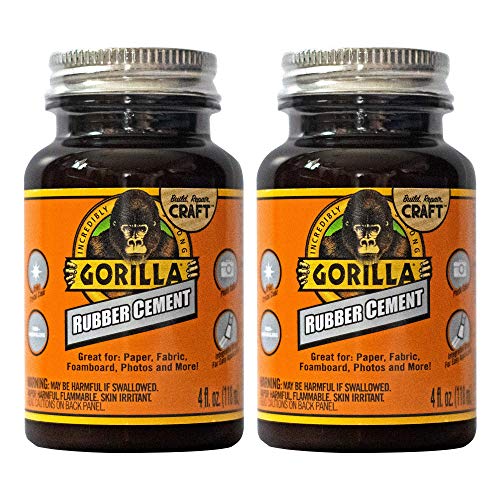
GORILLA Rubber Cement combines ease of use with flexible, rubber-friendly performance. The brush applicator included makes it convenient for arts and crafts, repairs, and general bonding tasks. It is designed to be non-wrinkling and non-yellowing, suitable for projects where appearance matters as well as strength. While not always the heaviest-duty option, it offers a dependable choice for hobbyists and minor repairs requiring a clear, reliable bond on rubber surfaces.
Buying Guide: Key Considerations For Rubber Adhesives
- Bonding surfaces: Identify whether you’re joining rubber to rubber, rubber to plastic, metal, or wood. Some glues excel at all-rubber bonds, while others are optimized for multi-material joints.
- Drying time vs. full cure: Fast-drying formulas allow quick handling, but consider whether you need a longer cure period for maximum strength or environmental resistance.
- Water and heat resistance: If the repaired item is exposed to moisture, humidity, or high temperatures (under-hood areas, outdoor gear), pick a waterproof and heat-resistant adhesive.
- Flexibility and elasticity: Rubber components often experience bending and vibration. Choose adhesives that maintain elasticity after curing to prevent cracks or delamination.
- Application precision: Precision tips, droppers, or anti-clog mechanisms help manage small areas. This is especially important for gaskets, hose joints, or tire patches.
- Clogging prevention: Some products include anti-clog caps or self-cleaning tips to prolong usability in frequent reapplication scenarios.
- Bond strength vs. surface compatibility: Heavier-duty repairs may benefit from high-strength adhesives that tolerate movement, whereas simple cosmetic repairs may suffice with a more forgiving bond.
- Application environment: Consider indoor vs. outdoor use, humidity, and exposure to oils or solvents which can affect adhesion performance.
When evaluating options, balance the need for speed, durability, and ease of use. For automotive and outdoor applications, prioritize water resistance and elasticity. For crafts and indoor repairs, brush applicators and clear finishes may offer practical advantages. Always follow the manufacturer’s instructions for surface preparation and cure times to maximize bond quality.