Best Handheld Belt Sanders for Woodworking: Top Picks
Handheld belt sanders deliver fast material removal and smooth edges for woodworkers, hobbyists, and DIY enthusiasts. The right model balances motor power, belt speed, and versatility for small projects and bench use alike. Below, five highly-capable options are reviewed to help you choose a durable, efficient sander that fits your workflow and budget.
The following quick-reference table highlights the featured products, offering a snapshot of key attributes to compare at a glance.
| Product | Brand | Belt Size | Power | Notable Feature |
|---|---|---|---|---|
| WEN 6321 | WEN | 3″ x 21″ | 7 Amp | Detachable dust bag |
| WEN 6307 | WEN | 1/2″ x 18″ | Variable speed | Auto-tracking belt system |
| WEN HB424V | WEN | 4″ x 24″ | 10 Amp | Benchtop option |
| Makita 9403 | Makita | 4″ x 24″ | High-speed | Low noise and dust protection |
| CRAFTSMAN CMEW213 | CRAFTSMAN | 3″ x 21″ | 7 Amp | Angled belt for close sanding |
WEN 6321 7-Amp Belt Sander
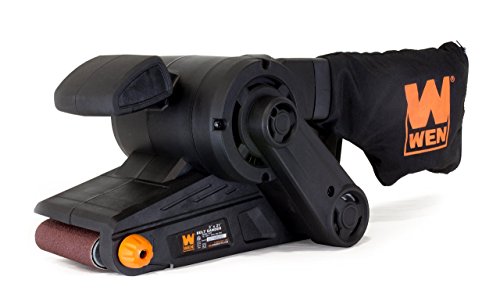
The WEN 6321 combines a 7-amp motor with a 3″ x 21″ belt, delivering robust material removal for doors, table edges, and curved profiles. Its compact six-pound design reduces user fatigue during prolonged use. A detachable dust bag helps minimize cleanup after sanding tasks, contributing to a cleaner workspace.
WEN 6307 Variable Speed Detailing File Sander
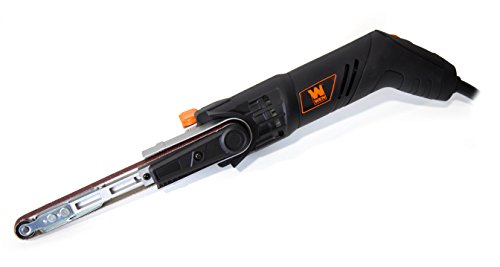
This model uses a 1/2-by-18″ belt with a variable speed dial that ranges from 1080 to 1800 feet per minute. Its auto-tracking belt system eliminates the need for constant tensioning or readjustments. The adjustable tilting head (up to approximately 50 degrees) expands maneuverability for contours and tight corners on furniture and trim projects.
WEN HB424V 4-by-24-Inch Belt Sander

The HB424V is a versatile combination sander that can operate as a handheld unit or be clamped to a bench. A 10-amp variable-speed motor covers a broad range for aggressive stock removal or finer finishing. A lock-on switch provides continuous sanding without holding the trigger, boosting comfort for extended sessions.
Makita 9403 4″ x 24″ Belt Sander

The Makita 9403 emphasizes operator comfort with notably low noise at 84 dB. It uses a 4″ belt with a high speed of 1,640 ft/min to deliver quick material removal. Labyrinth seals protect the motor and bearings from dust and debris, extending tool life in busy workshop environments.
CRAFTSMAN Electric 7 Amp Belt Sander CMEW213

Craftsman CMEW213 features an angled belt design to reach tight joints and near surfaces. It provides a maximum material-removal rate of up to 800 fpm, enhancing efficiency on hardwoods and softwoods alike. Belt changes are simplified with a tool-free release, enabling quick grit swaps during project work.
Buying Guide: Key Purchase Considerations
Motor power and belt size are primary drivers of performance. Larger belts (4″ x 24″ or similar) cover more area and remove material quickly, while 3″ x 21″ belts offer better access to edges and corners. For intricate work, consider models with variable speed to tailor aggressiveness to the material and finish desired.
Versatility matters. Some sanders convert to bench use or include dust-collection adapters and multiple mounting options. A lock-on switch improves comfort on longer tasks, and a tilting head or adjustable angle helps with contours and profiles. Auto-tracking or tension-free belt systems reduce downtime during setup.
Dust management is important for visibility and health. Detachable dust bags are common, but look for models with integrated or compatible vacuum adapters to maintain a cleaner workspace. Also assess noise levels if you work in a shared space.
Durability and longevity come from build quality and protective features. Models with enclosed motors and sealed bearings tend to resist dust ingress. If you will use a belt sander in a benchtop configuration, confirm it includes secure clamping or compatible mounts.
Brand reputation and support can influence long-term satisfaction. The options above span budget-friendly to professional-grade choices, balancing performance with price. Assess the balance of power, speed range, and ergonomics against your typical projects to choose the best value.
When comparing models for a chosen project mix, consider parts availability (belts of standard sizes), spare belt options, and compatibility with existing dust-collection setups. Reading user reviews can provide practical insights into belt life, vibration, and control during aggressive sanding tasks.