Best Smart Door Sensor Guide: Top Picks for 2025
Smart door sensors help you monitor entry points, get real-time alerts, and automate your home security with ease. This guide highlights five reliable options that fit a range of setups—from DIY wireless sensors to Zigbee and WiFi-enabled systems. Each pick is evaluated on installation simplicity, battery life, compatibility, and alerting features to help you choose the best door sensor for your smart home.
Summary of selected products:
- CHAMBERLAIN Smart Garage Control – Wireless Garage Hub and Sensor
- YoLinK LoRa Smart Door Sensor Starter Kit
- THIRDREALITY Zigbee Contact Sensor
- SENCKIT WiFi Door Sensor
- Tapo Door Sensor Starter KIT
CHAMBERLAIN Smart Garage Control – Wireless Sensor
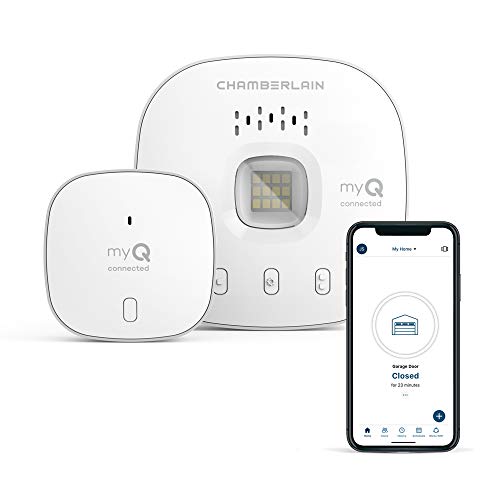
CHAMBERLAIN’s Smart Garage Control combines a garage hub with an integrated door sensor for a complete entry-point monitoring solution. Through the myQ app, users can see the garage status, open or close remotely, and receive notifications. The system works with Amazon Key In-Garage Delivery, expanding package protection for Prime members. The setup emphasizes convenience for monitoring garage access from anywhere, all in a white, compact unit designed to blend with most garages.
YoLinK LoRa Smart Door Sensor Starter Kit

The YoLinK Starter Kit provides a complete entry into smart door sensing with one YoLink Hub and two door sensors. Batteries are preinstalled and rated up to five years, reducing maintenance. The kit supports hundreds of YoLink devices and offers free security via multiple notification methods—SMS, email, and app alerts—without monthly fees. Easy installation is aided by a QR code pairing and simple magnet alignment, making it suitable for homes and small offices seeking long battery life and broad notification options.
THIRDREALITY Zigbee Contact Sensor

The THIRDREALITY Zigbee door sensor is designed for seamless integration with Zigbee hubs and Echo devices with built-in Zigbee. It emphasizes quick setup—discoverable by voice with Alexa—and long battery life, typically around two years. The sensor targets standard doors and windows and notes indoor use with caution on metal surfaces. Compatibility with multiple hubs—SmartThings, Home Assistant, Hubitat, and more—provides flexible integration for existing smart home ecosystems.
SENCKIT WiFi Door Sensor

SENCKIT offers a WiFi-based door sensor that operates without a separate hub. The dual-connectivity approach via Bluetooth and WiFi allows direct setup with a home network, enabling app alerts and status checks through Smart Life or Tuya apps. Voice control compatibility with Alexa and Google Assistant extends hands-free status queries. The kit includes simple mounting options with 3M adhesive, making it suitable for apartments and homes wanting straightforward, gateway-free installation.
Tapo Door Sensor Starter Kit

The Tapo Starter Kit includes three Tapo T110 sensors and a Tapo H100 Hub with a built-in chime. It uses the Sub-G protocol for extended range and longer battery life, and provides real-time notifications via the Tapo app. The kit also supports broader home security use cases like monitoring cabinets and safes, with an audible alarm option for deterrence and a detailed activity history to review door activity.
Buying Guide: Key Considerations For Smart Door Sensors
When selecting a smart door sensor, consider the following factors to ensure the best fit for your home:
- Connectivity: Choose between WiFi, Zigbee, LoRa, or hub-based systems. WiFi sensors are easy to deploy without a hub, while Zigbee and LoRa offer longer battery life and robust mesh networks for larger homes.
- Compatibility: Verify compatibility with your existing ecosystem (Alexa, Google Assistant, SmartThings, Home Assistant, etc.). Some sensors require specific hubs or hubs from the same brand.
- Power and Battery Life: Battery-powered sensors reduce wiring needs, but check expected life (1–5 years) and replacement cost. Some kits bundle preinstalled batteries for convenience.
- Alerts and Notifications: Consider whether you want text messages, app push notifications, emails, or multiple alert paths. Ensure alert latency meets your needs.
- installation ease: Look for QR pairing, magnetic alignment, and adhesive mounting for quick setup. Some products require professional installation for complex hubs.
- Security and Privacy: Review data handling, local vs cloud processing, and how notifications are delivered to prevent spoofing or privacy concerns.
- Range and Environment: Ensure the sensor’s range suits your doors and windows, especially in larger homes or multi-story layouts. Indoor-only notes may apply to some devices.
- Integration Depth: Some sensors offer automation triggers, rules, or scenes, such as arming with other smart devices, unlocking doors when you approach, or turning on lights on entry.
Across these options, users can compare systems that prioritize hub-free setups, Zigbee ecosystems, or all-in-one kits with hubs and chimes. For apartment dwellers, a WiFi-based sensor with straightforward app alerts may be most practical. For larger homes or tech-forward users, a Zigbee or LoRa solution with broad third-party compatibility can provide deeper automation and reliability. Always align sensor placement with door types and the hub’s location to optimize connectivity and alert delivery.