Best Ice Maker Water Line Adapters and Kits for 2026
Find the right adapter or kit to connect an ice maker, fridge water line, or humidifier to your existing plumbing. This guide highlights five well-suited options, explains who they’re best for, and notes practical limitations to consider before buying. Whether you’re installing a new ice maker, expanding a hydration system, or upgrading to lead-free components, these picks provide reliable connections and flexible sizing for common 1/4″ and 3/8″ line configurations. The buyer-friendly comparisons below help you choose with confidence.
| Product | Best For | Key Benefit |
|---|---|---|
| Ice Maker Supply Line and Humidifier Installation Kit | Fridge, Freezer, Humidifier users | Complete kit with quick connect saddle valve and adapters |
| Brass Water Line Adapter Splitter (1/4″-3/8″) | Versatile taps into 3/8″ shut-off valves | Sturdy brass construction, precise sizing |
Ice Maker Supply Line and Humidifier Installation Kit

This kit is best for buyers connecting a refrigerator or freezer to a drinking water line or a humidifier. It uses 1/4″ poly tubing, includes a saddle valve and compression adapters, and is designed to deliver potable water with minimal risk of leakage when installed properly. Ideal for households adding on-door ice/water dispensers or in-freezer ice makers. A potential limitation is the need to confirm compatibility with existing shut-off valves and tubing materials in your setup.
Brass Water Line Adapter Splitter

Best for connecting multiple devices to a single shut-off valve, this brass tee valve supports a 4-way connection with 1/4″ compression outlets. It’s suited for refrigerators, ice makers, RO systems, or coffee machines. It’s a solid choice when durability and safe materials are priorities. A potential limitation is ensuring correct tubing outer diameters for a leak-free seal, as tight tolerances matter with brass fittings.
Fridge Water Line Kit Connector (1/4″-3/8″-3/8″)

Best for flexible connections to an existing angle stop valve, this chrome-coated brass valve offers multiple outlets for ice makers, water filtration, or outlets. It provides a convenient 1/4 turn handle for easy control. Choose this if you need a compact, easy-to-operate splitter that fits typical 3/8″ shut-off valves. Limitation: verify that the 3/8″ and 1/4″ outlets match your device fittings before purchase.
Ice Maker Adapter – 3/4″ MIP x 3/4″ FIP Brass Connector
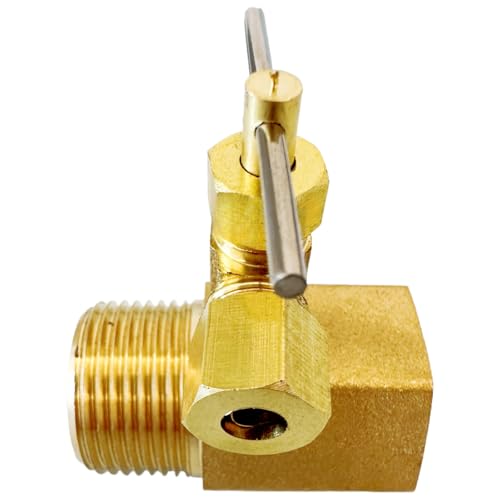
Best for replacing or upgrading an ice maker feed with a brass connector, this 3/4″ MIP to 3/4″ FIP adapter includes a 1/4″ angle needle valve for easy control. It’s well-suited for older or replacement lines where a precise thread match is required. A caveat is ensuring thread compatibility with your existing piping and confirming the unit’s inline valve can regulate flow as needed.
Ice Maker Water Line Kit – 25FT (1/4″ OD)

This kit is ideal for adding a branch waterway to refrigerators and RO systems. It uses food-grade materials, is NSF/ANSI tested, and BPA-free. The self-piercing valve option enables quick installation without extensive tools. Best for DIYers who need a reliable, long 25-foot run with compatibility for standard 1/4″ or 3/8″ outlets. Limitation: ensure your supply line allows piercing without damaging nearby components.
Ice Maker Water Line Kit – 25FT (1/4″ OD) With Quick Fittings

Best for quick-install branch lines to ice makers or drinking water fixtures, this kit emphasizes convenient push-in quick-connect fittings and clear installation instructions. It’s suitable for homeowners seeking a straightforward setup with minimal tools. Limitation: verify that the self-piercing valve is compatible with your pipe material and the installation space.
Buying Guide
What should I consider before buying an ice maker water line adapter?
Focus on compatibility with your tubing (1/4″ vs 3/8″), material safety (lead-free brass or BPA-free plastics), and valve type (saddle valve vs. inline stop valve). Consider whether you need a single outlet or a splitter to feed multiple devices.
Which materials are safest for potable water?
Lead-free brass and BPA-free plastics are preferred. Brass adapters offer durability and leak resistance, while food-grade tubing minimizes taste transfer and contamination risk.
Do I need a self-piercing valve?
Yes, if adding a new water line without shutting off the main supply. Self-piercing saddles can penetrate existing copper or plastic lines, but ensure the valve is rated for your pipe material.
How important are thread sizes and tolerances?
Very important. Incorrect thread sizing can cause leaks. Measure the outer diameter of your tubing and verify the internal thread diameter of fittings before purchasing.
Is a kit or individual adapter better?
A kit is convenient for beginners or multi-device setups, while individual adapters may be preferable for targeted upgrades or replacing a single faulty part. Consider your planned water line layout and future expansion needs.
Which product is best for a simple fridge connection?
Look for a compact brass valve with a 1/4″ or 3/8″ outlet directly compatible with your fridge or ice maker. A braided or poly line with push-in fittings can reduce installation steps and improve reliability.
FAQ
- Which adapter should I choose for a standard 1/4″ ice maker line? Look for 1/4″ compression fittings or 1/4″ OD tubing with push-in quick-connect options for ease of installation.
- Can these adapters work with RO systems? Yes, many adapters are designed to connect to RO faucets or ice makers, provided the thread sizes and outlets match.
- Are these parts safe for drinking water? Choose lead-free brass or food-grade materials and NSF/ANSI-compliant tubing when available.
- Do these kits require tools? Some kits use push-in fittings and self-piercing valves, which minimize tool use; others may need basic wrenches for tightening fittings.
- Will these adapters help if my valve is 3/8″ or 1/2″? Verify the valve outlet size and maintain compatibility with your tubing to ensure a secure seal.
- Is a brass connector better than plastic? Brass typically offers greater durability and leak resistance, especially under higher pressure or frequent use.