Best Adhesives for PVC Sheets: Durable, Quick-Setting Bonding Solutions
Choosing the right adhesive for PVC sheets is essential for long-lasting joints in furniture, signage, or DIY builds. The following selection emphasizes strong, water-resistant bonds, fast set times, and compatibility with PVC and related plastics. Each product has clear application guidelines and is suitable for both hobbyist and professional projects.
The table below highlights five recommended products and their primary strengths to help you compare quickly.
| Product | Brand | Best For | Notable Benefit |
|---|---|---|---|
| Protado Plastic Glue | Protado | General plastic repairs | Dries in 10–30 seconds; precision nozzle |
| HH-66 Toluene Free Vinyl Cement | RH Adhesives | Vinyl interiors and on-the-go jobs | Toluene-free; versatile for vinyl and PVC surfaces |
| PVC Trim Adhesive and Sealant White | Titebond | PVC trim and non-porous-to-non-porous bonding | 2-in-1 adhesive and sealant |
| Titebond PVC Trim Joint Adhesive | Titebond | PVC joints and column wraps | High strength; permanent bond |
| HOOK UP Vinyl Contact Cement | HOOK UP | Vinyl-related repairs and inflatables | Waterproof, fast-drying, strong bond |
Protado Plastic Glue: Heavy Duty White Glue for Plastics

Protado Plastic Glue is positioned as an industrial-grade option for repairing a wide range of plastics, including PVC. Its formula aims to deliver seamless, invisible bonds that restore items to near-original condition. This makes it suitable for toys, models, car parts, and household repairs where appearance matters. The glue claims rapid bonding, with drying times as quick as 10–30 seconds, and a heavy-duty strength designed to handle ABS, PVC, PLA, acrylic, nylon, and other synthetics. A precision nozzle is highlighted to minimize drips and improve control in tight spaces.
Application guidance emphasizes surface cleaning and drying, an even layer of adhesive, and clamping or pressing the pieces for 10–45 seconds. While full cure is recommended over 24 hours, you can achieve a strong initial hold quickly. The combination of fast setup and strong final bond can be advantageous for PVC sheet projects that require quick turnarounds, such as DIY display panels or vent covers. As with all solvent- or solvent-like adhesives, adequate ventilation and proper handling are advised.
RH-66 Toluene Free Vinyl Cement
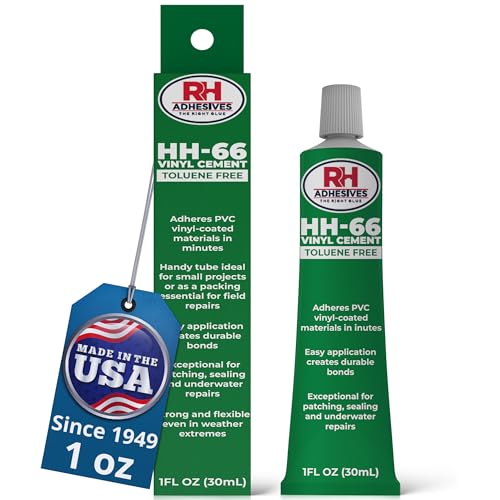
RH Adhesives’ HH-66 vinyl cement emphasizes user safety with a toluene-free formula, making it appealing for smaller or on-the-go vinyl and PVC projects. The adhesive is described as compatible with a wide array of vinyl-related materials, including PVC vinyl, canvas, cork, and various fabrics, as well as glass and wood. This versatility makes it suitable for repairs on inflatables, pool liners, tarps, and other vinyl constructions where a flexible, waterproof bond is beneficial. The absence of toluene reduces odor and exposure risk, which is a consideration during indoor use.
For PVC sheet applications, the product’s fast curing can help with temporary installations or components that need to be weight-bearing soon after assembly. However, long-term exposure to weather or UV should be considered, as with many vinyl adhesives. Reading the full product data sheet can help determine compatibility with specific PVC grades and surface finishes.
Titebond PVC Trim Adhesive and Sealant White

Titebond’s PVC Trim Adhesive and Sealant White is designed to both bond and seal PVC substrates to a variety of surfaces. Its two-in-one formulation focuses on delivering a secure bond while also sealing joints, making it useful for trim installations, baseboards, and outdoor PVC components. The product is positioned to bond non-porous-to-non-porous materials, which is often essential for PVC sheet applications that require a clean, gap-free finish. The combination of bonding and sealing properties can reduce the need for additional caulking in some PVC projects.
Practical considerations include working time, cure rate, and the ability to resist outdoor exposure. The adhesive is intended for non-porous surfaces, so preparing PVC sheets with clean, dry surfaces is key. For intricate joints, the paste-like consistency helps with alignment before curing, but clamping may still be necessary to achieve the best fit in tight channels or joints.
Titebond PVC Trim Joint Adhesive

This Titebond product is specifically marketed for PVC joints and column wrap installations, with a focus on high strength and permanence. It’s positioned as suitable for miter joints, shiplap, and scarf joints in PVC trim work, which makes it a strong consideration for PVC sheet projects used in exterior trim or decorative encladding. The adhesive’s strength and bonding capacity make it appealing for projects where gravity and wind loads might influence the joint over time. As with other PVC-specific products, surface preparation and environmental conditions influence performance and cure times.
HOOK UP Vinyl Contact Cement

HOOK UP’s vinyl contact cement is marketed for waterproof bonding and fast-drying repairs, including pools, inflatables, PVC pipes, tarps, boats, and upholstery. The product highlights a robust bond once cured and a focus on water resistance, making it a practical option for exterior PVC sheet tasks or repairs exposed to moisture. Contact cements typically offer strong initial tack, but accuracy during alignment is crucial since repositioning may be limited once the adhesive begins to set. Adequate ventilation is advised due to solvent content in many contact cements.
Buying Guide: Key Considerations for PVC Sheet Adhesives
- Bonding type: Decide between contact cement versus gap-filling PVC adhesives. Contact cements set quickly and offer strong surface adhesion, while gap-filling formulas provide more tolerance for imperfect joints.
- Environment and exposure: For outdoor PVC sheets or damp environments, choose water-resistant or waterproof formulations with UV resistance to minimize degradation and yellowing.
- Bonding surface preparation: Clean, dry surfaces yield the best results. Degrease plastics, roughen smooth PVC slightly if recommended by the adhesive, and clamp or hold parts during initial sets.
- Set and cure times: Fast-acting adhesives enable rapid assembly, but longer cure times typically yield stronger, more durable bonds. Consider project timelines when selecting.
- Flexibility vs. rigidity: Some adhesives remain slightly flexible after curing, which can be beneficial for PVC sheets that experience movement or temperature shifts. Rigid bonds may crack under stress.
- Safety and ventilation: Many PVC adhesives contain solvents. Use in well-ventilated areas and follow safety data sheet guidelines, especially for enclosed spaces.
- Application precision: Noses and tips that allow for clean, small bead application are valuable for PVC sheet joints or trim work where neat seams matter.
- Surface compatibility: While many products claim PVC compatibility, verify based on your PVC grade (rigid vs. flexible) and any coatings or finishes on the sheet.
When selecting an adhesive for PVC sheet projects, consider the project’s size, exposure, and required joint aesthetics. For trims and non-porous joints, specialized PVC trim adhesives from Titebond offer a strong, long-lasting bond with sealing capabilities. For fast repairs or small assemblies, Protado and HOOK UP provide quick initial sets and strong final bonds. For vinyl-heavy applications, RH Adhesives’ toluene-free option offers a safer alternative, while the American market offers a range of products tailored for outdoor fence or deck PVC components.