Best Alkalinity Increaser for Hot Tubs: Top Picks for Stable Water
If you’re trying to keep your hot tub water balanced and comfortable, an alkalinity increaser is essential. This guide reviews five reliable options that help raise total alkalinity, stabilize pH, and reduce bounce. The products below are suitable for most spa and hot tub setups and cater to different user needs—from casual bathers to seasoned water chemists.
Buyer type overview:
- Casual users seeking simple balance: SpaGuard Total Alkalinity Increaser (2 lb) and SpaChoice 2-Pounds Premium are straightforward and effective.
- Those who want a multi-pack value: SpaGuard Total Alkalinity Increaser (pack of 3) offers bulk value for larger spa owners.
- Newcomers needing reliable, ready-to-use formulas: HTH Spa 86131 and Clorox Pool & Spa Alkalinity Increaser provide familiar packaging and clear usage guidelines.
| Product | Why It’s Recommended |
|---|---|
| SpaGuard Total Alkalinity Increaser (2 lb) | Simple, proven balance; helps prevent corrosion and pH bounce. |
| HTH Spa 86131 Alkalinity Up | Reliable, easy-to-use formula for maintaining comfortable water. |
| AquaDoc Total Alkalinity Increaser | Effective for spas and fresh water balance; supports pH stability. |
| SpaChoice 2-Pounds Premium Alkalinity Up | Cost-effective bulk option with clear dosing guidance. |
| Clorox Pool & Spa Alkalinity Increaser | Widely available; helps reduce pH drift and maintain chlorine effectiveness. |
SpaGuard Total Alkalinity Increaser, 2 lb

Best for dedicated spa owners who want reliable alkalinity control. This formula raises total alkalinity and helps prevent pH bounce, reducing corrosion and irritation in sensitive bathers. Suitable for spas and hot tubs with metals or plaster surfaces that require stable buffering. Caution: over-application can overshoot alkalinity, requiring a follow-up test and adjustment.
HTH Spa 86131 Alkalinity Up
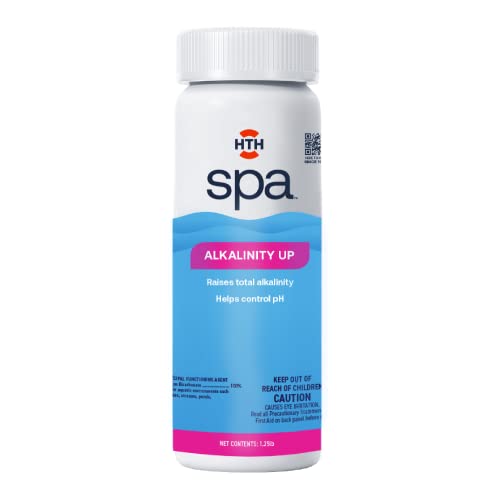
Best for spa owners seeking a straightforward alkalinity boost to stabilize pH. The formula is designed to quickly raise total alkalinity, helping maintain comfortable water and protect against skin and eye irritation. Caution: monitor pH after dosing to avoid overcorrection and ensure balanced chemistry over time.
AquaDoc Total Alkalinity Increaser for Hot Tub
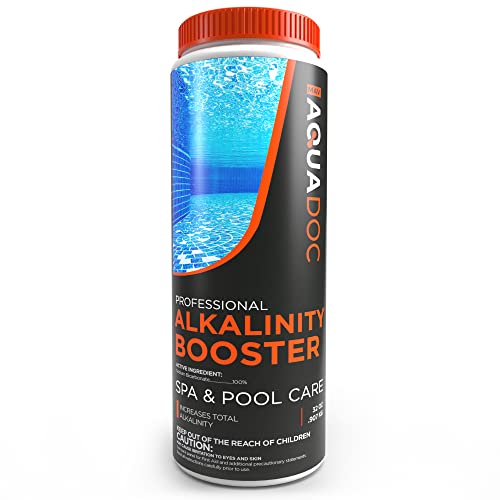
Best for spas that require a reliable alkalinity boost with clear guidance. This product emphasizes preventing corrosion and maintaining comfortable water by raising alkalinity to the recommended range. Caution: follow the labeling for dosage; excessive alkalinity can slow pH adjustment and require additional balancing steps.
SpaChoice 2-Pounds Premium Alkalinity Up
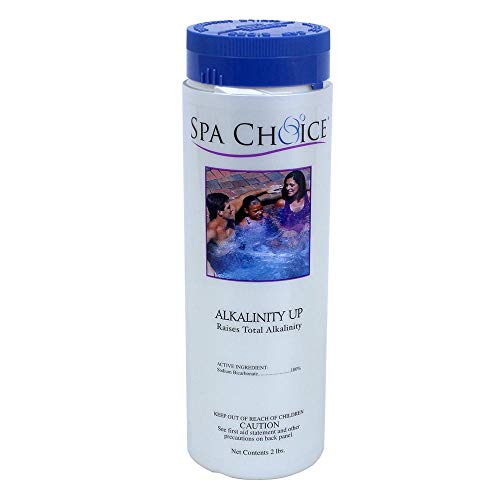
Best for budget-minded spa owners who want a straightforward, 100% sodium bicarbonate option. Dosing guidance specifies adjusting to maintain alkalinity between 80–140 ppm, making it easy to track progress. Limitation: requires frequent testing to maintain the target range as usage varies with bather load and ambient conditions.
Clorox® Pool&Spa™ Alkalinity Increaser

Best for spa types that benefit from a broad-availability brand with clear pH stability benefits. The product helps keep pH in range and supports chlorine effectiveness by reducing drift. Caution: overuse can lead to higher alkalinity than desired, necessitating time for stabilization between tests.
Buying Guide
What should you consider when choosing an alkalinity increaser for your hot tub?
- Formulation: Most options use sodium bicarbonate. Confirm it’s compatible with your spa’s materials (plaster, vinyl, metal).
- Packaging size: If you have a large spa or multiple systems, a multi-pack may offer better value and fewer restocks.
- Dosing guidance: Look for clear dosing instructions and test intervals to maintain 80–140 ppm total alkalinity.
- Ease of use: Some products offer simple pre-measured scoops or easy-dissolve formulas to reduce guesswork.
- Effect on pH: Alkalinity up affects pH stability; plan for occasional pH adjustments as alkalinity rises.
- Maintenance approach: Pair alkalinity increasers with regular test kits (or strips) to keep water balanced and comfortable.
Practical questions for buyers
- How quickly will my alkalinity rise after dosing? Most products show results within hours, but test after 24 hours for accuracy.
- Should I adjust pH after increasing alkalinity? Yes, pH shifting often accompanies alkalinity changes; rebalance as needed.
- Can I use more than one product at once? It’s best to stick to one product at a time and retest before adding another.
- Is this safe for skin and eyes? When used as directed and properly balanced, spa water should be comfortable; discontinue use if irritation occurs.
- Are these products compatible with all sanitizers? Most are compatible with common sanitizers, but always verify with your spa’s chemical plan.
- Do I need a professional test kit? A reliable test kit or digital tester helps maintain precise ranges and reduces guesswork.
Recommended quick-start kit set (summary)
- SpaGuard Total Alkalinity Increaser (2 lb) — best for dedicated spas seeking dependable balance.
- HTH Spa 86131 Alkalinity Up — best for quick, straightforward alkalinity boosts.
- AquaDoc Total Alkalinity Increaser — best for clear guidance and multi-use balance needs.
- SpaChoice 2-Pounds Premium — best for budget-conscious, frequent balancing.
- Clorox Pool & Spa Alkalinity Increaser — best for widely available branding and chlorine-forward maintenance.
Frequently asked questions
- What is total alkalinity, and why is it important for a hot tub? Total alkalinity measures the water’s buffering capacity, helping stabilize pH and protect against rapid changes that can irritate skin and eyes and damage equipment.
- How do I know if alkalinity is too low? Signs include frequent pH drift, cloudy water, and corrosion risk to metal components.
- What is the ideal alkalinity range for most hot tubs? A typical target range is 80–140 ppm, depending on your spa and sanitizer type.
- Can alkalinity be raised too high? Yes. High alkalinity can make pH harder to adjust; retest and slowly bring it back toward the target range.
- How often should I test spa water? Test after every major chemical addition and at least once per week under normal use.
- What’s the best order for balancing water? Test alkalinity first, then adjust pH if needed, then sanitize and shock as required.