Best Aluminum Forms for Concrete: Top Picks for Strong, Precise Formwork
Best aluminum forms for concrete provide consistent wall thickness, precise alignment, and reusable performance for both professional contractors and serious DIY builders. This guide highlights five select products that balance strength, versatility, and ease of use. Each choice is explained with who it’s best for, what makes it stand out, and practical cautions to consider before purchasing.
Buyer types addressed: general contractors seeking fast-form setups; residential builders doing foundations or decorative pours; and DIY enthusiasts needing durable, reusable forms. The table below summarizes the five featured products and their core strengths.
| Product | Best For | Why It Stands Out |
|---|---|---|
| Sandbaggy Full Aluminum Form Ties with Round Ends (175, 8 inch) | 8″ concrete walls; mid-to-large projects | High ultimate load (7,500 lb) and 2:1 safety factor for dependable form integrity |
| Sandbaggy Round Head Aluminum Form Pin (50) | Secure aluminum formwork | Heat-treated steel for strength; versatile with ties and wedges |
| Akona Concrete Form Release (1 Gallon) | Various forming materials; quick release | Non-sticky, non-staining finish; easy to apply |
| Plastic Flex Forms for Concrete Flatwork & Curbs (Set of 4) | Curved edges and custom shapes | Flexible, reusable, easy to bend and set |
| Sandbaggy Aluminum Form Waler Bracket (15 Count) | Panel attachment and alignment support | Dual-hole design for versatile surfaces and quick mounting |
Sandbaggy Full Aluminum Form Ties with Round Ends

Product type: Full wall ties with round ends for 8″ concrete walls. Distance between holes: 8″ (hole diameter 5/8″).
Best for: Projects requiring precise 8″ wall thickness and strong, dependable form ties. The 7,500 lb ultimate load and a 2:1 safety factor support robust constructions with a stable form.
Why chosen: This option provides construction-grade strength and reliable performance for typical 8″ wall pours, making it a solid choice for masonry and foundation walls.
Caution: Ensure alignment accuracy to prevent gaps; the heavy load means handling safety during tying and stripping.
Sandbaggy Round Head Aluminum Form Pin
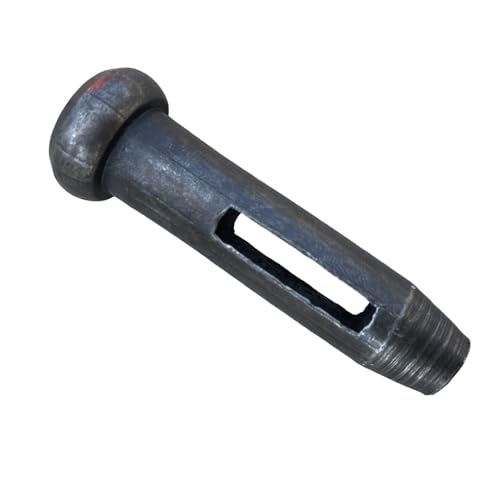
Product type: Concrete formwork wedge pins; heat-treated steel for extra strength; reusable.
Best for: Secure aluminum formwork with reliable pin-and-wedge connections. Compatible with multiple ties and wedges for versatile setups.
Why chosen: The pins’ heat-treated construction provides durable engagement for repeated pours, making them well-suited to ongoing formwork projects.
Caution: Verify pin size compatibility with your specific ties and wedges to avoid fit issues on uncommon form panels.
Akona Concrete Form Release
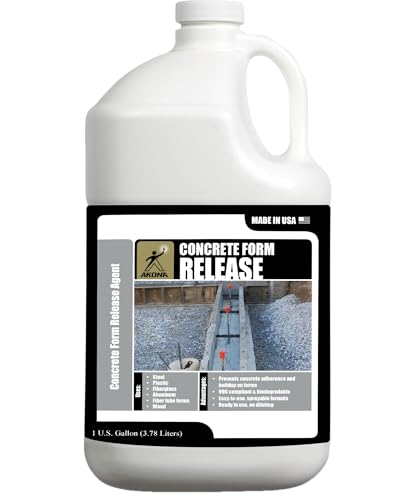
Product type: Liquid release agent for forms, tubes, stamps, and molds; non-stick and non-staining.
Best for: Any forming surface including plywood, fiberglass, aluminum, and urethane forms. Ideal when a clean, smooth surface finish is desired after form removal.
Why chosen: Its ready-to-use formula simplifies application and reduces the risk of concrete sticking to forms, supporting faster turnover between pours.
Caution: Apply evenly to avoid residue buildup; use in a well-ventilated area as a precaution during spraying or pouring.
Plastic Flex Forms for Concrete Flatwork & Curbs

Product type: Flexible plastic forming guides for curved edges, curbs, patios, and walkways; set of 4 pieces.
Best for: Curved and irregular layouts requiring consistent shape with minimal fatigue on crews. Durable enough for repeated use.
Why chosen: Flexibility and reusability make these forms a good option for projects needing contouring without expensive metal tooling.
Caution: Plastic forms can soften under high heat or very thick pours; ensure adequate support to prevent warping during concrete placement.
Sandbaggy Aluminum Form Waler Bracket

Product type: Aluminum form waler bracket with dual-hole design; 2″ W x 6″ L (15 count).
Best for: Direct panel attachment and alignment across multiple forming scenarios, including residential and commercial projects.
Why chosen: The dual-hole design and quick-mount capability help maintain consistent form spacing and structural alignment during curing.
Caution: Check compatibility with your existing form panels and ensure hole spacing aligns with your wall or panel design.
Buying Guide: Key Considerations For Aluminum Formwork
What are the most important factors when choosing aluminum formwork components?
- Wall thickness and load requirements: Select ties and pins that meet or exceed the intended 8″ wall specs and expected loads.
- Compatibility: Verify that pins, wedges, and brackets fit your existing form panels and ties; mismatches can lead to ineffective connections.
- Durability and reuse: Heat-treated steel and high-grade aluminum parts offer longer service life for repeated pours.
- Ease of use: Look for components that simplify setup, alignment, and stripping without sacrificing strength.
- Release and finish: A good form release agent reduces sticking and keeps concrete surfaces smooth, influencing finish quality.
- Curved vs flat applications: Flexible forms excel for curves, while rigid components provide precise flat walls. Consider project needs.
- Safety considerations: Heavier ties and brackets require proper handling and PPE during assembly and removal.
Practical Purchasing Questions
- Which product best suits small, DIY projects vs professional-scale builds? Consider the combination of flexibility, ease of use, and load ratings to align with project size.
- Do you need reusable components for multiple pours, or a single-build solution? Reusable items like pins, wedges, and waler brackets offer value over time.
- How important is surface finish after form removal? A high-quality release product helps produce a cleaner concrete surface.
- Are you forming curved edges, straight walls, or both? Flexible forms handle curves; rigid ties and pins support straight-wall builds.
Frequently Asked Questions
- Q: What is the typical load rating for aluminum form ties? A: Many heavy-duty ties are rated for thousands of pounds of ultimate load, with safety factors for design use.
- Q: Can form pins be reused after a concrete pour? A: Yes, pins that are heat-treated and undamaged can be reused, depending on the project conditions.
- Q: Do I need a separate release agent for every pour? A: A reliable form release agent reduces sticking and improves finish; reapplication may be needed after cleaning.
- Q: Are curved wedges compatible with all form brands? A: Compatibility varies by brand; check wedge geometry and hole patterns for fit.
- Q: How do I choose between plastic and metal forms? A: Plastic forms are great for curved or temporary contours and lower-cost projects; metal forms offer higher durability and precise, long-term reuse.