Best Anti Fatigue Mats for the Garage: Comfort, Durability and Ergonomics
Choosing the right anti-fatigue mat for a garage workspace can help reduce foot, knee, and back discomfort during long projects. The following selections focus on heavy-duty use, resilient materials, and slip resistance to handle oil, grease, and outdoor grime. Each product below is designed to cushion standing tasks, whether you’re wiring, painting, or simply organizing tools. The list includes mats with memory foam and energy-return foam cores, rugged surface skins, and reliable non-slip backs to keep you safe on concrete floors.
| Product | Core Benefit | Size (approx) | Best For |
|---|---|---|---|
| FEATOL Anti Fatigue Mat Industrial | 9/10-inch memory foam for cushioning | 20″ x 39″ | General garage and DIY tasks |
| GelPro Commercial Grade Garage Mat | 3/4-inch high-density foam for lasting comfort | 20″ x 32″ | Heavy use workshops |
| NewLife by GelPro Anti-Fatigue | 1/2-inch Ergo-Foam for easy movement | 20″ x 72″ | Long-standing shop benches |
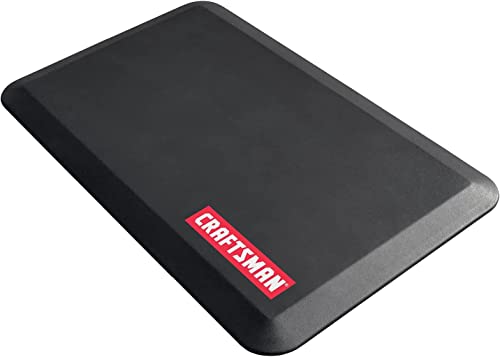
| Craftsman Anti-Fatigue Garage Mat | 3/4-inch polyurethane for durability | 20″ x 72″ | Garage projects and repair work |
| YOSHIKO Anti-Fatigue Mat (2 Pack) | Drainage-focused rubber with non-slip surface | 36″ x 60″ (per mat) | High-traffic entryways and work areas |
FEATOL Anti Fatigue Mat Industrial

The FEATOL mat uses a 9/10 inch high-density memory foam to deliver cushioning that reduces stress on feet, knees, and the lower back during prolonged standing. It’s marketed as versatile for garage repairs, factory work, and kitchen or laundry tasks, with a PU leather top that resists punctures and tearing for long-term use. The surface is designed to retain shape and offer a stable, non-cracking top layer under industrial conditions.
GelPro Commercial Grade Garage Mat
The GelPro mat features a 3/4-inch high-density polyurethane foam core designed to prevent foot, leg, and back discomfort in busy garages, workshops, and utility rooms. Its one-piece construction with an integral skin provides durability against heavy traffic and chemical exposure, while the surface remains water- and stain-resistant for easy maintenance. This mat is built to “return energy” rather than flatten over time, maintaining a consistent feel at the workstation.
NewLife by GelPro Anti-Fatigue Mat

The NewLife by GelPro mat uses a 1/2-inch polyurethane Ergo-Foam designed to resist bottoming out and provide durable support for long-standing tasks. Its non-slip backing and high-traction top keep the mat stable on hard floors, while being easy to wipe clean. The mat’s lighter weight makes it portable for moving between workstations or compact garages where space is at a premium.
Craftsman Anti-Fatigue Garage Mat

Craftsman offers a 3/4-inch polyurethane foam core designed for long-term standing comfort in garages and workshops. The mat emphasizes energy return to avoid bottoming out under heavy loads, while the surface is easy to clean and resistant to spills. It’s suitable for people who spend extended periods at workbenches, tool chests, or painting stations in the garage.
YOSHIKO Anti Fatigue Rubber Mat (2 Pack)

This two-pack rubber mat set emphasizes drainage holes and anti-slip properties, designed to handle grease, oils, and water in high-traffic garage environments. The heavy-duty rubber improves stability and reduces the likelihood of slips on wet surfaces, making it suitable as an entry mat, kitchen mat, or utility garage floor covering in busy spaces.
Buying Guide: Key Purchase Considerations
- Thickness and foam type: Thicker mats (3/4 inch to 1 inch) with energy-return or memory foam offer greater cushioning for prolonged standing, while thinner mats are easier to move and clean.
- Surface and backing: A textured top helps resist slipping; a non-slip backing keeps the mat in place on smooth concrete. Look for surfaces resistant to punctures, stains, and oil exposure for garage use.
- Durability and cleaning: Mats with a durable top skin or polyurethane core resist tearing and staining. Consider ease of cleaning when garages encounter oil spills or dirt.
- Size and layout: For larger work areas, longer mats reduce fatigue along a bench line. If space is limited, 20″–32″ widths are typically easier to position.
- Mobility and storage: Consider whether you want a heavier, more permanent mat or a lighter mat that’s easy to move between stations or take outdoors.
- Media compatibility: If you work with chemicals or solvents, verify that the mat’s materials resist degradation and won’t emit odors under garage conditions.
- Safety features: Look for non-slip edges or beveled edges to prevent tripping, especially near doorway transitions or tool areas.
In evaluating these options, consider how you structure your garage tasks: occasional repairs may do well with lighter, easily movable mats, while a full-time workshop setup benefits from thicker, more durable cores designed for heavy labor and prolonged standing. The selected products provide a range of densities, sizes, and surface designs to accommodate different workflows and floor conditions.