Best Attic Insulation for Cold Climates: Top Options for Efficiency
Choosing the right attic insulation can significantly reduce heat loss in cold climates, improve indoor comfort, and lower energy bills. The following products are selected for their radiant barrier performance, vapor control, and ease of installation. This guide compares key features to help homeowners decide which solution best fits their attic design and climate needs.
Product Quick Reference
- SmartSHIELD -5mm 48″ x 50ft Reflective Foam Core Insulation Roll — Radiant barrier, vapor and sound barrier with R-value up to 15.67.
- Attic Stairway Insulation Cover (DGSL) — Attic door tent with reflective foil and bubble insulation, seals attic stairs up to 25″ x 54″ x 11″.
- SmartSHIELD -3mm 48″ x 10ft Reflective Insulation Roll — Foam core radiant barrier with dual-sided foil.
- SmartSHIELD -20mm 48″ x 25ft Reflective Insulation Roll — High R-value, multi-layered foil with vapor barrier.
- LEMOONE Attic Door Insulation Cover — 25″ x 54″ x 11″ with zipper, aluminum foil and insulation for year-round energy savings.
SmartSHIELD -5mm Radiant Barrier Insulation Roll
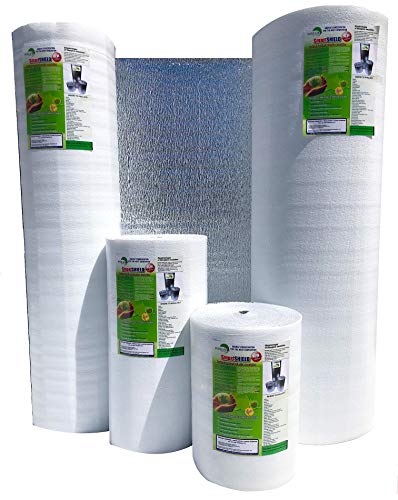
This 5mm foam core insulation roll combines a reflective foil facing with a white film finish, delivering a dual role: radiant energy reflection and air sealing. Marketed as an all-in-one solution, it claims up to R-15.67 with a single layer, reflecting up to 95% of radiant energy. The product functions as an insulated barrier, radiant barrier, vapor barrier, and even a sound barrier, which can simplify attic retrofits where multiple layers were previously required. The clean white appearance also minimizes visible impact in exposed attic spaces and reduces painting needs.
Key considerations for this option include installation ease and compatibility with existing attic openings. The higher R-value potential per layer can be advantageous in very cold climates, but users should assess the overall attic ventilation and local building codes to ensure the product aligns with moisture control requirements. The product’s broad barrier properties may appeal to homeowners seeking a streamlined retrofit with fewer components.
Attic Stairway Insulation Cover by DGSL

The DGSL Attic Stairway Insulation Cover is designed to seal attic doors and pull-down stairs, preventing drafts throughout the year. It uses premium foil bubble insulation inside a durable outer layer and is reported to reflect up to 97% of radiant heat, with an R-value around 14. The size accommodates openings up to 25″ x 54″ x 11″, making it suitable for standard attic stair configurations. The solution helps minimize dust entry and moisture infiltration by creating a weather-tight barrier at the attic entry.
From a practicality perspective, the DGSL cover emphasizes ease of installation and year-round energy savings. Homeowners should consider durability under frequent use, zipper or seal integrity over time, and fit for non-standard attic door dimensions. It is a strong option for retrofits where attic access space is a major source of heat leakage yet an accessible seal is required.
SmartSHIELD -3mm 48in x 10ft Reflective Insulation Roll
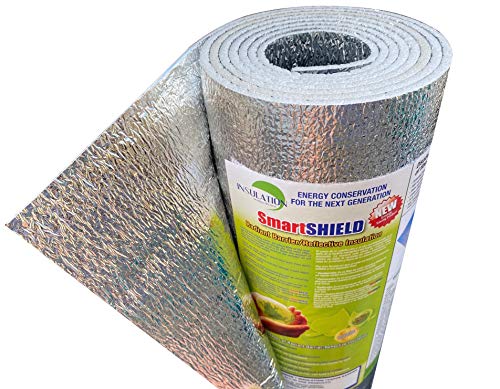
This 3mm foam-core reflective insulation provides a compact, lightweight option with a dual-layer engineered foil on both sides. The product is described as easy to install and easy to cut, making it suitable for tight attic spaces or DIY retrofits where space constraints or precise shaping are needed. It acts as a radiant barrier while offering a vapor barrier component, helping to reduce indoor moisture migration or condensation under certain conditions.
Considerations for this option include its thinner profile versus higher-R-value models; it may pair well with existing insulation to enhance radiant protection without adding bulk. It is most effective when installed across larger roof or attic exposures where reflective surfaces can directly face radiant heat sources. For colder regions, it can be used as part of a multi-layer strategy to boost overall thermal resistance.
SmartSHIELD -20mm Reflective Insulation Roll

This product offers substantial thickness at 20mm, delivering a high R-value potential of up to 23 with a single layer and up to 29 with two layers. It combines a foam-core and vapor barrier with a highly reflective aluminum foil surface. The insulation is engineered to meet or exceed relevant ASTM standards and includes a protective coating that contributes to corrosion resistance. The multi-layer design aims to minimize heat transfer while supporting moisture control and fire safety ratings for applications in cold climates where long-term performance matters.
When evaluating this option, homeowners should weigh the increased thickness against attic height constraints and installation practicality. While the higher R-value is appealing for severe winter conditions, the presence of a vapor barrier can influence moisture dynamics in the attic. It’s advisable to consult building codes and consider potential interactions with existing insulation to optimize overall energy performance.
LEMOONE Attic Door Insulation Cover
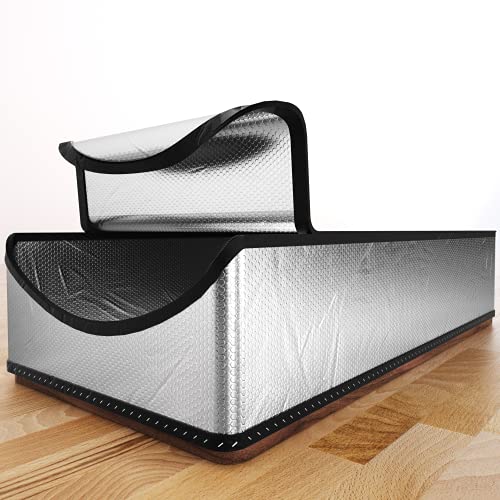
The LEMOONE Attic Door Insulation Cover is designed to seal attic access points, featuring a 25″ x 54″ x 11″ size with aluminum foil and insulation layers. The product emphasizes year-round energy savings by blocking air exchange between living spaces and the attic. It highlights quick installation, with a simple unfold-insert-fit process, and a zipper feature for easy access. The insulation system is intended to reduce moisture issues and enhance HVAC efficiency by maintaining more consistent attic temperatures and minimizing heat loss through the attic door.
Key considerations include fit for standard attic doors, durability of the zipper and seams, and how well the unit integrates with other attic insulation layers. For homeowners seeking a dedicated attic door solution that prioritizes ease of use and consistent energy performance, this product offers a practical approach to sealing the attic entry without major remodeling.
Buying Guide: Key Purchase Considerations
- R-value and energy goals: Many attic insulation products emphasize radiant barrier performance and moderate-to-high R-values. In extremely cold climates, combining radiant barriers with higher R-value insulation can yield better long-term energy savings.
- Moisture management: Vapor barriers and moisture resistance help prevent condensation and mold growth. Choose products that align with local humidity levels and existing ventilation schemes in the attic.
- Attic opening size and accessibility: Insulation covers for attic doors or stairs must fit the opening precisely to seal effectively. Zippers, fasteners, and seal edges influence long-term performance and usability.
- Installation effort and DIY readiness: Some products are designed for quick, do-it-yourself installation, while others may require more detailed planning or professional assistance, especially for multi-layer configurations.
- Ventilation compatibility: Radiant barriers can improve energy efficiency but should not obstruct attic venting. Ensure that any added barrier work preserves or enhances proper attic ventilation.
- Durability and durability under temperature swings: Materials exposed to attic temperatures can expand/contract. Look for reinforced edges, sturdy foams, and corrosion-resistant foils for longevity.
- Code compliance and fire safety: Some products meet specific ASTM standards or fire ratings. Check local building codes to ensure compatibility with your climate and home type.
- Cost and long-term savings: While some options carry higher upfront costs, the integrated benefits of radiant barrier and vapor control can reduce utility bills over time. Weigh installation costs against projected energy savings.
In sum, selecting attic insulation for cold climates involves balancing radiant barrier performance, vapor control, installation practicality, and compatibility with existing attic architecture. The listed products present a range of thicknesses, barrier configurations, and installation styles to accommodate different retrofit scenarios and home layouts. Consumers should evaluate their attic depth, door or stair access, moisture risk, and local climate to choose the most effective combination for year-round comfort.