Best Baseboard Heater Thermostats for 120–240V: Smart, Manual, and Reliable Picks
Choosing the right baseboard heater thermostat can improve comfort and cut energy use. This guide highlights five top options that cover smart, programmable, and manual controls for 120–240V electric baseboards. Each product section outlines compatibility, installation notes, and key features to help you compare at a glance. A concise buying guide follows with practical purchase considerations for different home setups and priorities.
| Product | Brand | Voltage/Compatibility | Smart Features |
|---|---|---|---|
| Mysa Smart Thermostat LITE | Mysa | 120V–240V | Wi-Fi, HomeKit, Alexa, Google, Scheduling |
| Mysa Smart Thermostat | Mysa | 240V | Remote control, alerts, adaptive brightness |
| Cadet F Series BTF2W | Cadet | 120/208/240V | Built-in, double-pole, simple knob control |
| Honeywell CT410B | Honeywell Home | 120–240V | Manual, four-wire, basic control |
| Meross Smart Thermostat | Meross | 120–240V | Wi-Fi, HomeKit, Alexa, Google, 4-wire install |
Mysa Smart Thermostat LITE for Line Voltage Heaters
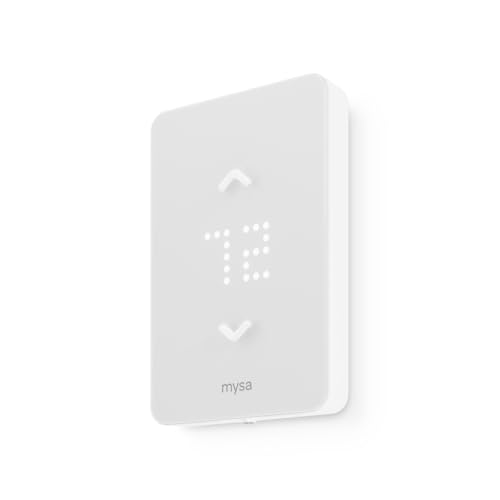
The Mysa LITE is a line voltage thermostat designed for 120V–240V electric baseboard and related heaters. It provides Wi-Fi control and scheduling without subscription costs. Notable features include energy-conscious scheduling, away-mode reductions, and a free app with remote access and energy reports. The device supports popular smart ecosystems, enabling voice or app-based temperature adjustments. Installation requires a four-wire configuration with a neutral or second live wire for proper operation.
Mysa Smart Thermostat for 240V Baseboards

This Mysa model targets 240V baseboard systems and emphasizes a 100% free app, functional remote control, and HomeKit/Alexa/Google compatibility. It supports environmental data such as temperature and humidity alerts and requires at least four wires with a neutral for proper operation. It’s designed for higher power loads (up to 3800W at 240V) and warns about compatibility with older or two-wire setups before purchase.
Cadet F Series Double Pole Built-In BTF2W Thermostat

This Cadet BTF2W thermostat is designed for Cadet F series baseboard heaters. It features a large dial for easy temperature adjustment and supports 120/208/240V installations. The unit mounts at either end of the baseboard, reducing wiring complexity. It is a practical option when a simple, reliable, non-programmable control is desired and when compatibility with Cadet baseboard units is essential.
Honeywell Home CT410B Manual 4-Wire Baseboard Thermostat
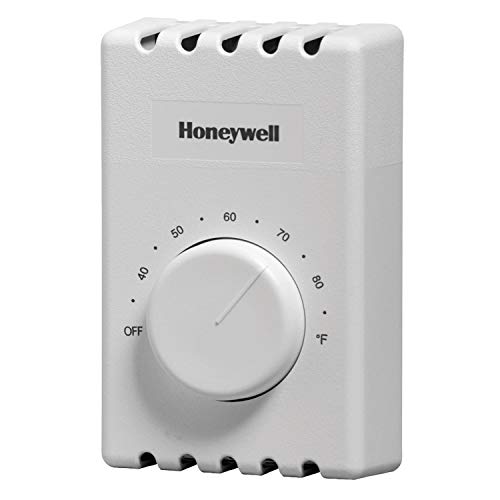
This manual, line-voltage controller covers 120–240V and is compatible with baseboard, convector, and non-inductive fan-forced heaters. The bimetal temperature sensor offers straightforward operation without smart features. It’s a dependable choice for those who prefer simple, hands-on control and robust, universal compatibility across common baseboard setups.
Cadet F Series 48″ Electric Baseboard Heater
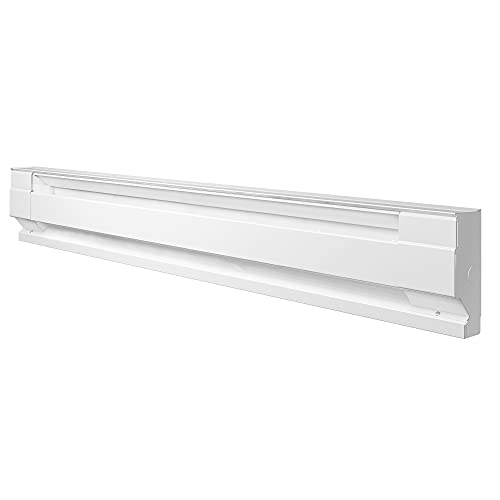
Note: This item is a heater and is included to illustrate typical baseboard compatibility with thermostats like Cadet F Series controls. It features robust metal construction and safety-oriented design. Install requires a matching thermostat compatible with Cadet F series heaters. The pairing emphasizes reliable, room-filling warmth with straightforward wiring and mounting options.
Meross Smart Thermostat for Electric Baseboards

The Meross thermostat is designed for 120–240V systems and supports high-voltage loads with a four-wire installation. It integrates with Apple HomeKit, Alexa, and Google Home, offering voice control and remote management. It emphasizes energy-saving scheduling and smartphone control, with clear installation guidance and compatibility notes for higher voltage setups.
Buying Guide: Key Considerations for Baseboard Thermostats
- Voltage and compatibility: Ensure the thermostat supports your baseboard system’s voltage (120V, 208V, or 240V) and wiring configuration (four-wire with neutral or second line).
- Control type: Choose between manual, programmable, or smart thermostats based on desired automation, remote access, and energy savings.
- Smart ecosystem: If you use HomeKit, Alexa, or Google Home, prefer models with full ecosystem support for voice control and scenes.
- Installation complexity: Some units require professional wiring or a specific wiring setup; others offer simple, DIY-friendly installation.
- Power handling: Verify load capacity (in watts) aligns with your heater’s requirements to prevent overloads.
- Display and usability: Consider adaptive brightness, display readability, and ease of temperature adjustment in daily use.
- Reliability and safety: Look for built-in safety features (overheat protection, tip-over shutoff) and robust build quality.
- Cost of ownership: Smart models may save energy over time but check app costs, subscription terms (none in these products), and local energy pricing.
- Future-proofing: If you plan to upgrade other smart devices, pick a thermostat with ongoing software updates and broad compatibility.
Choosing among the options depends on whether you prioritize smart features and remote control, budget simplicity, or a robust manual control with wide compatibility. For smart setups, Mysa and Meross provide strong app and assistant integration. For reliable manual control, Cadet and Honeywell CT410B offer proven performance. Always confirm wiring requirements and heater compatibility before purchase to ensure optimal performance and safety.