Best Battery for Solar Gate Opener Top Picks for 2025
Selecting the right battery for a solar gate opener ensures reliable operation, long life, and minimal maintenance. This guide highlights five strong options, spanning sealed lead-acid and LiFePO4 chemistries, to help you choose based on cycle life, safety, and compatibility with solar charging setups. Each option is paired with its key features and practical considerations for installation and use in residential gates.
Summary of Selected Products
| Product | Brand | Chemistry / Type | Key Strength |
|---|---|---|---|
| Mighty Mule Gate Opener Replacement Battery Pack (2-Pack) | Vici | 12V 7Ah SLA | Genuine VICI AGM tech; maintenance-free |
| 2025 New Upgraded Steel Battery Box Kit (2 Batteries) | CINVEI | 12V 7Ah Lead-Acid | Kit with box, wiring, and hardware; UL recognized |
| NERMAK 12V 10Ah LiFePO4 Deep Cycle Battery | NERMAK | LiFePO4 | Up to 2000+ cycles; built-in BMS |
| Mighty Max Battery 12V 7.2Ah SLA (2-Pack) | Mighty Max Battery | 12V SLA | UL Certified; wide operating temperatures |
| 12V 9Ah LiFePO4 Battery with 15A BMS | HWE | LiFePO4 | Long cycle life; robust BMS; safe chemistry |
Mighty Mule Gate Opener Replacement Battery Pack by VICI

The Mighty Mule replacement battery pack consists of two 12V 7Ah sealed lead acid (SLA) batteries from VICI, designed for sealed, maintenance-free operation. Dimensions are 5.95 x 2.56 x 3.7 inches with F1 terminals. This listing provides the battery cells only, excluding any wiring harness or mounting hardware. The AGM construction stores electrolyte in a fiberglass mat, delivering spill-proof performance and safe operation in various orientations. This option suits solar gate setups where a reliable, maintenance-free SLA replacement is desired and compatibility with existing Mighty Mule hardware is needed.
CINVEI 2025 Battery Box Kit with 2 Batteries

This kit includes a battery box with wiring harness, sliding lid, two 12V 7Ah lead-acid batteries, screws, locks, and labels. The batteries are UL recognized, and the ABT2 box supports 12/24V configurations (series or parallel) compatible with 12/24V gate openers. It is a comprehensive option for those who prefer an integrated enclosure and a ready-to-install power solution for solar-powered gates, providing a reliable baseline for moderate gate loads.
NERMAK 12V 10Ah LiFePO4 Deep Cycle Battery

This LiFePO4 battery offers higher energy density and longer cycle life, with built-in BMS protection against overcharge, over-discharge, over-current, and short circuits. It emphasizes safety, low self-discharge, and maintenance-free storage for up to a year. It suits solar gate systems that require a longer life per charge and a sturdier safety profile than traditional lead-acid options.
Mighty Max Battery 12V 7.2Ah SLA Kit
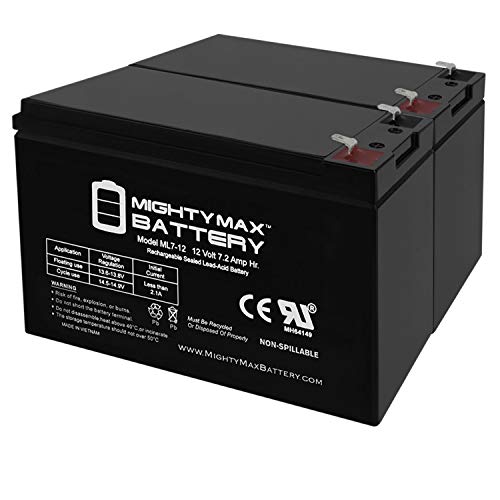
The Mighty Max Battery pack provides two 12V 7.2Ah SLA cells, designed for high discharge rates and reliable performance across a wide temperature range. The SLA/AGM format is spill-proof, with F1 terminals, and is presented as a battery-only offering with no extra wiring or mounting accessories. This option is well-suited for cost-conscious setups that need straightforward, replaceable cells for gate opener systems.
HWE 12V LiFePO4 9Ah Battery with 15A BMS

This 12V 9Ah LiFePO4 battery features a robust 15A BMS and UN-approved safety testing. It emphasizes long-life cycles and safety against short circuits and overheating. The LiFePO4 chemistry provides a lighter, more compact option with lasting performance for gate openers that are frequently used, especially in solar-powered installations where weight and reliability are important factors.
Buying Guide: Key Purchase Considerations
There are several angles to consider when choosing a battery for a solar gate opener. First, assess your gate’s load, cycle frequency, and climate. SLA batteries are affordable and robust in moderate climates but have shorter cycle life and heavier weight compared to LiFePO4. LiFePO4 offers longer life, higher safety margins, and lighter weight, but at a higher upfront cost. A built-in Battery Management System (BMS) is highly beneficial for LiFePO4 to protect against overcharge and deep discharge, particularly in solar setups where charging and discharging cycles vary with weather.
- Battery chemistry: Lead-Acid (SLA/AGM) vs LiFePO4. Evaluate lifetime cost, weight, and maintenance needs.
- Cycle life: Higher cycles translate to longer service intervals between replacements, especially for frequent gate use.
- Voltage compatibility: Ensure the battery outputs match the gate opener’s required voltage (commonly 12V).
- Physical dimensions and terminals: Confirm fit in the mounting space and compatibility with existing connectors (F1 terminals commonly used).
- Safety and certifications: UL recognition and BMS features add reliability and protection in outdoor installations.
- Solar compatibility: For LiFePO4, check for a compatible BMS and consider ensuring the solar panel and charge controller can efficiently manage the battery’s charge profile.
For best results, select a kit or battery with a compatible enclosure or mounting hardware if you prefer a tidier, integrated setup. If you frequently operate in remote or outage-prone locations, LiFePO4 with a strong BMS and longer cycle life can reduce maintenance visits and extend overall system reliability.