Best Blade for Cutting Asphalt: Top Diamond Blades for Faster, Cleaner Jobs
Choosing the right diamond blade for asphalt cuts can dramatically improve cutting speed, dust control, and blade life. The following five blades are well-regarded options for asphalt, green concrete, masonry, and similar materials. Each section highlights key features, typical applications, and what to consider when selecting a blade for your saw. This guide compares performance factors like segment height, cooling design, and cutting depth to help you pick the best blade for your project.
| Product | Brand | Diameter | Recommended Use |
|---|---|---|---|
| Delta Diamond Kick-Asphalt | Delta Diamond | 7″ | Asphalt, green concrete, masonry blocks |
| ALSKAR Diamond Heatwave | ALSKAR Diamond | 14″ | Dry cutting asphalt and similar materials |
| EDiamondTools All-Purpose 16″ | EDiamondTools | 16″ | Hard/reinforced concrete, asphalt, granite, terrazzo |
| DEWALT 9-Inch Asphalt/Concrete | Dewalt | 9″ | Asphalt and green concrete |
| Inwell 14″ Diamond Blade | Inwell | 14″ | Asphalt and concrete cutting |
Across these options, the common strengths include segmented design for heat management, robust diamond matrix, and compatibility with both wet and dry cutting where noted. When selecting, consider your saw size, whether you’ll cut wet or dry, and the hardest materials you anticipate encountering on the job. The following sections provide detailed overviews and practical guidance to help you decide.
Delta Diamond Kick-Asphalt 7-Inch Blade
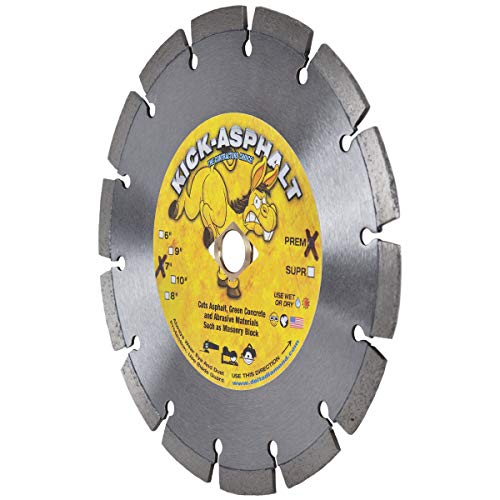
Delta Diamond’s Kick-Asphalt blade uses premium diamond segments designed for fast cuts in asphalt, green concrete, masonry blocks, and similar abrasive materials. The blade features 10mm tall segments to maximize cutting life and reduce cost per cut. A deep U-gullet design improves air cooling and chip deflection, which helps maintain performance during extended cutting sessions. This blade is suitable for medium-duty jobs and provides a balance of speed and durability on common roadwork tasks.
ALSKAR Diamond Heatwave Dry Asphalt Cutting Blade
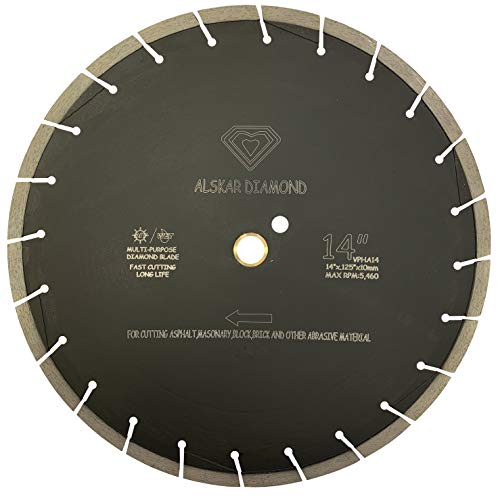
This 14-inch blade is designed for dry cutting when water isn’t available, enabling efficient asphalt work with lower horsepower saws. As a segmented blade, it aims to reduce overheating and wear while maintaining steady progress through asphalt and masonry materials. The undercut segment design helps protect the blade core from impact erosion, potentially increasing blade life in challenging conditions.
EDiamondTools 16″ All-Purpose Diamond Blade
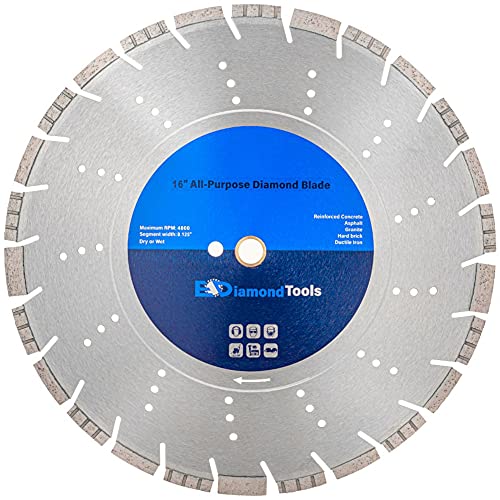
Designed to cut hard/reinforced concrete, asphalt, granite, terrazzo, and ductile iron piping, this 16-inch blade features a 10mm segment height and a 1-inch arbor. The all-purpose designation indicates versatility for mixed-material jobs, making it a solid choice for contractors who encounter both asphalt and concrete in a single project. The larger diameter provides deeper cuts and broad applicability across job sites.
DEWALT 9-Inch Asphalt and Concrete Cutting Blade
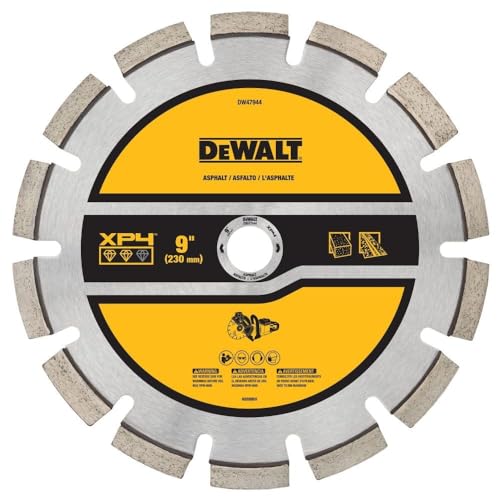
DEWALT’s 9-inch blade emphasizes durability with laser-welded drop segments for undercut protection and a tungsten carbide reinforced matrix that strengthens the diamond bond. Deep, U-shaped gullets enhance debris removal, supporting steady, straight cuts in asphalt and green concrete. The combination of straight-line performance and robust construction makes this blade suitable for professional paving and road repair projects on medium-duty saws.
Inwell 14″ Diamond Dry/Wet Cutting Blade

Inwell’s 14-inch blade is designed for both dry and wet cutting of asphalt and concrete. The 12mm segment height contributes to durability, while the 3.55mm thickness supports precise, clean cuts with reduced waste. This blade targets heavy-duty asphalt work and offers a balance of rigidity and precision for professional use on larger saws or road-cutting equipment.
Buying Guide: Key Considerations For Asphalt Blades
Choosing the right asphalt blade involves evaluating several factors beyond diameter. Consider these perspectives to ensure you select the blade that best fits your project and equipment.
- Material compatibility: Asphalt, green concrete, and masonry each require different segment designs. Segmented blades with effective cooling work well for continuous cuts.
- Cutting method: Wet cutting helps manage dust and heat, but dry-cut blades are designed for environments without water supply. Match blade capability to your saw and site conditions.
- Segment height and thickness: Taller segments extend blade life, while segment width influences cut aggressiveness and heat management.
- Core protection: Undercut protection and robust bonding matrices reduce core damage and improve longevity under heavy use.
- Arbor compatibility and RPM: Ensure the blade’s arbor size and operating RPM fit your saw. Higher RPM blades require compatible equipment for safe operation.
- Heat management: Deep gullets and cooling features help prevent warping and blade wear during long cuts in asphalt, especially in hot climates.
- Project scope: For road resurfacing or large-scale work, a larger diameter blade with deeper cutting depth can reduce pass counts and improve efficiency.
- Maintenance: Inspect blades for wear, cracks, or segment loss. Replace blades showing significant degradation to maintain performance and safety.
Bottom line: For asphalt-focused cutting, prioritize blades with robust diamond segments, effective cooling designs, and the right diameter for your saw. Wet-cut blades spread over long projects can help reduce dust and heat, while dry-cut options offer flexibility when water access is limited. Always follow manufacturer guidance for RPM and safety practices to optimize performance and blade life.