Best Bug Sprays for Houseplants That Actually Work
Finding effective, safe pest control for houseplants is essential for keeping indoor gardens thriving. This article spotlights five insect-control sprays designed for home use on vegetables, ornamentals, and houseplants, with formulations suitable for organic gardening. Each product section includes a quick overview, what pests it targets, and how to use it responsibly indoors. A concise Buying Guide at the end highlights key factors to consider when choosing a plant-safe bug spray.
| Product | Brand | Main Pest Target & Use | Notes |
|---|---|---|---|
| Neudorff Indoor Plant Spray | Neudorff | Spider mites, aphids, scale, fruit flies, fungus gnats, and more; for houseplants and greenhouse use | Contact insecticide + ovicide; can be used up to harvest on edible crops |
| Captain Jack’s Mite-X | Bonide | Mites, thrips, aphids on houseplants and ornamentals | Ready-to-use spray; indoor/outdoor suitability |
| Bonide Neem Max | Bonide | Insects at all life stages; aphids, mites, beetles, caterpillars | Neem-based; organic gardening approved |
| Mighty Mint Peppermint Oil Spray | Mighty Mint | Spiders, ants, roaches, and other pests; indoor/outdoor use | Plant-based, extra-strong peppermint formula |
| STEM Botanical Bug Spray | STEM | Ants, roaches, flies; indoor/outdoor use | Plant-based active ingredients; no added dye or harsh odors |
Neudorff Indoor Plant Spray For House Plants

Neudorff Indoor Plant Spray targets a broad spectrum of pests, including eggs, mites, aphids, scales, and more. The formula combines pyrethrins and canola oil to provide rapid contact kill while supporting organic gardening practices. It is labeled for use on edible fruits and vegetables up to harvest and is suitable for vegetables, fruits, ornamentals, shrubs, trees, roses, and houseplants. This broad-spectrum product also acts as a miticide, addressing mite populations that commonly affect indoor greenery.
Captain Jack’s Mite-X For Houseplants

Captain Jack’s Mite-X is designed specifically for the needs of indoor and greenhouse plants, focusing on nuisance pests like mites, thrips, and aphids. The product provides broad-spectrum coverage to reduce pest populations on herbs, ornamentals, and interior plants, helping protect foliage without heavy reliance on synthetic chemicals. It is suitable for both indoor and outdoor use, offering flexibility in pest management strategies for varied plant environments.
Captain Jack’s Neem Max Ready-to-Use Spray

Neem Max Ready-to-Use combines cold-pressed neem oil with a 4-in-1 action: insecticide, fungicide, miticide, and nematicide. It provides control across life stages, targeting common pests such as aphids, mites, beetles, and caterpillars. Approved for organic gardening, the neem-based spray offers a plant-based approach suitable for houseplants, herbs, and ornamental plants, supporting integrated pest management with extended protection against a range of pests.
Mighty Mint Peppermint Oil Insect Repellent Spray
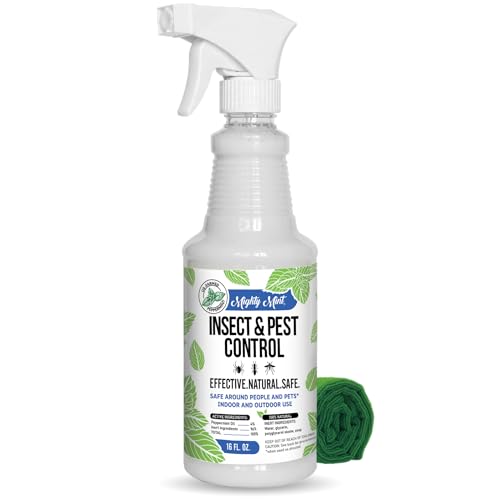
Mighty Mint uses extra-concentrated peppermint oil to deter a variety of pests, including spiders, ants, and roaches. The formula is plant-based, offering a pet-friendly and family-safe option when used as directed. Its indoor/outdoor versatility makes it a practical option for treating entryways, baseboards, and other problem areas without heavy chemical odors, while leaving a refreshing peppermint scent that some users find appealing.
STEM Kills Ants, Roaches And Flies

STEM offers a plant-based bug spray designed to kill ants, roaches, and flies with botanical extracts. The product emphasizes a safe use profile around people and pets when used as directed, and it avoids added dyes, fragrances, or harsh chemical odors. This makes it suitable for households seeking a more natural pest control option without sacrificing efficacy against common indoor pests.
Buying Guide: Key Considerations For Choosing Houseplant Bug Sprays
Product selection should balance pest targets, safety, and environmental impact. Consider the following factors when evaluating options:
- Pest spectrum: Some sprays target a broad range of pests (mites, aphids, beetles, gnats), while others focus on specific species. Match the product to the most pressing problems in your collection.
- Active ingredients: Botanical and plant-based actives (neem oil, essential oils, pyrethrins) are common for indoor use. Check for labels that align with organic/gardening preferences and crop safety, especially if edible plants are involved.
- Indoor safety: Ensure the product is labeled for indoor use and states any precautions regarding pets and children. Some formulations are safer for living spaces but may require ventilation after application.
- Lifecycle coverage: Sprays that kill eggs or provide miticidal action can help reduce recurring infestations. If mites are a persistent issue, seek products listing miticide action.
- Application method: Readily available ready-to-use sprays are convenient for spot treatments on plant foliage. Consider whether you need a stronger concentrate for greenhouse applications or a gentle foliar spray for delicate plants.
- Harvest and compatibility: If growing edibles, verify that the product can be used up to harvest and that it’s labeled safe for vegetables and fruits. For ornamentals and houseplants, compatibility with leaf surfaces and gloss may matter.
- Odor and residue: Some formulas have noticeable scents or leave residues on leaves. For sensitive spaces, opt for odor-neutral or quick-drying options and test on a small plant area first.
- Frequency and resistance: Reapplication intervals vary by product. Adhere to label directions to minimize resistance and environmental impact.
Choosing the right bug spray for houseplants involves weighing pest control effectiveness against safety and plant health. The products highlighted above provide a spectrum of options—from broad-spectrum contact insecticides to plant-based repellents—so you can tailor a pest management approach to your indoor garden while maintaining plant vitality and indoor air quality.