Best Cat Door for Basement: Durable Indoor Options for Pet Privacy
Choosing a cat door for a basement involves balancing privacy, odor control, ease of installation, and pet safety. The right door helps your cat access a litter area or feeding station while keeping dogs and drafts out. Below are five well-rated interior and exterior cat doors with features ideal for basement environments, including four-way locking, weather sealing, and pet-safe designs. This guide highlights what to look for and how these products compare to each other, helping you pick the best option for your home.
| Product | Brand | Core Benefit | Key Feature |
|---|---|---|---|
| Meow Manor Interior Door | Purrfect Portal | Privacy & Odor Control | No flap design, easy DIY install |
| Depets Large Cat Door | Depets | Versatile Locking | 4 locking modes, fits interior/exterior doors |
| CEESC Extra Large Cat Door | CEESC | Weatherproof & Visibility | 4-way switch, weather seal |
| PetSafe Interior 2-Way | PetSafe | Room-to-Room Access | Two-way privacy door, quick template |
| The Kitty Pass XL Cat Door | The Kitty Pass | Large Cat Access | XL opening, finish-ready |
Meow Manor Interior Door

The Meow Manor interior cat door is designed for privacy and odor control, offering a self-contained space for a cat’s litter and feeding area when the main door needs to stay closed. It emphasizes a no-flap design, which reduces paw entrapment risk and simplifies operation for both cats and humans.
Installation is described as a straightforward DIY project, with hardware included for secure mounting in most interior doors. It is compatible with solid or hollow-core doors with a thickness range of about 1.25 to 1.75 inches, and it ships with clear instructions to facilitate foolproof setup.
Key considerations for basement use include preventing odor leakage upstairs and ensuring the door remains sturdy against drafts. The no-flap design minimizes noise and mechanical failure, contributing to a calm basement environment. For households seeking a clean, simple interior solution that prioritizes feline privacy, this option is notable.
Depets Large Cat Door
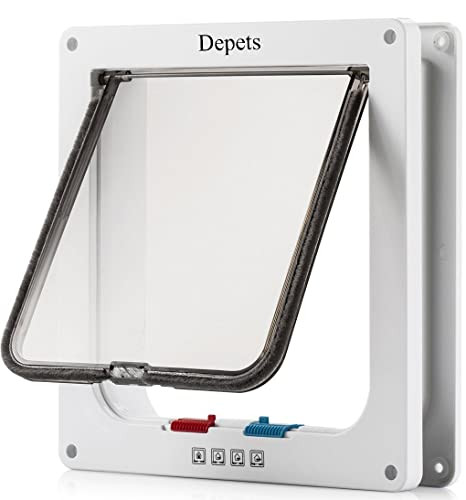
Depets offers a large cat door with four independent locking modes, giving you flexibility for interior and exterior basement connections. The door’s outer and inner dimensions accommodate cats under 17.64 pounds with a circumference under 23 inches, making it suitable for a wide range of breeds.
Its four modes (swing out, in only, both in and out, fully locked) provide precise control of your pet’s movements, which is helpful when you want to limit access to basement spaces during certain times. The included installation instructions cover various door types, including doors, walls, and cupboards, supporting different basement configurations.
Installation ease and versatility are atrractive for basements where space and access points vary. If you need a robust, lockable solution that adapts to multiple door types, Depets offers a compelling option for ongoing pet access control.
CEESC Extra Large Cat Door
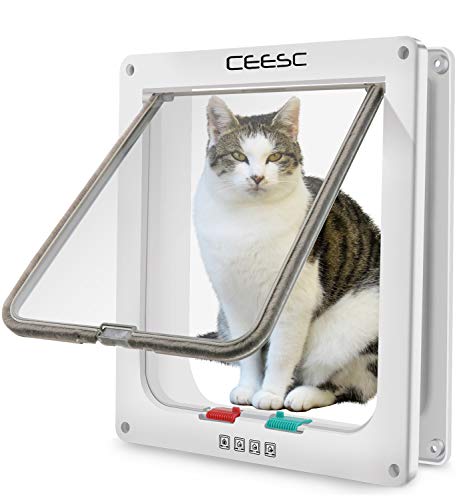
The CEESC extra-large cat door provides weatherproofing and a four-way locking mechanism, with an outer size of 11 by 9.8 inches and an inner size of 7.9 by 8.7 inches. It’s designed to fit doors and thin walls and supports pets up to about 25.5 pounds.
Important features for basement deployment include a transparent flap to allow pets to see through and a rain seal to protect interior spaces from moisture. This model also includes a brush strip to reduce noise when the door closes, which can be helpful for households where the basement is used as a living area or workspace.
If you need a larger opening and a sturdy, weather-ready option that still maintains control over pet entry, CEESC offers a solid balance of durability and usability for basement applications.
PetSafe Interior 2-Way Locking Cat Door

The PetSafe interior door offers two-way locking to minimize access to specific rooms, such as a litter box or feeding area, while enabling easy passage between rooms. The translucent plastic flap reduces door-scratching and helps maintain a clean look in basement hallways or corridors.
Included are a cutting template, hardware kit, and a straightforward installation guide, designed to fit most interior doors between 1.5 and 2 inches thick. The two-way design adds a level of privacy and security for spaces that require more controlled entry, making it a practical option for basements with sensitive areas.
The Kitty Pass XL Cat Door

The Kitty Pass XL Cat Door emphasizes a large passage suitable for bigger cats or households seeking an unobstructed opening. It is finished in semi-gloss white, with an option to paint to match decor, offering a clean aesthetic for basement doors that are visible to living spaces.
Its design focuses on safety and ease of use, ensuring a smooth, wide opening so tails and fur do not snag during passage. This model is ideal for households with larger cats or those seeking an aesthetically subtle, durable interior door solution that blends with home decor.
Buying Guide: Key Considerations For Basement Cat Doors
- Door compatibility: Measure door thickness and thickness range to ensure the unit fits solid or hollow-core doors commonly used in basements.
- Locking options: Four-way or two-way locking mechanisms help you manage pet access, weather exposure, and room privacy in basement layouts with multiple doors.
- Weather sealing: For basements, a weather seal and rainproof exterior options can protect interior spaces from drafts and moisture when doors lead to outside areas or unheated rooms.
- Pet safety: Look for designs without dangerous flaps or moving parts that could trap paws. Plastic or acrylic flaps should be smooth to reduce injury risk for curious cats.
- Privacy vs. visibility: Some doors use tinted or transparent flaps. Consider whether your basement needs more privacy (odor containment) or visibility (to deter cats from using unintended spaces).
- Size considerations: Cat door openings range from compact to XL. Select a size appropriate for your cat’s breed and age, ensuring comfortable passage without excess space that could encourage drafts.
- Easy installation: DIY-friendly kits with templates and hardware simplify basement installation where access points can be tight or awkward.
- Durability: Basement environments may experience higher humidity or temperature shifts. Durable materials and robust frames help prevent warping or cracking over time.
- Aesthetics: Finishes that can be painted or match your door style help the door blend into living spaces adjacent to the basement.
- Multi-use: Some models allow combinations of interior and exterior door use, making them adaptable for doors connecting to a garage, patio, or outdoor entrance near the basement.
Selecting the right cat door for a basement means balancing practical features like locking modes and weather seals with pet safety and home aesthetics. The five options highlighted here offer varied approaches—from no-flap designs prioritizing simplicity and odor control to XL openings and multi-mode locks that provide flexible access. Consider your basement’s layout, your cat’s size, and how often you want to restrict access to certain rooms when making a decision.