Best Caulking for Windows: Top Picks for Durable, Weatherproof Seals
Choosing the right caulk for window projects ensures a weatherproof, energy-efficient home. The following selections cover a range of needs—from quick-drying silicone to paintable latex blends—so you can seal gaps, block drafts, and protect against moisture. Each option is evaluated for adhesion, flexibility, and longevity across indoor and outdoor environments. Below, you’ll find concise product highlights, practical applications, and a buyer’s guide to help you compare performance and suitability for your windows.
Summary Of Chosen Products
| Product | |||
|---|---|---|---|
| Gorilla Waterproof Caulk & Seal Silicone Sealant | 100% Silicone | Windows, kitchens, baths, marine | |
| SILIMAX Window & Door 100% Silicone Caulk | 100% Silicone | Exterior window/door joints | |
| LISRUX White Silicone Caulk | 100% Silicone | Indoor/outdoor, windows, roofs, RVs | |
| Red Devil 0405 Silicone Acrylic Caulk & Sealant | Silicone Acrylic blend | Kitchen, bathroom, window caulking | |
| Selsil Acrylic Latex Sealant | Acrylic Latex with Silicone Emulsion | Paintable, enhanced strength & flexibility | Baseboards, windows, doors, indoors |
Gorilla Waterproof Caulk & Seal Silicone Sealant

Gorilla’s Caulk & Seal silicone sealant is designed for speed and reliability. The formula cures quickly—within about 30 minutes to water exposure—making it ideal for ongoing window projects where weather can interrupt progress. As a 100% silicone sealant, it bonds to common building materials to create a watertight and airtight seal that resists moisture over time. The white finish blends with many window frames and trims, maintaining a clean, professional look. Applications span indoors and outdoors, including kitchens, baths, doors, and even marine environments, provided full cure is achieved for optimal performance.
Strengths include rapid handling and strong adhesion across surfaces like glass, metal, and vinyl. It remains flexible after curing, which is crucial for windows that experience expansion and contraction with temperature changes. Since it’s weatherproof, it protects against air leaks and moisture intrusion, a common concern around window sills and frames. The product’s sheer versatility—usable in wet conditions after partial cure—makes it a robust option for DIYers tackling a mix of interior and exterior sealing tasks.
SILIMAX Window & Door 100% Silicone Caulk
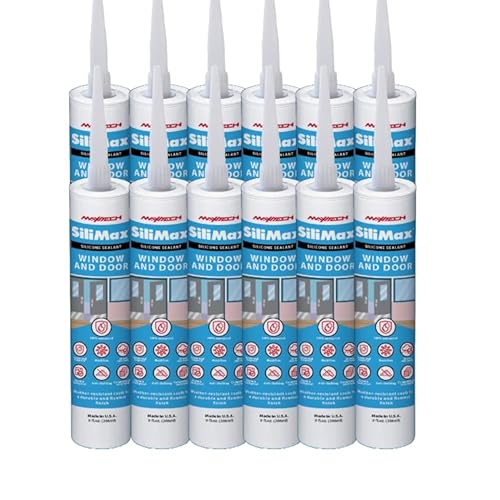
SILIMAX offers a 100% silicone adhesive sealant designed specifically for windows and doors. It provides a flexible, shrink-proof seal that’s well-suited for both indoor and outdoor use. The silicone formulation delivers UV and weather resistance, maintaining its integrity under temperature fluctuations and exposure to sunlight. This product bonds effectively to common window materials like glass, metal, and vinyl, supporting a durable exterior window seal and interior joints where long-lasting waterproofing matters.
Paintability is a noted feature, allowing a seamless color match to existing trim or wall colors after curing. Plan to test compatibility with your chosen paint to ensure a flawless finish. Because it is 100% silicone, it’s less prone to cracking as joints move, which is advantageous for exterior window frames with seasonal expansion and contraction. This option is a solid choice for homeowners seeking a maintenance-free seal that can handle outdoor exposure without frequent reapplication.
LISRUX White Silicone Caulk

LISRUX markets a 100% waterproof silicone caulk designed for broad use—from window and door joints to roofs and RVs. It promises a fast water-seal time of about 30 minutes, enabling rapid progress on projects where windows are exposed to rain or wind. The product is engineered to endure extreme temperatures, resisting shrinkage, cracking, and discoloration while maintaining a tight seal. A notable environmental and user-friendly feature is its low odor and non-toxic composition, which appeals to indoor use where fumes may be a concern.
Durability and weather resilience are emphasized, with performance claims across a wide temperature spectrum. This blend is intended for both indoor and outdoor applications, offering flexibility for multi-room window sealing tasks. The absence of strong VOC odors and its paintable nature (if matched with compatible paint) can make it a convenient choice for projects requiring color coordination and a straightforward finish.
Red Devil 0405 Silicone Acrylic Caulk & Sealant

Red Devil’s 0405 is a silicone-augmented acrylic caulk that offers a waterproof seal with paintability. This combination suits windows where you want the ease of an acrylic base with an enhanced waterproof performance typical of silicone. It’s designed to adhere well to various kitchen and bath surfaces, delivering a reliable seal that can be finished with paint for a cohesive look. The product’s Duraguard formulation emphasizes durability and resistance to moisture-related issues, which is beneficial for exterior frames subject to weather exposure and indoor joints near moisture sources.
Typical use cases include kitchen counters, bathroom vanities, and window frames where a paintable finish is desired. The 5.5 oz tube size is convenient for standard DIY jobs, and the paintability allows you to match existing trim colors while maintaining a robust, water-resistant barrier. Tooling and cleanup are generally straightforward, making this a practical option for those seeking a versatile sealant with both silicone strength and painting flexibility.
Selsil Siliconized Super Acrylic Latex Sealant

Selsil combines acrylic latex with silicone emulsion to enhance strength and flexibility beyond ordinary painters caulk. The result is a sealant that resists movement and expansion without sacrificing durability. It’s paintable, enabling a seamless finish that blends with wall colors and trims after curing. The weather and moisture resistance are designed to provide a stable, water-repellent layer, making it suitable for both indoor and outdoor sealing projects around windows, doors, and perimeters.
For window applications, consider Selsil when you want a paintable option that still delivers good flexibility and a long-lasting seal. It’s particularly useful in renovations where you plan to repaint or update trim but want a reliable, crack-resistant caulk that remains workable through seasonal shifts. While not purely silicone, the silicone emulsion boost helps improve performance in typical home environments.
Buying Guide: Key Purchase Considerations
- Material composition: Pure silicone offers excellent waterproofing and flexibility for exterior use, while acrylic latex blends are easier to apply and paintable but may be less durable in extreme weather.
- Paintability: If you plan to match window trim or interior walls, consider paintable formulations and test color compatibility.
- Drying and curing time: Quick cures reduce project downtime, but ensure full cure is achieved before exposure to moisture or temperature extremes.
- Adhesion to substrates: Check compatibility with common window materials (glass, vinyl, metal, wood) to ensure a strong, lasting bond.
- Indoor air quality: Low VOC formulas are preferable for indoor use; verify odor and solvent content if rooms are occupied during application.
- Flexibility and movement: Windows expand and contract with temperature. Choose caulks that maintain seal integrity under movement.
- Water exposure: For areas with direct water contact, prioritize waterproof or water-repellent formulations and consider cure time relative to wet conditions.
- Coverage and packaging: For larger projects, buying in larger tubes or multi-packs can reduce cost and preparation time.
When selecting caulk for window sealing, balance time-to-application, finish requirements, and exposure level. For exterior frames, a robust silicone option provides superior long-term waterproofing. For interior joints or projects requiring color-matching, a paintable latex or acrylic blend offers practical handling and a clean finish. Assess the project environment—indoor air quality expectations, sunlight exposure, and seasonal temperature changes—to guide the best long-term sealing decision.