Best Cement for Polystyrene Plastic: Fast, Strong Adhesives for Models and Crafts
Choosing the right cement for polystyrene and other plastics can dramatically improve model builds and crafts. The options below focus on fast-setting, clear-drying adhesives that bond polystyrene, ABS, acrylic, and related plastics effectively. This guide compares top-rated cement formulations, highlighting setting times, working times, and suitability for hobby projects, repairs, and production settings.
| Product | Brand | Type | Key Benefit |
|---|---|---|---|
| Testors 290278 Cement for Plastic | Testors | Plastic Cement | Fast-dry, strong hold, great for crafts |
| Devcon 90225 Plastic and Model Cement | Devcon | Plastic Cement | Dries clear, quick handling, durable bond |
| IPS Weld-On 16 Acrylic Plastic Cement | Weld-On | Acrylic Cement | High-strength, fast setting |
| Acrylic Bonding Cement with Applicator Bottle (Berkland) | Berkland | Acrylic/Clear Cement | Crystal-clear finish, precision bonding |
| Testors 281216 Liquid Cement for Plastic | Testors | Liquid Cement | Fast dry, durable adhesion |
Below are five selected products that consistently perform well on polystyrene and related plastics, with brief notes on their ideal uses and working characteristics.
Testors 290278 Cement For Plastic

Testors 290278 is designed for polystyrene and ABS plastics, delivering a fast-drying cement that forms a durable, long-lasting bond. The cement is suitable for a variety of craft projects, making it a versatile choice for model builders. A typical working time supports careful alignment before the cement fully sets, with a noticeable cure over a couple of hours. This product is well-suited for hobbyists who require strong adhesion without long wait times between steps.
Devcon 90225 Plastic And Model Cement

Devcon 90225 is a classic plastic cement formulated for bonding polystyrene models and toys. It dries clear, reducing visible seams on clear or light-colored parts. Handling time begins around 10 minutes, with a typical set in about two hours and a full cure after 24 hours. This cement is favored for model assembly where a discreet, clean bond is essential and immediate handling is not critical.
IPS Weld-On 16 Acrylic Plastic Cement
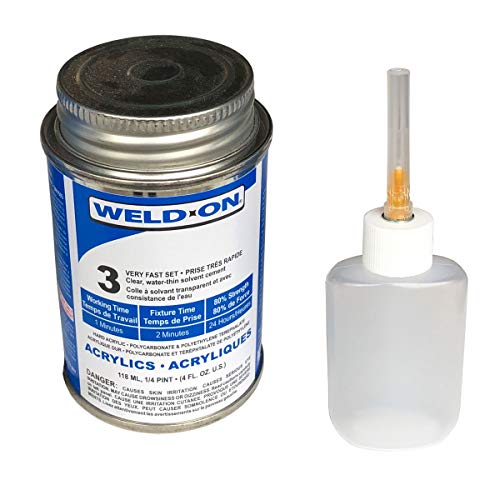
Weld-On 16 is a high-strength solvent cement designed for acrylic bonding. It sets quickly and is particularly effective for transparent or clear acrylic assemblies where a strong, nearly seamless joint is needed. The product is supplied in a 4-ounce can with a applicator bottle, making it suitable for detailed work or production runs where precision tools are beneficial. Users should handle with care due to solvent-based formulation and ensure proper ventilation during use.
Acrylic Bonding Cement With Applicator Bottle (Berkland)

Berkland’s Acrylic Bonding Cement features a precision applicator bottle and a water-thin formula that seeps into tight joints for clean, strong bonds on acrylic and plastic surfaces. The fast-setting formula provides an initial bond within minutes, with full strength after curing. A crystal-clear finish dries for professional-looking results on plexiglass and similar sheets. This cement is especially useful for flat panels and precise joints where visibility matters.
Testors 281216 Liquid Cement For Plastic

Testors 281216 Liquid Cement for Plastic offers fast-drying bonding for polystyrene and ABS plastics. It provides a strong, lasting hold by dissolving the surfaces slightly to cement them together, resulting in seamless joints on model kits and craft pieces. This product is popular among hobbyists seeking reliable performance with minimal wait times between assembly steps.
Buying Guide: Cement For Polystyrene Plastic
- Material compatibility: Check whether the cement is formulated for polystyrene, ABS, acrylic, or a combination. Some are better for clear plastics where a visible seam matters less.
- Setting time vs. working time: Fast-set formulations are ideal for quick builds, but may require careful alignment before adhesion is permanent. Look for products that balance initial set with a reasonable working time.
- Solvent type and odor: Solvent-based cements dissolve plastics to fuse parts; they usually require good ventilation. Water-thin acrylic cements offer precision bonding with lower odor but may require longer curing times.
- Finish and appearance: Clear or crystal-clear cements help maintain a clean look on transparent parts. Some formulations leave a slight residue or require finishing work to hide joints.
- Application tools: Applicator bottles, needles, and precision tips aid in controlled drops and pinpoint bonding on tiny joints, especially for model kits.
- Drying vs. curing: Some products dry quickly but cure over 24 hours or more. Plan assembly steps accordingly, especially for multi-part builds.
- Safety and handling: Use gloves, work in a well-ventilated area, and store containers properly to prevent skin contact or vapor exposure.
- Brand ecosystem: Compatibility between different brands is variable. When possible, use products within the same family for predictable results, though mixing is common in many projects.
- Cost and availability: Consider the balance between price, quantity, and ease of access. Some 4 oz or 0.5–1 oz options fit different project scopes.
In summary, selecting the right cement depends on the specific plastic type, required bond strength, and project speed. For polystyrene-focused work, options like Testors and Devcon provide reliable bonding with varied drying times. For acrylic-heavy assemblies, Weld-On and Berkland offer clear finishes and precision bonding. Always review the product’s instructions to ensure compatibility with your materials and follow safety guidelines during use.