Best Chainsaws for Cutting Trees: Tough Cuts, Safer Woodworking
Finding the right chainsaw for tree cutting depends on power, portability, and safety. The following selections balance corded, cordless, and gas models to cover backyard pruning, limb removal, and occasional arborist tasks. Each pick highlights a standout feature set and practical use scenarios for American homeowners and DIY enthusiasts.
Summary of chosen products:
| Product | Brand | Power Type | Bar Size | Key Strength |
|---|---|---|---|---|
| CRAFTSMAN Electric Chainsaw, 16 Inch | CRAFTSMAN | Corded Electric | 16 inch | High torque motor, low kickback design |
| WORX WG322 20V Cordless Chainsaw | WORX | Cordless Battery | 10 inch | Auto-tensioning, expandable Power Share system |
| EGO POWER+ CS1611 | EGO Power+ | Battery | 16 inch | Long run-time, proven 56V battery |
| Husqvarna 120 Mark III (Gas) | Husqvarna | Gas | 16 inch | X-Torq efficiency with inertia brake |
| Oregon CS1500 | Oregon | Corded Electric | 18 inch | PowerSharp self-sharpening system |
Each product below is selected to address common tree-cutting scenarios, from light pruning to heavier limb work, with safety features and ease of use in mind. Read on for practical details and usage considerations.
CRAFTSMAN Electric Chainsaw: Solid Corded Power

The CRAFTSMAN CMECS600 delivers a robust 12‑amp motor designed for tough cuts, with a 16‑inch low kickback bar and chain to help manage larger branches without excessive kick. Its built‑in auto‑oil system ensures consistent lubrication, reducing maintenance downtime. This model suits homeowners performing mid‑size tree work, pruning, and seasonal limb removal where a reliable corded option is preferred for steady power without battery management concerns.
Key considerations: corded power means unlimited runtime but requires a nearby outlet and extension cable; the 16‑inch bar supports a range of tree-cutting tasks but may be less ideal for very thick hardwoods. The tool’s weight and ergonomics help reduce fatigue during longer sessions. Review safety features and keep protective gear on hand for best results.
WORX WG322: Lightweight Cordless Convenience
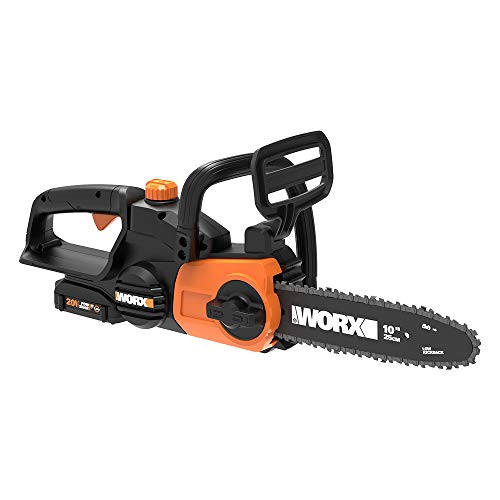
The WORX WG322 uses a 20V Power Share battery system and a compact 10‑inch bar, offering easy handling for pruning and small branches. A standout feature is automatic chain tensioning, which helps maintain optimal performance without manual adjustments on the fly. The same 20V Power Share ecosystem expands to other WORX tools, letting you reuse batteries across products for practical value in a small‑to‑medium yard.
Key considerations: battery‑powered design reduces noise and emissions, but runtime depends on battery capacity and workload. For heavier, sustained cuts, monitor battery status and plan recharges. The 10‑inch bar is best for lighter tasks or overhead pruning rather than heavy trunk work. Ensure proper oiling and lubricate the chain as recommended to maximize life.
EGO POWER+ CS1611: High-Performance Cordless
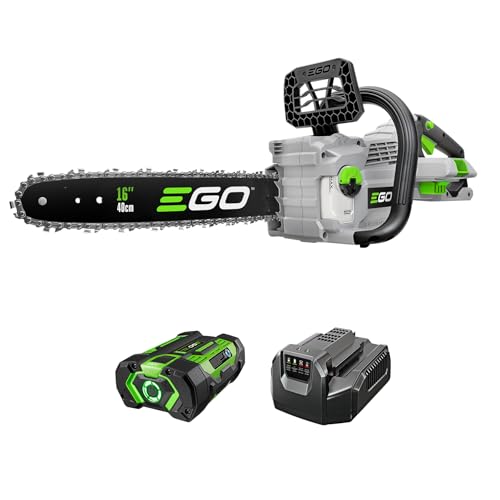
The EGO POWER+ CS1611 combines a 16‑inch bar with a 56V ARC lithium battery, delivering gas-like performance with the convenience of cordless operation. With impressive cutting potential, it’s suited for medium-sized tree work, limb removal, and routine yard maintenance. The 56V battery provides substantial runtime, helping keep work progressing without frequent interruptions, while the ergonomics support comfortable extended use.
Key considerations: battery weight and charge time influence overall ease of use. Match the tool to the anticipated workload, and use the included battery and charger as recommended to avoid underpowered sessions. The bar length strikes a balance between reach and control for home arborist tasks.
Husqvarna 120 Mark III Gas: Durable Yard Workhorse

The Husqvarna 120 Mark III uses a 38‑cc X‑Torq engine to deliver efficient power with reliable cut capability. Its 16‑inch bar is a practical size for homeowners dealing with medium‑sized trees and pruning tasks. The inertia‑activated chain brake adds a safety layer during operation, a valuable feature when working at varying heights and angles.
Key considerations: gas models require maintenance such as fuel stabilization and routine cleaning of the air filter. The lightweight design improves handling, but vibration and noise can be higher than electric options. Use proper PPE and follow starting precautions to maximize safety and performance.
Oregon CS1500: Self-Sharpening Power
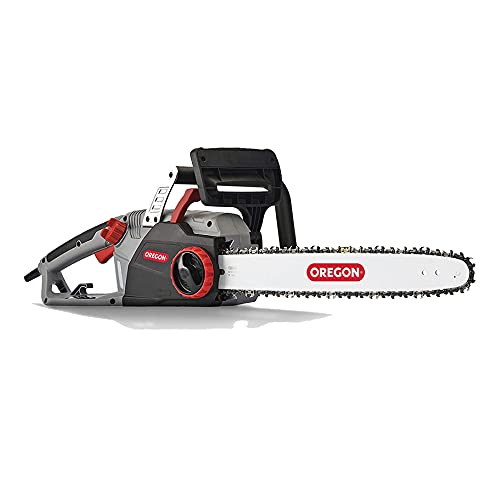
The Oregon CS1500 brings 18 inches of guide bar along with the integrated PowerSharp self‑sharpening system. This feature reduces downtime by sharpening the chain quickly, which can be a real advantage during longer cuts or mixed wood conditions. The built‑in chain brake and ergonomic design contribute to safer operation for a home use environment.
Key considerations: keep a sharp chain and ensure proper chain tension for efficient cutting. The 18‑inch bar is well-suited for larger limbs and some trunk work, but users may want to assess whether more power or a longer bar is required for particularly dense hardwoods.
Buying Guide: Key Purchase Considerations
Power source and duty cycle: Corded electric saws provide steady power for constant cuts but require extension cords and outlet access. Cordless models offer portability and quieter operation but depend on battery life. Gas saws deliver high power for demanding tasks but need fuel and maintenance knowledge.
Bar length and weight: A longer bar increases reach and cutting capacity but can reduce maneuverability. Lighter models reduce fatigue for pruning and light work, while heavier tools may be better suited to frequent or tougher cuts. Balance weight with control in mind for safe operation.
Safety features: Look for chain brakes, low kickback bars, automatic oiling, and anti‑vibration handles. Self‑sharpening systems can reduce downtime, but ensure you understand proper maintenance to keep blades in good condition.
Battery ecosystem and runtime: For cordless tools, evaluate battery capacity, charge times, and compatibility with other tools in the same brand. A single battery can streamline tool use but may require additional purchases for longer jobs.
Maintenance and care: Regular cleaning, lubrication, and chain tension checks extend tool life. Gas saws require fuel management and air filter care, while electric models benefit from keeping connectors clean and dry. Follow the manufacturer’s maintenance schedule for best results.
Safety training and PPE: Always wear eye protection, cut‑resistant gloves, hearing protection, and sturdy footwear. Read the user manual for safe starting procedures, handling, and kickback precautions before each use.