Best Chainsaws for Overlanding and Off-Grid Adventures
Overlanding and off-road excursions often require compact, reliable tools for clearing trails, felling small branches, and maintaining campsites. The following selection focuses on portable, battery or gas-powered chainsaws that balance weight, cutting power, and ease of use for remote environments. Each option is suited for vehicle-top gear lists, camping setups, or emergency readiness kits, providing versatile performance without heavy maintenance.
A quick summary of the five selected products:
- EGO POWER+ Chain Saw, 12″ – Cordless, 56V battery with charger; compact and efficient for light duties.
- EGO POWER+ Chain Saw, 16″ – Slightly larger bar for bigger limbs, still cordless and easy to manage.
- Saker Mini Chainsaw, 6″ – Ultra-portable, ideal for trail clearing and small branches; long-lasting battery.
- Seesii Mini Chainsaw, 6″ – Lightweight with dual batteries and easy one-handed use for tight spaces.
- Baotree 62cc Gas Chainsaw, 20-Inch – Gas-powered for tougher cuts and longer runtime in remote areas.
EGO POWER+ 12-Inch Cordless Chainsaw

- Brand: EGO Power+
- Battery: 56V 2.5Ah included (charger included)
- Bar/Chain: 12″ with 3/8″ pitch and 0.043″ gauge
- Performance: Brushless motor rated to deliver power comparable to a 30cc gas chainsaw; up to 130 cuts per charge on a typical 4×4
- Best for: Light-duty brush removal, limb work, trail maintenance in overlanding setups
The 12″ model prioritizes weight reduction and reach for on-trail adjustments. Its battery compatibility with other ARC Lithium packs offers flexibility for multi-tool kits. For extended trips, carry a spare battery and charger to maintain productivity without a gas engine’s fueling requirements.
EGO POWER+ 16-Inch Battery Chainsaw
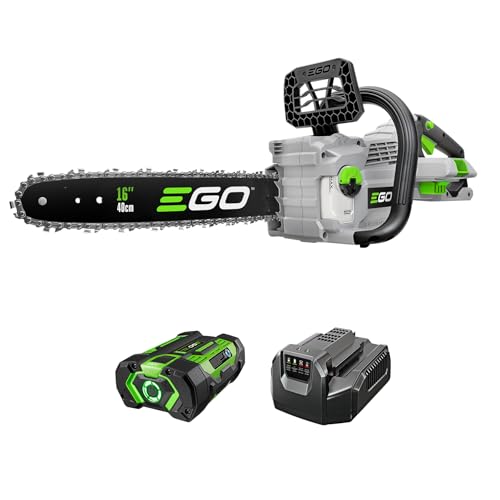
- Brand: EGO Power+
- Bar/Chain: 16″ bar with similar 56V platform
- Performance: 40CC gas-equivalent power; capable of up to 130 cuts on a 4×4 with included battery
- Best for: Medium to larger limbs, campsite clearing, and quick schedules where wire-free operation matters
With a longer bar, this model expands cutting capacity while remaining cordless. It suits overlanding crews who encounter larger branches along trails or at campsites requiring speedy cleanup without hunting down fuel. The same battery ecosystem as the 12″ version helps standardize gear choices for expeditions.
Saker Mini Chainsaw — 6 Inch Upgrade

- Brand: Saker
- Bar/Chain: 6″ cutting capacity; upgraded 2025 motor
- Performance: Pure copper motor; efficient cutting with longer working life
- Best for: Trail maintenance, pruning, tiny limbs, and compact packing for overland trips
Ultra-portable and battery-powered, the Saker 6″ chainsaw is ideal for removing small branches and clearing tight spaces on a remote trail. It’s designed for reliability with an advanced motor and durable construction, making it a top companion for quick on-site tasks during long journeys.
Seesii 6-Inch Mini Chainsaw

- Brand: Seesii
- Bar/Chain: 6″ mini chainsaw with dual batteries
- Features: Lightweight (about 2.62 lbs), one-handed use, self-overload and temperature protection
- Best for: Tight spots, pruning, and quick field maintenance where weight savings matter
Seesii emphasizes portability and user-friendly operation, making it a practical pick for riders who need to manage branches in hard-to-reach areas. Dual batteries extend run time, and protective features help ensure safe, continuous use on the trail or campsite.
Baotree 62cc Gas Chainsaw — 20-Inch

- Brand: Baotree
- Bar/Chain: 20″ chain, 62cc two-stroke engine
- Features: 3D anti-kickback chain brake, forged magnesium crankcase, tool-free chain tensioning
- Best for: Heavier wood cutting, firewood preparation, and longer expeditions where gas power is advantageous
This gas-powered option delivers robust cutting capacity for larger diameter logs and more demanding tasks encountered during extended overland trips. Features emphasize safety and durability in rugged environments, making it a solid choice when electrical power is unavailable.
Buying Guide: Key Purchase Considerations For Overlanding Chainsaws
- Weight and portability: For overlanding, lighter tools reduce fatigue during trail work. Battery models offer quiet operation and no fumes, while gas engines provide longer run time between refuels in remote areas.
- Power source and runtime: Decide between cord-free battery platforms and gas. Consider battery voltage and amp-hours for runtime expectations, and whether you need a spare battery for multi-day trips.
- Bar size and cutting tasks: Smaller bars (6-12 inches) suit limb removal and branch work; 16-20 inch bars support larger logs. Match bar length to typical tasks you expect on the trail or campsite.
- Safety features: Look for chain brakes, anti-kickback design, automatic oilers, and temperature protection. These reduce risk during extended use and rough handling on uneven terrain.
- Maintenance and reliability: Battery chainsaws require minimal maintenance but need battery care. Gas models demand fuel, oil, spark plug checks, and air filter maintenance; consider spare parts availability.
- Portability vs. power trade-offs: For frequent trail operations, a compact 6- to 12-inch model may be ideal; for campfire wood and larger tasks, a larger bar or gas model can save time.
- Accessories and compatibility: If you already own a battery platform, choosing a compatible chainsaw minimizes equipment to carry. Check compatibility with existing batteries and chargers.
- Weather and storage: Overlanding gear should tolerate dust, rain, and cold. Use protective cases, keep chains lubricated, and store batteries offline from extreme temperatures.
When evaluating options for overlanding, compile a lightweight shortlist balancing weight, cutting capability, and the availability of spare power. A two-tool approach—one compact battery model for light work and a larger gas chainsaw for heavy-duty tasks—often yields the best balance for remote adventures.