Best Cheap Light Meter for Home, Studio and Garden Lighting
For photographers, horticulturists, and DIY enthusiasts, a reliable light meter helps ensure consistent illumination without overspend. This guide highlights affordable options with solid accuracy, easy reads, and essential features. Read on to compare five budget-friendly light meters that cover common tasks—from plant growth to photography lighting assessments across indoor and outdoor settings.
Summary of Selected Products
| Brand | Model | Range | Key Feature |
|---|---|---|---|
| URCERI | Light Meter Digital Illuminance Meter | 0–200,000 Lux | 4-digit color LCD, MIN/MAX, data hold |
| Leaton | Light Meter, Digital Luxmeter | 0–200,000 Lux | Compact design, fast readings |
| Soonkoda | Digital Illuminance Light Meter Tester 200,000 Lux | 0–200,000 Lux | Wide use with auto range |
| Mcbazel | Digital Illuminance Light Meter | 0–200,000 Lux | Large range, fast response |
| TOPTES | TopTes TS-710 Light Meter | 0.1–200,000 Lux | 180° rotating sensor, backlit display |
URCERI Light Meter Digital Illuminance Meter
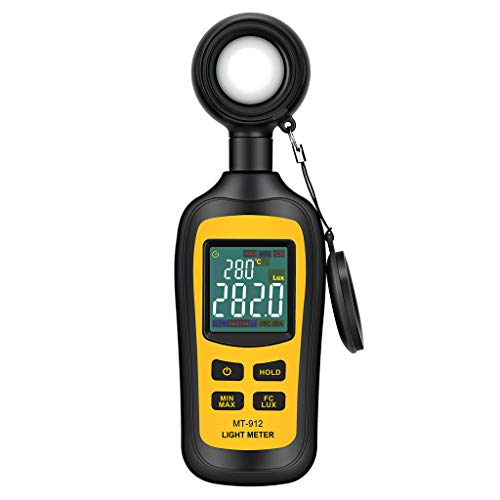
- Measuring range: 0 to 200,000 Lux and ambient temperature
- High accuracy: ±3% rdg ± 8 dgts (<10,000 Lux); ±4% rdg ±10 dgts (>10,000 Lux)
- Display: 4-digit color LCD with MIN/Max readings and data hold
- Power management: auto power off and low battery indication
The URCERI model provides a broad Lux range and reliable on-device readings with a color LCD for quick interpretation. It is suitable for a range of applications from plant lighting checks to interior design lighting planning, offering essential data hold and MIN/MAX features for performance comparisons over time.
Leaton Light Meter, Digital Luxmeter
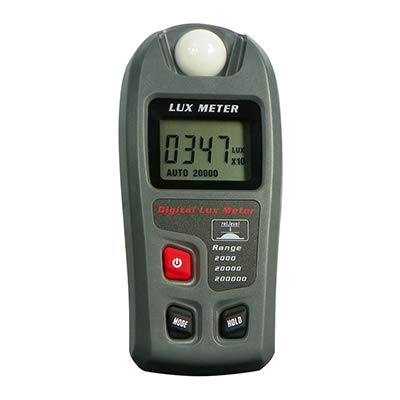
- Range up to 200,000 Lux; 9V battery (not included)
- Accuracy: ±4% with resolution 0.1 Lux / 0.01 Fc
- Units: Lux and Fc; fast measurements
- Compact handheld design for quick ambient lighting checks
The Leaton device emphasizes compact usability and straightforward Lux/Fc measurements, making it a practical choice for photographers and homeowners seeking quick checks of room brightness or plant lighting needs without complex settings.
Soonkoda Digital Illuminance Light Meter Tester

- Wide measuring range up to 200,000 Lux with automatic range
- Versatile usage: schools, hospitals, offices, homes, and more
- Units: Lux and FC
- Visible brightness measurement for indoor/outdoor tasks
Soonkoda emphasizes broad applicability with an auto-ranging system, ensuring users get consistent readings across various environments—from classrooms to photography studios—without manual range adjustments.
Mcbazel Digital Illuminance Light Meter

- Wide range to 200,000 Lux; accuracy ±3% and ±4% depending on range
- Two-unit flexibility: Lux and FC; fast sampling up to 2 times/second
- Backlit LCD for readability in low light
- User-friendly design with clear display
The Mcbazel meter focuses on fast response and clear data with backlighting, making it useful for dynamic lighting environments like plants under artificial grow lights or studios needing quick checks during shoots.
TopTes TS-710 Light Meter

- 180° rotating sensor for flexible positioning
- Backlit 2.25″ LCD; fast readings every 0.5 seconds
- Range: 0.1 to 200,000 lux; 0.1 to 20,000 fc
- Accuracy: 3% rdg + 5 digits
TopTes TS-710 is designed to adapt to multi-angle measurements, making it ideal for studios, plant grow rooms, and automotive lighting. The rotating probe and bright display support accurate assessments from tricky angles or dim corners.
Buying Guide: Choosing A Budget Light Meter
When selecting a cheap light meter, several factors matter beyond list price. The following considerations help buyers match a meter to their typical tasks and environments.
- Measurement range and accuracy: Most affordable meters cover 0–200,000 Lux. Check the stated accuracy at different ranges, as performance can vary between low and high Lux values. For plant growth or photography, consider models with ±3–5% accuracy for reliable comparisons.
- Units and conversion: Lux is the standard, but some meters also display foot-candles (Fc). If you frequently compare to outdoor daylight references or film/photography workflows, ensure the unit toggle is easy and fast.
- Display and readability: A backlit LCD helps in low-light settings. A color LCD can offer quicker interpretation of readings in busy environments. Ensure the digits are large enough to read without squinting.
- Data features: MIN/MAX, data hold, and peak readings are valuable for monitoring fluctuating light. Data hold allows you to capture a momentary spike without memorizing or repeating measurements.
- Response time: In dynamic scenes (grow rooms, live performances), faster sampling (0.5–2 seconds) provides a truer sense of variability. Slower meters may miss brief spikes.
- Auto power off and battery life: Auto power off helps conserve battery in portable use. Check whether the meter uses common batteries and whether backup features exist.
- Build and ergonomics: A compact, lightweight unit reduces fatigue during extended measurements. A rotating sensor or easy access to the probe can improve usability in awkward spaces.
- Accessories and compatibility: Some kits include carrying pouches, cases, or additional calibration notes. Consider whether you’ll need a stand or mounting option for static measurements.
- Intended use: For horticulture, look for precise Lux readings with good low-light sensitivity. For photography, prioritize fast response, wide range, and reliable data hold to fine-tune lighting setups.
Additional Considerations
Users should assess how a meter will be used across tasks like indoor plant growth, studio lighting calibration, or home improvement projects. If you frequently switch between Lux and Fc, confirm that the device supports both units and that the conversion is accurate. For educational or hobbyist use, entry-level models with clear displays and long battery life provide great value. Professionals may lean toward meters with faster sampling, broader ranges, and more robust construction for frequent field use.
In selecting a budget-friendly light meter, balance price with essential capabilities: a broad 0–200,000 Lux range, reliable accuracy, a readable display, and practical features such as MIN/MAX, data hold, and auto power-off. The five models highlighted here deliver solid performance for everyday needs without premium pricing.