Best Chop Saw Blade: Top Picks for Efficient Metal and Wood Cutting
Choosing the right chop saw blade can dramatically improve cutting speed, accuracy, and finished quality. This article reviews five highly regarded blades designed for metal and mixed-material jobs, helping American buyers pick blades that match their saws, materials, and performance needs. Each option balances durability, heat management, and clean cuts, with a focus on low heat, minimal burrs, and long life. Read on to compare leading carbide-tipped and cermet blades and find the best blade for your chop saw or metal-cutting toolkit.
| Product | Brand | Key Benefit |
|---|---|---|
| Evolution 14BLADEST | EVOLUTION | Low heat, burr-free cuts in mild steel |
| Diablo D1472CF | Diablo | Long life with cooler, cleaner metal cuts |
| DEWALT DW8001 | DEWALT | Durable, fast cutting for metal and steel |
| FOXBC 14″ Metal Cutting | FOXBC | 66-tooth carbide/cermet blade for versatile steel cutting |
| FOXBC 12″ Combination Miter | FOXBC | Balanced wood and engineered wood cutting |
Below are five blades that consistently receive strong feedback for performance, longevity, and precision. Each section provides a concise overview and practical considerations to help you choose based on your saw model, material types, and operation tempo.
Evolution 14BLADEST 14-Inch Mild Steel Blade
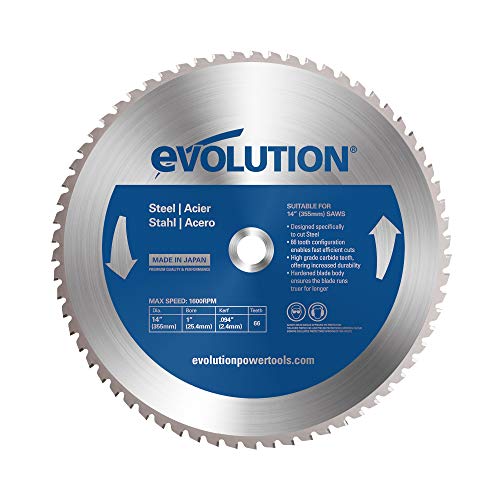
The Evolution 14BLADEST is a 14-inch carbide-tipped blade designed specifically for cutting mild steel and ferrous metals. Its 66 teeth balance aggressive material removal with fine finishes, making it a solid choice for chop saw applications. The blade is engineered to minimize heat, burrs, and sparks, enabling safer, faster cuts and quicker handling of the finished piece. Designed for compatibility with common 14-inch chop saws, it is positioned as a practical upgrade for metal-focused shop workflows.
Key considerations: This blade is optimized for mild steel; avoid galvanized, hardened, or high-carbon steels with this blade to prevent premature wear. Operators should verify arbor compatibility and ensure running RPM aligns with the tool’s specifications. The absence of heat buildup helps preserve temper and reduces the risk of warping in thin-walled or delicate workpieces.
Diablo D1472CF Steel Demon Cermet II Blade

Diablo’s Steel Demon Cermet II blade blends cermet and carbide technology to deliver extended life and consistent performance in metal cutting. With the D1472CF, Diablo emphasizes cooler operation and faster cuts, potentially reducing heat-related tool wear and the risk of thermal distortion. The triple-chip grind helps produce precise, burr-free cuts with fewer sparks, particularly advantageous when cutting metal plates, studs, or pipes in workshop settings.
Key considerations: This blade targets heavy-duty metal cutting, offering durability under higher RPMs. Check your saw’s RPM rating to ensure compatibility and avoid overloading the blade. The cooler cutting action can be beneficial for long run times, but operators should still monitor heat buildup in very thick sections or alloyed metals. The long-life claim should be weighed against cost per cut for repeated use.
DEWALT 14″ Chop Saw Blade (DW8001)

DEWALT’s 14-inch chop saw blade is built for high-performance metal cutting with aluminum oxide grain and a high-grain concentration that supports aggressive action and smooth running wheels. The product line emphasizes durability and long life under demanding cutting conditions, making it a reliable option for shops that require fast, repeatable cuts in metal stock. The dual-pack concept in related products offers flexibility for changing compositions or blade life requirements.
Key considerations: While optimized for metal cutting, confirm whether you need a dedicated off-cut blade or a general-purpose metal blade. Ensure compatibility with your specific DEWALT chop saw model and verify maximum RPM to avoid blade damage. For best results, practice proper feed rate and secure clamping to minimize heat and provide clean edges without excessive burrs.
Xmnbl 14-Inch Mild Steel Blade (11-Teeth, 66 Teeth)

The Xmnbl 14BLADEST product line centers on 14-inch blades for metal cutting with 66 teeth, designed to cut mild steel and similar ferrous metals. The blade’s carbide tip construction and TCg grinding are aimed at delivering stable wear resistance and clean cuts, while compatible with Evolution and other low RPM metal cutting saws. The stated RPM ceiling aligns with common metal-cutting saws, making it a versatile option for mid-range cutting tasks.
Key considerations: Review the saw’s RPM and arbors to ensure compatibility. This blade is made for mild steel; avoid non-ferrous or coated metals that could shorten blade life. Consider kerf and tooth geometry if your project requires fine finishes on sheet metal or structural sections. Regular lubrication and debris removal help extend blade life in dirty shop environments.
FOXBC 14 Inch Metal Cutting Blade with 66 Teeth

FOXBC’s 14-inch blade is designed to work with Evolution 14-inch chop saws and other compatible low RPM metal cutting saws. It features 66 teeth and a kerf around 0.095 inches, targeting stable, efficient cuts in steel studs, pipes, angle iron, and other ferrous materials. The blade is marketed to be compatible with a broad range of 14-inch saws and is pitched for longer life in demanding shop environments where metal cutting is frequent.
Key considerations: Verify compatibility with your saw’s arbor size and RPM rating. The blade’s kerf and tooth arrangement influence feed rate and edge finish, so plan your workflow accordingly. If you cut thicker sections or rigid pipes, this blade’s geometry can help maintain a clean edge with fewer reworks. Regular inspection for tooth wear is recommended to maintain performance levels.
FOXBC 12-Inch Combination Miter Blade, 60-Tooth

The FOXBC 12-inch combination miter blade blends 60 teeth with an 1-inch arbor, suitable for both ripping and crosscutting wood and wood composites. The blade’s design includes a wide tooth spacing with large gullets to clear waste efficiently, providing smoother operation and cleaner edges on finished wood parts. This blade is a practical pick for woodworkers who need one blade to cover multiple cutting tasks.
Key considerations: Confirm that your miter saw accepts a 1-inch arbor and that the kerf aligns with your saw’s design. For heavier wood or engineered products, consider blade hardness and tooth geometry to balance speed with edge quality. The blade’s 15° hook angle favors smoother starts and consistent cuts in plywood and softwood.
Buying Guide: Key Purchase Considerations
When selecting a chop saw blade, consider material, use case, and compatibility. For metalwork, carbide-tipped or cermet blades with 66 teeth deliver clean edges at lower heat, reducing workpiece distortion and post-cut deburring. For wood or mixed materials, a 60-80 tooth miter blade provides a smooth finish with fewer chips.
Important factors to compare across blades:
- Material compatibility: Mild steel, stainless, galvanized, or alloys require different blade compositions. Match blade chemistry to your target metal.
- Teeth count and geometry: More teeth give finer finishes but slower material removal. Fewer teeth cut faster but may require more finishing work.
- Kerf and arbor size: Ensure the blade kerf and arbor match your saw’s specifications to prevent vibration or misalignment.
- RPM rating: Blades are designed for specific maximum speeds. Using a blade beyond its RPM limit can cause failure or dangerous kickback.
- Coolant and heat management: Blades designed to reduce heat help preserve material temper and extend blade life in high-volume metal cutting.
- Durability and cost per cut: Longer life blades may have higher upfront cost but lower long-term replacement costs.
- Compatibility with existing saws: Check your model’s compatibility with 14-inch or 12-inch blades and ensure correct arbor compatibility.
For best results, select blades tailored to your primary workload—metal cutting that minimizes heat and burrs, or wood cutting with clean, precise edges. Always prioritize safety: use proper PPE, secure the workpiece, and follow the saw manufacturer’s guidelines for blade installation and operation.