Best Circ Pump for Water Heater: Top Picks for Efficient Hot Water Circulation
For households seeking reliable hot water delivery, a dedicated circulating pump can dramatically improve recovery times and reduce wait periods at taps. This guide highlights five circ pumps with solid performance, varying voltages, and robust construction suitable for both solar and traditional water heating systems. Each product is evaluated on flow rate, head, power consumption, and durability to help you choose the right pump for your setup.
Summary Of Selected Products
| Product | Brand | Key Features |
|---|---|---|
| BYT-7A015 DC 12V Solar Hot Water Circulation Pump | Bayite | DC 12V, 2.1 GPM, 9.8 ft head, low noise (30 dB), brushless motor, includes power adapter |
| Trupow 3/4″ NPT 110V Circulation Pump | TRUPOW | 110V, 30 L/min max, 6 m head, 3 speeds, low noise, rugged design |
| BOKYWOX 120W NPT 3/4″ Booster Pump | BOKYWOX | 110V, 8 GPM, 39.4 ft head, anti-rust treatment, wide applicability |
| LAING Spa Circulation Pump E5 | Laing By Xylem | 120V or 240V universal, 40W, 50/60 Hz, 3/4″ connections, includes connectors |
| Rinnai REP160eN Smart-Circ Tankless Water Heater Pump | Rinnai | Built-in recirculation, up to 6.6 GPM, outdoor install |
Each product below is explored with its primary strengths, compatibility notes, and practical considerations to help you determine which circ pump best suits your water heater configuration and usage pattern.
Bayite BYT-7A015 DC 12V Solar Circulation Pump

The Bayite BYT-7A015 is a compact DC-powered circulation pump designed for solar water heating setups and other low-volt applications. It operates at 12V with a brushless motor to deliver a maximum flow of 2.1 GPM and a discharge head around 9.8 feet. It uses a 1/2″ male thread on the pump and includes a power adapter. The unit emphasizes quiet operation, with a rated noise level near 30 dB at one meter, and a long service life estimated at 30,000 hours. Suitable for smaller solar or retrofit installations where a compact, efficient pump is required.
Key considerations:
- Best for 12V DC systems or solar installations with an appropriate controller.
- Non-self-priming; ensure proper priming and piping layout.
- Brass coupling dimensions and thread compatibility should be checked against your system.
Trupow 110V Circulation Pump, 3/4″ NPT

The Trupow model is a versatile 110V circulation pump with three speeds, designed for hot water systems requiring robust flow at a reasonable power draw. It features a maximum head of about 6.0 meters and a maximum flow of 30 liters per minute, making it suitable for mid-sized homes or retrofits where vertical lift is modest. Its all-around design emphasizes reliability, low leakage, and environmental considerations. Installation is straightforward given standard 3/4″ NPT connections.
Key considerations:
- Three-speed operation enables tailoring to demand and energy use.
- 110V power supply aligns with standard household circuits; consider dedicated circuit if running near capacity.
- Ensure compatible piping and space for any vibration isolation needs.
BOKYWOX 120W NPT 3/4″ Booster Pump

The BOKYWOX booster pump is designed for higher flow and pressure needs. With a max flow of about 30 L/min (8 GPM) and a head up to 12 meters (39.4 feet), it supports solar heaters, faucets, showers, and water heaters in larger homes or properties with longer runs. The unit uses NPT 3/4-inch fittings and features corrosion resistance, anti-rust treatment, and a focus on long life. It is suitable for circulating hot water through solar or boiler-based systems where higher head is required.
Key considerations:
- High flow and head capacity can drive higher energy use; match to needs.
- Rust and corrosion resistance improves longevity in hot water environments.
- Ensure electrical supply compatibility and proper circuit protection.
LAING Spa Circulation Pump E5

The LAING Spa E5 circulator is commonly used in spa and hot tub applications but also adapts well to residential hot water circulation needs. It supports 120V or 240V input at around 40W and operates at standard 50/60 Hz. A notable feature is the inclusion of three 3/4″ barbed hose connections plus a pack of terminal connectors, which supports quick integration with existing plumbing and electrical configurations. It is a compact element in a broader hot-water recirculation strategy.
Key considerations:
- Check voltage compatibility with your electrical supply and safety requirements.
- Look for compatibility with your hose fittings and available space near the heater or water lines.
- Consider environmental placement to minimize noise and vibration transfer to living spaces.
Rinnai REP160eN Smart-Circ Circulation Pump (Built-In)

The REP160eN combines a high-efficiency tankless water heater with an integrated Smart-Circ recirculation pump. This model uses intelligent learning of water-use patterns to schedule pumping for energy efficiency and hot-water readiness. It provides up to 6.6 GPM when used outdoors, and is compact enough to fit in diverse spaces. It’s designed for outdoor installation with specific venting and control requirements and includes advanced features designed to minimize energy waste while ensuring rapid access to hot water.
Key considerations:
- Smart-Circ technology helps reduce standby heat loss and water waste.
- Outdoor installation requires appropriate weatherproofing and venting compatibility.
- Ensure the rest of the system supports recirculation and that the demand pattern aligns with the pump’s capabilities.
Rinnai REP199iN Smart-Circ Indoor Tankless Pump
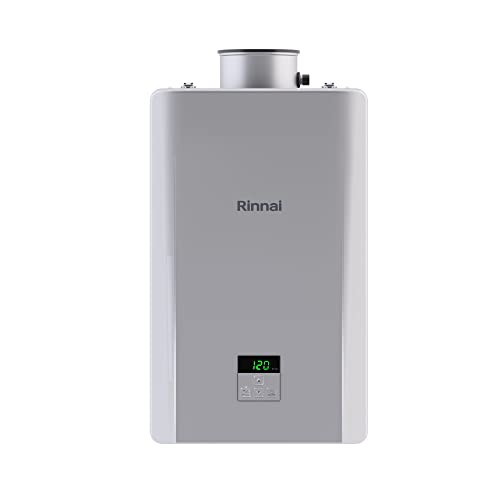
The REP199iN is an indoor tankless water heater model with a built-in Smart-Circ recirculation pump. It delivers up to 7.6 GPM and is designed for indoor use, pairing with Rinnai’s Smart-Circ system to optimize hot-water availability and energy efficiency. The compact form factor suits a variety of spaces, with support for WiFi-enabled control through compatible modules. This model emphasizes an integrated approach to hot-water recirculation, combining heater and pump functionality.
Key considerations:
- Indoor installation requires attention to venting and space constraints.
- Smart-Circ integration may require compatible control modules for WiFi control.
- Verify compatibility with existing gas supply and venting requirements for your home.
Buying Guide: Key Purchase Considerations For Circ Pumps
- Voltage and power source: Choose pumps that match your electrical supply (AC 110-120V, 220-240V, or DC 12V for solar setups). Consider energy use in relation to daily hot-water demand.
- Flow rate and head: Match the pump’s maximum flow (GPM) and head (feet or meters) to your home’s hot-water loop length, elevation, and number of fixtures served.
- Piping compatibility: Confirm inlet/outlet sizes (commonly 3/4″ NPT or 1/2″ connections) and threading to avoid leaks or adapters that add resistance.
- Material durability: In hot water environments, rust resistance and anti-corrosion treatments extend pump life. Brass connectors are common; check fittings.
- Noise and vibration: Look for low-noise models, especially for installations near living spaces. Consider mounting and isolation options to minimize disturbance.
- Control and smart features: Some models offer built-in recirculation logic or WiFi control. Determine whether automation improves convenience or just adds cost.
- Installation location: Indoor vs outdoor use depends on model. Outdoor units require weatherproofing and venting considerations for gas-fired systems.
- Maintenance and service life: Evaluate motor type (brushless vs brushed), service life estimates, and availability of spare parts or service support in your area.
- System integration: For tankless systems with built-in recirculation, ensure compatibility with your existing heater and control strategy to maximize energy savings.
Choosing the right circ pump depends on your heating method (solar, electric, or gas), your home size, and whether you prioritize energy efficiency or raw flow. The models listed above offer a spectrum of voltages, flow capacities, and installation options to fit common residential configurations while aiming to improve hot-water delivery and overall system performance.