Best Circular Saw Blades for Cutting Corrugated Metal for American Pros
When cutting corrugated metal or similar ferrous sheets, choosing the right circular saw blade is critical for clean cuts, reduced heat buildup, and longer blade life. The blades listed here are engineered for metal cutting with carbide or cermet teeth, designed to handle steel studs, angle iron, EMT conduit, and other steel sections. The following selections balance tooth design, kerf, RPM compatibility, and durability to help you achieve precise, efficient work on corrugated metal projects.
| Product | Brand | Teeth | Arbor | Approx. Max RPM |
|---|---|---|---|---|
| FOXBC 70 Teeth Circular Saw Blade | FOXBC | 70 | 5/8″ | 5800 |
| Echo Corner 5/8″ Arbor Metal Cutting Blade | Echo Corner | Unknown | 5/8″ | Unknown |
| Diablo D0748CF 48 Teeth Cermet II | Diablo | 48 | 5/8″ | Unknown |
| DEWALT 68-Tooth Metal Cutting Blade | DEWALT | 68 | 5/8″ | Unknown |
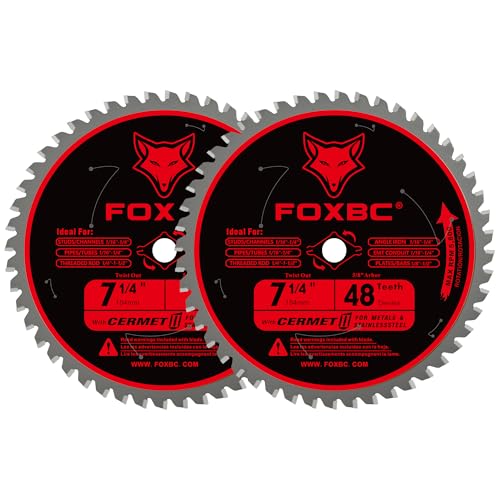
| FOXBC 48 Teeth Metal Cutting Blade (2 Pack) | FOXBC | 48 | 5/8″ | 5800 |
The following article highlights five top picks tailored for corrugated metal and related ferrous materials, comparing tooth geometry, coating, cooling benefits, and overall durability. Each blade is compatible with standard 7-1/4 inch circular saws, making them accessible for most tradespeople and DIY enthusiasts working with metal.
FOXBC 70 Teeth Circular Saw Blade

324 words
The FOXBC 7-1/4 inch circular saw blade with 70 ceramic carbide teeth is designed for cutting through metal and stainless steel. With a .075″ kerf and a 5/8″ arbor, it fits most standard 7-1/4″ saws and supports up to 5800 MAX RPM. The diamond knockout/opening improves dust removal and balance during operation, which helps maintain accuracy when cutting corrugated metal and metal studs. This blade excels on steel studs, channels, angle iron, EMT conduit, and thick wall sections. Its multi-material capability makes it a versatile option for framing metal roofs or punching through multiple layers of metal sheathing. Compatibility with both cordless and corded saws adds flexibility on job sites. Key considerations include ensuring your material thickness remains within the blade’s stated range and verifying saw compatibility with carbide-tipped blades for optimal performance.
Key features:
– 70 carbide teeth for fast, clean cuts
– Suitable for steel studs, angle iron, EMT conduit
– 5/8″ arbor; 5800 MAX RPM
– Diamond knockout for balance and cooling
– Works with cordless and corded circular saws
Echo Corner 7-1/4 Inch Metal Cutting Blade

298 words
Echo Corner’s 7-1/4 inch metal cutting blade uses a cermet carbide tip and ATB tooth arrangement designed for ferrous materials. The blade targets mild steel, angle-iron, sheet metal, and other tough metals, delivering faster, cleaner cuts with lower friction. The cermet alloy promotes long service life and improved heat resistance, reducing the risk of warping or discoloration on thin corrugated sheets. It is friendly for both corded and cordless circular saws and compatible with miter saws for cross-cutting tasks. While designed for ferrous applications, users should verify material thickness and ensure the cut path stays smooth and parallel to any corrugations to prevent chatter.
Key features:
– Cermet carbide tipped tooth for durability
– ATB tooth style supports clean ferrous cuts
– Suitable for mild steel, angle-iron, and tough sheet/plate
– Compatible with corded and cordless saws
Diablo D0748CF Cermet II Blade

356 words
Diablo’s Steel Demon D0748CF uses a Cermet II tooth design with a triple chip grind and Perma-Shield coating. This blade targets medium metal cutting with a 7-1/4″ diameter and 48 teeth. The Cermet II teeth are engineered for higher heat tolerance and increased hardness, enabling longer life versus standard grinding discs. The coating reduces friction and helps resist chips and corrosion, while the blade’s geometry supports cooler cutting and smoother finishes. The D0748CF is designed to deliver up to 10X faster cuts with a circular saw compared to traditional grinding discs, resulting in time savings on metal-cutting projects. It’s well-suited for corrugated metal where fast, clean, straight cuts are essential.
Key features:
– Cermet II teeth with triple chip grind
– Perma-Shield coating for durability and reduced friction
– Up to 10X faster cuts vs. grinding discs
– Cooler cutting performance for metal work
DEWALT 68-Tooth Metal Cutting Blade

296 words
DEWALT’s 7-1/4 inch blade with 68 teeth targets metal cutting applications with precision sharpened teeth for fast, smooth cuts and longer blade life. The improved blade coating resists rust and reduces friction, which helps maintain a cooler cutting temperature during long runs through corrugated metal and steel components. The thicker body design adds durability for heavy-duty cuts, including when working through steel studs or channels. This blade provides reliable performance across a range of metal thicknesses commonly encountered in framing and roof-assembly tasks. For safety, ensure proper PPE and secure clamping when cutting corrugated profiles to minimize kickback and blade wear.
Key features:
– 68 teeth for efficient metal cutting
– Rust-preventive coating and reduced friction
– Thick, durable body for heavy-duty use
– Fast, smooth, long-lasting cuts
FOXBC 48 Teeth Metal Cutting Blade (2 Pack)
296 words
This FOXBC blade pack features two 7-1/4 inch metal cutting blades with 48 carbide teeth and a .075″ kerf, compatible with a 5/8″ arbor and up to 5800 MAX RPM. The premium Japan ceramic teeth deliver high heat tolerance, increased hardness, and longer life relative to standard grinding discs. The long-life design suits repeated cuts through corrugated metal sheets, steel studs, and channel iron. The 48-tooth configuration can provide a balance of fast feed rates and a smoother finish on medium-thick metal, making it a practical choice for framing, ductwork, and panel installation projects. Consider using a slower feed rate to maintain control on thicker corrugations.
Key features:
– Two-pack for value and continuity of work
– 48 teeth; ceramic carbide teeth for durability
– High heat tolerance and wear resistance
– 5/8″ arbor; 5800 MAX RPM
Buying Guide: Key Purchase Considerations And Comparisons
- Tooth count and cut quality: Higher tooth counts (e.g., 68–70) generally yield smoother cuts in metal but can cut more slowly; lower counts (around 36–48) cut faster but with more burrs. For corrugated metal, a mid-to-high tooth count with carbide or cermet teeth often provides the best balance between speed and edge quality.
- Tooth material and grind geometry: Carbide-tipped or cermet blades resist heat better and maintain sharpness longer in metal cutting. ATB (Alternate Top Bevel) and triple chip grind patterns can improve cut quality on ferrous metals and reduce burrs on uneven corrugations.
- Coatings and cooling: Perma-Shield or similar coatings reduce friction and heat buildup, extending blade life. Consider blades engineered for cooler cuts when working on long runs through metal.
- Arbor compatibility and RPM rating: Most 7-1/4″ blades use a 5/8″ arbor and accept up to 5800–6000 RPM. Verify your saw’s RPM rating and ensure it matches the blade’s maximum RPM to prevent wear or failure.
- Application fit: For corrugated metal and steel framing, prioritize blades rated for ferrous metal. Blades designed for mild steel, channel iron, EMT conduit, and studs will yield cleaner edge finishes with less binding.
- Blade life vs. cost: While premium blades may be more expensive upfront, their longevity and cooler cuts can reduce replacement frequency and improve overall project speed.
- Safety: Always use eye protection, gloves, and a clamp-on work surface. Zigzag or wobble cuts can occur if the workpiece shifts; secure the sheet and maintain a steady feed rate.
In sum, the five blades highlighted here provide a spectrum of options—from high-teeth carbide blades for cleaner finishes to robust cermet options designed for long life under heavy metal cutting. When selecting a blade, consider your typical thickness, the work speed you require, and your saw’s compatibility to ensure an optimal cut through corrugated metal and related ferrous materials.