Best Clear Sealer for Cedar: Durable Outdoor Wood Protection Options
Finding the right clear sealer for cedar means balancing water resistance, natural color retention, and safety for outdoor spaces. This guide highlights five clear sealers suited for cedar and other woods, focusing on durability, ease of use, and plant- and consumer-safety considerations. Whether you’re sealing a cedar fence, raised garden bed, or a cedar deck, these products help protect against water damage while preserving the wood’s natural beauty. The table below summarizes why each option stands out for cedar projects and typical use scenarios.
| Product | Why It Stands Out | Best For | Caution |
|---|---|---|---|
| Thompson’s WaterSeal Clear Wood Sealer | Clear finish, blocks water, preserves natural color | Cedar decks, fences, and furniture | May alter texture slightly; reapplication needed over time |
| Garden Box Sealer by Seal It Green | Plant-based, FDA food contact safe, long-lasting | Raised beds, planters, cedar garden structures | Not ideal for heavy duty industrial coatings |
| Thompson’s Multi-Surface Waterproofer Stain | Clear stain with UV resistance for outdoor use | Exterior wood and concrete surfaces around cedar features | Results depend on surface prep and climate |
| SEAL-ONCE MARINE | UV-stable, water-based, marine-grade protection | Docks, decks, piers, retaining walls near water | Not for hardwoods such as ipe or teak |
| SEAL-ONCE NANO+POLY | Penetrating, ultra-low VOC, polyurethane finish | Decks, fences, log homes with long wear | Better for vertical and horizontal surfaces when reapplied correctly |
Thompson’s WaterSeal Clear Wood Sealer
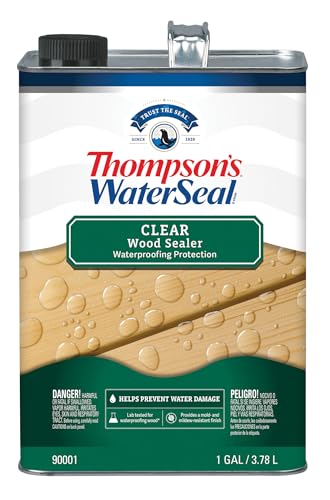
Product: Thompson’s WaterSeal Clear Wood Sealer, Clear, 1 Gallon
- Best for keeping cedar’s natural color while adding water resistance.
- Helps prevent water damage and can be used on multiple exterior surfaces beyond wood.
- Consider this option if you want a simple, clear coating that dries without tint.
Who it’s best for: Homeowners sealing cedar decks, fences, or outdoor furniture who want a clear finish with reliable water protection. Why chosen: It provides a clear sealer that maintains natural cedar tones. Limitation: May require reapplication as weathering occurs over seasons.
Garden Box Sealer by Seal It Green

Product: Garden Box Sealer | FDA Food Contact Safe Plant-Based Wood Sealant for Raised Bed, Planter & Pet House
- Best for cedar in garden beds and outdoor planters where plant safety matters.
- Deep penetration with natural oils helps protect wood fibers for years.
- Consider this option if you prefer a plant-based, non-toxic formula with a mild citrus scent.
Who it’s best for: Gardeners and pet owners sealing cedar raised beds or pet shelters who want a non-toxic, plant-based option. Why chosen: Long-lasting protection with a safety emphasis. Limitation: Some users may prefer a traditional solvent-based sealer for heavy-duty outdoor wear.
Thompson’s Multi-Surface Waterproofer Stain
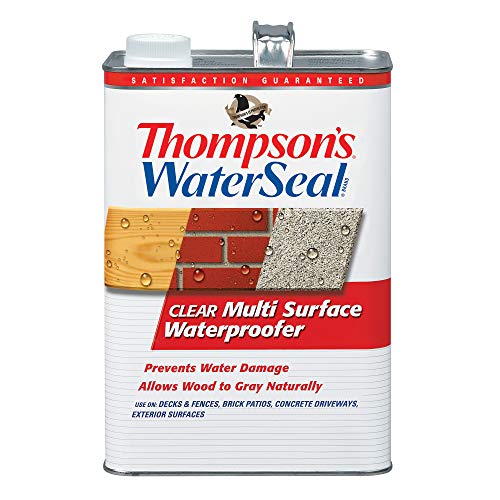
Product: Thompson’s WaterSeal Multi-Surface Waterproofer Stain, Clear, 1 Gallon
- Best for outdoor wood, concrete, and brick surfaces where a clear finish is desired.
- Clear stain that hides grain while preserving texture; includes UV fade resistance.
- Consider this if you want a versatile exterior sealer that still shows natural wood grain.
Who it’s best for: Exterior projects on cedar that need clear protection with color retention and UV resistance. Why chosen: It delivers a clear finish while offering durable waterproofing. Limitation: Finish may vary based on surface prep and weather exposure.
SEAL-ONCE MARINE

Product: SEAL-ONCE MARINE – 1 Gal Penetrating Wood Sealer, Waterproofer & Stain
- Best for cedar in high-moisture environments near water bodies.
- Water-based, ultra-low VOC, penetrates wood for long-lasting protection.
- Consider this if you need marine-grade protection without harsh solvents.
Who it’s best for: Cedar structures adjacent to water or in humid climates where moisture is persistent. Why chosen: Marine-grade formulation designed for continuous exposure to moisture and salt spray. Limitation: Not suitable for hardwoods such as ipe or teak.
SEAL-ONCE NANO+POLY

Product: SEAL-ONCE NANO+POLY Penetrating Wood Sealer with Polyurethane – 1 Gallon
- Best for high-traffic cedar surfaces that require long-lasting wear and a polyurethane-like finish.
- Penetrating sealant provides a durable, water-resistant shield with low VOCs.
- Choose this if you want a finishing layer that combines penetration with a protective topcoat.
Who it’s best for: Cedar decks, fences, and log homes where a robust, durable seal is preferred. Why chosen: Combines deep penetration with a polyurethane-style protection. Limitation: May be more challenging to apply evenly on very rough or porous cedar without proper prep.
Buying Guide
Key purchase considerations help narrow choices for cedar projects. Ask yourself: what’s the primary exposure (sun, rain, humidity, or proximity to saltwater)? Do you prefer plant-safe ingredients or industrial-strength coatings? How much maintenance are you willing to perform?
- Type of finish: Clear sealers preserve natural color; tinted stains enhance color and hide grain.
- Penetration vs. film-forming: Penetrating sealers protect wood fibers inside; film-forming coatings create a surface layer that can wear or peel over time.
- VOC and safety: Low-VOC formulas are better for indoor spaces and gardens; plant-safe options reduce risk to soils and wildlife.
- Durability and climate: Marine or high-durability sealers suit coastal or rainy climates; regular reapplication may be needed in harsh weather.
- Maintenance interval: Consider recoat frequency based on weathering, foot traffic, and sun exposure.
- Surface prep: Clean, dry wood and proper surface preparation improve adhesion and longevity of any sealer.
Practical application tips
- Test a small cedar area first to observe color and absorption.
- Apply in dry conditions with temperatures within product guidelines.
- Follow manufacturer directions for coats and dry times to avoid blotching or streaks.
FAQ
- Q: Is a clear cedar sealer better than a tinted stain? A: Clear sealers preserve natural cedar color; tinted stains can enhance tone and provide more UV protection.
- Q: How often should cedar be resealed? A: Reapplication depends on climate, exposure, and product type; typical intervals range from 1 to 3 years.
- Q: Can I seal cedar with a marine-grade product inland? A: Yes, but consider indoor- or garden-use safety and VOC guidelines; ensure it’s appropriate for non-marine environments.
- Q: Are plant-based sealers as durable as solvent-based ones? A: Plant-based options can be durable and safer, but longevity may vary with weather and sun exposure.
- Q: Should I seal cedar before building a garden bed? A: Sealing raised beds is possible, especially with plant-safe products; ensure the finish won’t leach harmful substances into soil.
- Q: What’s the difference between penetrating and film-forming sealers? A: Penetrating sealers protect wood fibers inside; film-forming coatings create a surface layer that can wear or peel.