Best Commercial Log Splitter for Heavy-Duty Firewood Tasks
For professional-grade wood splitting, choosing the right commercial log splitter means balancing power, mobility, and safety. This guide highlights five top options from BILT HARD and one versatile model from WEN, focusing on reliability, towing capability, and dual-position operation to tackle hardwoods and large logs. Each product section includes a quick-at-a-glance reference to help you compare performance, mobility, and design features at a glance.
Product Summary
| Product | Ton Capacity | Engine / Power | Mobility | Positioning |
|---|---|---|---|---|
| BILT HARD 40-Ton Gas Powered | 40 | 389cc OHV, 13 HP | Towable with 16″ DOT tires, 2″ ball coupler | Horizontal/Vertical (Dual-Position) |
| BILT HARD 30-Ton Horizontal/Vertical | 30 | 223cc OHV, 7.5 HP | Towable via hitch, 16″ DOT tires | Horizontal/Vertical |
| BILT HARD 35-Ton Horizontal/Vertical | 35 | 301cc OHV, 10 HP | Towable, 16″ DOT tires | Horizontal/Vertical |
| BILT HARD 20-Ton Gas Log Splitter | 20 | 209cc OHV, 7 HP | Towable hitch design | Horizontal/Vertical |
| WEN Electric 6.5-Ton Splitter | 6.5 | 15 Amp electric motor | Portable stand included | Horizontal only |
BILT HARD 40-Ton Gas Powered Log Splitter

Powerful splitting is at the core of this model. It delivers 40 tons of force with a 389cc, 13 HP single-cylinder OHV engine, enabling fast, efficient processing of hardwoods. The full-beam design supports heavy-duty cycles and long sessions, making it suitable for professional crews. A dual-position operation lets users switch between horizontal and vertical splitting in seconds, reducing operator strain during prolonged use.
Mobility is engineered for remote sites: 16-inch DOT tires and ATV/UTV hitch compatibility with a 2-inch ball coupler and 24-inch safety chains. Tow speeds of up to 45 MPH enable quick relocation between job sites, while the rugged frame supports repeated transport and demanding workloads.
Key features include: high-torque engine, dual-position operation, and stable towing. This model is built for commercial tasks that require raw power and dependable performance across varied terrains.
BILT HARD Full Beam 30-Ton Logger

This 30-ton unit offers a balanced mix of power and maneuverability. Powered by a 223cc OHV engine, it delivers ample splitting force for hardwoods while remaining manageable for daily use. The dual-position capability enables horizontal and vertical operation to minimize strain when handling oversized logs. DOT-certified 16-inch tires and a 2-inch ball coupler with safety chains enable convenient trailering to the worksite, making it a practical option for crews that move between locations frequently.
With reliable hydraulic performance and thoughtful design, this splitter supports high-output work without sacrificing operator comfort. The integrated towing features help crews reach remote job sites quickly, while the vertical mode is a notable benefit for heavier, awkward logs.
BILT HARD 20-Ton Gas Log Splitter

Tailored for medium to heavy-duty work, this 20-ton gas splitter pairs a 209cc OHV engine with a 2-stage gear pump for solid splitting performance. It can tackle logs up to 21 inches long and 12-14 inches in diameter with a cycle time around several seconds, speeding up repetitive tasks. The towable design and 2-in-1 support allow easy transport and stable operation across job sites, making it suitable for commercial crews that split frequently on varied terrain.
Durability is emphasized through a robust steel wedge and hydraulic components designed for consistent cycles. This model balances power and portability, enabling efficient handling of sizeable workloads without excessive downtime.
WEN Electric Log Splitter With Stand
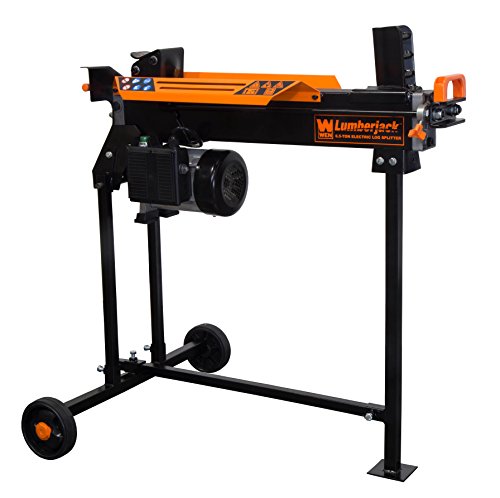
Electric operation offers a clean, quiet alternative to gas-powered units, ideal for indoor or garage use. The 6.5-ton capacity is suitable for comfortable splitting of logs up to 9.8 inches in diameter and 20.5 inches long. A 15-amp motor provides reliable power with near-zero emissions, and the included stand enhances ergonomics and stability during operation. Two-hand safety controls reduce operator risk, making it a practical option for smaller crews or mixed-use settings.
Mobility is straightforward with a portable stand and wheels, allowing easy transport between jobsites or storage locations. While not as high-powered as gas models, this unit excels in environments where fumes, noise, and emissions must be minimized.
Buying Guide: Key Considerations For Choosing A Commercial Log Splitter
Selecting the right commercial log splitter involves assessing task scale, site conditions, and operator safety. Consider the following perspectives to guide your decision:
- Power and capacity: Higher-ton models handle tougher hardwoods, but require more fuel and maintenance. For frequent heavy-duty tasks, 30–40 ton units deliver productivity with robust build quality.
- Fuel vs. electric: Gas power provides raw splitting force and portability to remote sites, while electric units shine in indoor environments or controlled spaces with lower noise and emissions.
- Mobility and towing: If crews move between sites, look for units with DOT tires, towing hitches, and safety chains. A stable tow allows rapid deployment and reduces downtime.
- Dual-position operation: Vertical capability helps with heavy logs that are hard to lift. Horizontal operation remains efficient for the majority of standard splits.
- Durability and maintenance: Steel frames, quality hydraulic components, and user-replaceable wedges extend service life in commercial settings.
- Safety features: Dual-hand controls, secure wedge guards, and reliable kickout mechanisms minimize operator risk and improve compliance with workplace safety standards.
- Footprint and storage: Consider the space requirements for operation, maintenance, and storage. Taller units may need more clearance for vertical splitting.
- Operating environment: For indoor use, prioritize quieter electric models; for remote job sites, gas-powered machines offer better field performance.
When evaluating options, compare the total cost of ownership, including fuel, maintenance intervals, and downtime. Look for models with spare parts availability and accessible service networks to reduce long-term expenses.
Across the selections presented, the 40-ton gas unit stands out for peak capability and mobility on challenging sites. The 30-ton and 35-ton variants provide strong dual-position performance with substantial log handling. The 20-ton gas model offers a balanced mix of force and portability, while the electric WEN unit serves situations prioritizing emissions control and indoor use. Each option aligns with professional needs, enabling efficient, safer wood processing across varied work environments.