Best Composting Toilets for Tiny Homes
Choosing the right composting toilet for a tiny home can improve comfort, hygiene, and water conservation. This guide highlights five reliable options designed for off-grid living, tiny houses, vans, and RVs. Each product section provides a concise overview of key features, benefits, and what to consider when selecting the best fit for your space.
| Product | Brand | Notable Features |
|---|---|---|
| OGO™ Compost Toilet | OGO | Urine separation, odor control, 25-30 uses solids, 2.4 gal urine bottle |
| Composting Toilet (LECARDIO) | LECARDIO | Rapid composting tech, odor control via exhaust, heating plate for cold/damp |
| Separett Villa | Separett | Urine-separating, high-capacity design, no additives |
| Modiwell Dry Flush Toilet | modiwell | Waterless, odor-free, self-contained, up to 350 lbs |
| Cuddy Composting Toilet (Compo Closet) | Compo Closet | Odor-free, self-contained, 3.9 gal capacity, 12V fan |
OGO Compost Toilet With Urine Separation
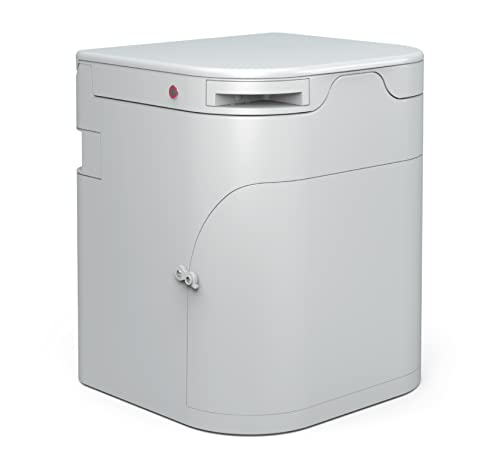
Brand: OGO
Features highlight odorless separation function, no chemicals or water use, and independence from dump stations. The unit is manufactured in Ohio, USA, with a clean, rugged design and a stated load capacity of up to 550 lbs. A removable solids bin and a urine bottle simplify emptying and cleaning. Waste capacity estimates indicate 25-30 solid uses and a 2.4-gallon urine bottle, making it suitable for compact living spaces where plumbing is limited.
LECARDIO Composting Toilet For Tiny Homes

Brand: LECARDIO
The LECARDIO unit emphasizes rapid composting through a microbial package that enables actual composting within the toilet. An exhaust fan reduces odors during use, venting outdoors for a odor-free bathroom. A heating plate helps maintain conditions favorable to composting in cold and damp environments, enhancing performance where temperature and humidity vary.
Separett Villa Urine-Separating Toilet

Brand: Separett
Designed for off-grid and compact spaces, Villa provides urine separation with no need for additives or mixing. It supports high-capacity use in tiny homes, schoolies, cottages, and similar setups. The absence of water usage aligns with off-grid living, while the urine-diverting design helps manage waste and odors without extra maintenance.
Modiwell Dry Flush Toilet

Brand: modiwell
A rechargeable, waterless option that uses a dry-flush mechanism to seal waste into waste bags with one-click flushing. It emphasizes odor control, environmental friendliness, and portability. The unit supports up to 350 lbs and is built with durable stainless steel legs, making it a solid choice for heavier individuals in mobile or compact spaces where traditional toilets aren’t feasible.
Cuddy Composting Toilet (Compo Closet)

Brand: Compo Closet
Self-contained and designed for RVs, vans, boats, and tiny spaces, Cuddy emphasizes odor-free operation with a built-in fan and filter. The system uses a manual mixer to promote airflow and balance, while a sealed liquids bottle and no-spill valve help manage liquids and solids separately. Its 3.9-gallon solid waste capacity makes it suitable for frequent use in mobile environments.
Buying Guide: Key Purchase Considerations For Tiny Homes
- Waste separation vs. mixing: Decide if you prefer urine separation (reduces odors and simplifies disposal) or a self-contained system that handles all waste together. Separation often requires more thoughtful design but can improve hygiene and odor control in tight spaces.
- Odor control mechanisms: Look for built-in fans, filters, and sealed systems. Quiet operation is a plus in small interiors where noise can be disruptive.
- Water usage and plumbing: Waterless options save space and avoid plumbing requirements, while water-using models may be more familiar but require graywater handling and more space for plumbing.
- Power and maintenance: Battery or USB-powered fans, heating components, and automated features affect maintenance and energy needs in off-grid settings.
- Waste capacity and disposal: Consider solid waste capacity and ease of emptying. Larger capacity reduces frequency of maintenance in busy tiny homes, while easy-discard designs save time.
- Installation flexibility: Compact footprint, flush-fit options, and freestanding configurations matter for readers with nonstandard floor layouts.
- Portability vs. permanence: For vans or boats, a portable or self-contained unit may be preferable. For stationary tiny homes, integrated solutions can offer higher reliability.
- Temperature sensitivity: Some models include heating plates or temperature controls, important for cold climates to sustain composting activity.
- Materials and durability: Look for sturdy construction and corrosion-resistant components to withstand travel, vibration, and long-term use.
Each featured model addresses common tiny-home needs—odor management, compact design, and ease of maintenance—while offering distinct approaches to waste handling and environmental conditions. When choosing, balance your living pattern, off-grid capabilities, and preferred maintenance level to select the most suitable system for your space.