Best Covers for Foundation Vents: Durable Crawl Space Solutions
The top options below are aimed at buyers seeking durable, easy-to-install vent covers for crawl spaces, foundations, garages, and attics. Each product is evaluated for fit, ease of use, and protection against moisture, pests, and temperature changes. This guide highlights who benefits most from each choice and why. Use the quick reference table to compare key points at a glance.
| Product | Best For | Opening Size Fit | Key Benefit |
|---|---|---|---|
| Crawl Space Recessed Foundation Vent Cover | Rigid openings with precise recess fit | 8″ H x 16″ W openings (internal 7-3/4″ x 15″, external 9-3/4″ x 17-1/4″) | Solid ABS, non-opening design for lasting seal |
| ZXQDRE Automatic Crawl Space Vent | Hands-free climate control | 8×16″ openings | Automatic open/close based on temperature; energy saving |
| Foundation Vent Cover with Damper & Screen (JIANBENKJ) | Moisture regulation with airflow control | 16″ x 6.5″ rough opening | Damper and screen for insect control and airflow control |
| 2-Pack 16×8 Foundation Vent Covers (Vechor) | Two-pack value with adjustable damper | Usually 16″ x 8″ openings | Smooth lever for open/close, durable carbon steel |
| RazAir Foundation Vent with Damper | Budget-friendly, easy to install | 16″ x 6.5″ style | Moisture control with insect screen |
Note: Always measure your vent opening before ordering to ensure a proper fit. The table above summarizes where each product excels and where considerations may apply, helping you choose the best vent cover for your climate, pest prevention needs, and installation preferences.
Crawl Space Recessed Foundation Vent Cover

This vent cover is designed to recess into 8″ H x 16″ W openings with a solid ABS construction and a non-opening design. Best for buyers who want a clean, flush appearance and a durable seal behind the opening. Internally measures 7-3/4″ x 15″ and externally 9-3/4″ x 17-1/4″, with an inside depth of 1-1/4″. Installation involves fastening or adhesive from inside the opening after removing the old vent. Not included: fasteners or adhesive. Choose this if you need a precise fit that sits inside the opening and prioritizes a sealed, non-venting look.
Best for: Homeowners with standard 8″ x 16″ crawl space openings seeking a recessed, sealed appearance. Caution: Ensure old vent removal and fastener/adhesive availability before installation.
ZXQDRE Automatic Crawl Space Vent 8×16

This vent uses automatic temperature control to fully open at 70°F and close at 40°F, without electricity. It’s built to be durable and weather-resistant with high-density polyethylene and corrosion-free metal parts. Best for buyers seeking hands-free ventilation and energy savings in unheated spaces. Fits standard 8×16″ openings, with simple screws for DIY installation. A potential limitation is the dependence on ambient temperature for operation, so extremely mild climates may see less dramatic cycling.
Best for: Regions with wide temperature swings where automatic cycling helps protect pipes and control humidity. Caution: Not a plug-in system; performance is temperature-driven.
Foundation Vent Cover With Damper (JIANBENKJ)
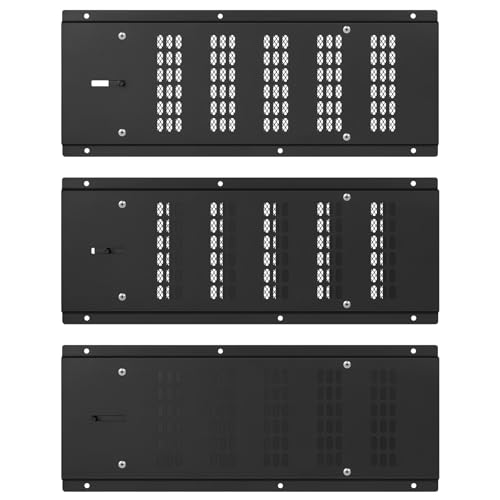
Designed for 16″ x 6.5″ rough openings, this vent includes a damper and screen to regulate airflow and block small animals. It’s a practical choice for crawl spaces, garages, and attics where weather dictates airflow. The damper lever enables easy seasonal adjustment, keeping moisture in check while retaining heat during colder months. Best for homeowners who want adjustable airflow without removing the vent cover. A limitation is the 16″ x 6.5″ sizing; confirm your rough opening matches the listed dimensions.
Best for: Open-air crawl spaces that require seasonal airflow control and pest prevention. Caution: Measure rough opening to ensure compatibility before purchase.
2-Pack 16×8 Foundation Vent Covers (Vechor)

This is a two-pack option designed for standard 16″ x 8″ rough openings. Each unit features a smooth-gliding lever for opening in spring/summer and damper closure in winter. Made from durable carbon steel with a tightly woven mesh to block insects and rodents and to act as an ember inhibitor during severe weather. Best for buyers seeking value and straightforward operation across multiple openings. A caveat is that metal construction can require periodic maintenance to prevent corrosion in harsh climates.
Best for: Homes with multiple 16″ x 8″ openings or a need for a cost-efficient pair. Caution: Check for any local corrosion considerations in coastal or humid areas.
CrawlSpace-DIY Polyethylene Foam Block Sheet

This 8.25″ x 16.25″ x 1″ polyethylene foam block is cut-to-fit and highly adaptable for sealing or cushioning per your needs. It’s soft, tear-resistant, and lightweight, suitable for various DIY applications, not limited to vent sealing. Best for buyers who want a customizable, low-cost solution and plan to cut the block to fit irregular openings. Limitation: not a dedicated vent cover; it must be integrated into a broader sealing strategy.
Best for: DIYers requiring flexible sizing and lightweight protection. Caution: Not a stand-alone vent cover; verify surrounding ventilation requirements.
RazAir Foundation Vent with Damper

This vent features a moisture-reducing design with a simple damper and screen; the mesh also acts as an ember inhibitor and keeps insects out. It’s designed for crawl spaces, outdoor areas, garages, and home improvements. Best for buyers who want a quick, easy-to-install option with basic airflow control and insect protection. A potential limitation is that it may not fit all rough openings without checking exact dimensions.
Best for: Quick, budget-conscious installations needing moisture management and easy operation. Caution: Confirm opening size matches the product’s specified dimensions.
Buying Guide
What opening size do you have? Choose products that explicitly match your rough opening (common sizes include 8×16, 16×6.5, and 16×8). Do you need automatic control or simple dampers? Automatic vents save energy but may require a climate-appropriate setup. Is pest prevention a priority? Look for screens, dampers, and durable materials like ABS, carbon steel, or HDPE. Do you prefer DIY installation or professional help? Some units install from inside, while others are exterior replacements. Consider durability in your climate, including humidity, salt exposure, and temperature extremes.
Material and build: ABS plastic is durable and low-maintenance; carbon steel with mesh offers strong pest protection but may require maintenance. Installation method matters: inside-fit covers may require removal of old vents; outside-fit models may need different mounting approaches. Budget and multi-opening needs: multi-pack options offer value for homes with several vents, such as 16×8 openings.
Installation tips: measure opening accurately, remove existing vent if needed, and follow manufacturer guidance for fasteners or adhesives. For dampened or automatic models, verify that the system operates within your climate and aligns with seasonal usage patterns.
FAQ
- How do I measure my crawl space vent opening? Measure the rough opening height and width, then compare to the vent’s listed internal and external dimensions to ensure a proper fit.
- Are automatic crawl space vents energy-efficient? Yes, automatic vents open and close based on temperature, reducing heat loss in winter and moisture buildup in warmer months.
- Can vent covers prevent pests? Many vent covers use screens or mesh to block insects and rodents while allowing airflow.
- Do vent covers require professional installation? Some are designed for DIY installation with basic screws or adhesive, while others may require more involved mounting.
- Will vent covers affect freeze protection? Damper and damper-lever designs help retain heat in winter, potentially reducing pipe freezing risk when used correctly.
- What should I avoid when selecting vent covers? Avoid covers that do not fit your opening, lack a damper or screen when those features are needed, or require incompatible mounting methods for your foundation.