Best Cut Off Tool for Professionals and DIY Projects
Cut off tools are essential for fast, precise metal and material removal. This guide highlights top options, from compact cordless units to powerful air-powered cutters, helping you choose the right tool for your project, budget, and workflow. Each pick balances performance, safety features, and ease of use for American workshops and job sites.
| Product | Brand | Power Type | Key Benefit |
|---|---|---|---|
| DEWALT 20V MAX XR Cut Off Tool | DEWALT | Cordless (Brushless) | Bright LED and versatile wheels for multiple materials |
| Milwaukee M12 FUEL 3″ Compact Cut Off Tool | Milwaukee | Cordless (Gas-like power) | Compact, portable with high performance |
| RYOBI ONE+ HP 18V Cut Off Tool | RYOBI | Cordless | Lightweight and easy to maneuver |
| Makita XCM01Z 18V Brushless Cut Off Tool | Makita | Cordless | High RPM and one-handed operation |
| PROSHI 3-Inch Air Cut-Off Tool | PROSHI | Pneumatic | High-speed air cutter with adjustable airflow |
Note: The selected products span cordless, compact, and air-powered options to accommodate indoor workshops, outdoor sites, and garage setups. The list emphasizes durability, speed, and control, while avoiding price specifics to keep the focus on performance and suitability for various tasks.
DEWALT 20V MAX XR Cut Off Tool

The DEWALT DCS438B model features a brushless motor delivering efficient performance with a compact design suitable for tight spaces. It comes with multiple wheel options, including bonded abrasive, diamond multi-material, and diamond tile wheels, broadening its material cutting range. The integrated LED work light improves visibility in dark work areas, a practical feature for overhead or enclosed projects. This bare tool focuses on durability and battery efficiency for extended use in professional settings.
SHALL 3 Inch High-Speed Cut Off Tool

The SHALL cut off tool operates at 24,000 RPM with a 3.5-amp motor, delivering fast cutting capacity for steel, inox, and PVC. It uses a robust insulation design for safety and stability and includes multiple wheels for varied applications. A recommended runtime practice is to pause after extended use to prevent overheating, extending tool life on demanding projects.
Milwaukee M12 FUEL 3″ Compact Cut Off Tool Kit

Powered by a 12V battery system, this Milwaukee compact cut off tool blends power and portability. The kit configuration typically includes a 4 Ah battery and charger, offering reliable runtime for small to medium tasks. Its design emphasizes ergonomic handling and streamlined swappable blades, making it suitable for on-site metalworking and light fabrication work where mobility matters.
RYOBI ONE+ HP 18V Brushless Compact Cut-Off Tool
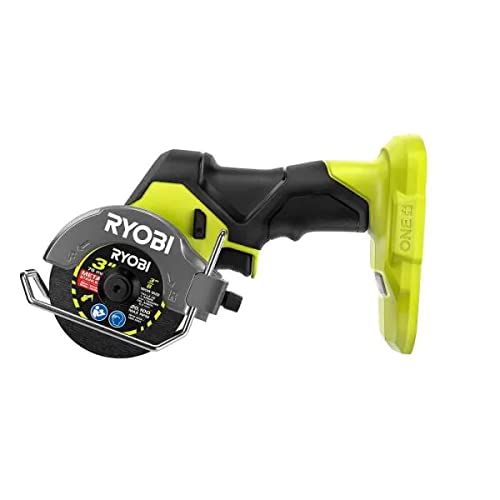
RYOBI’s 18V brushless cut-off tool provides a balance between weight and power, part of the ONE+ ecosystem for compatibility with many batteries. It emphasizes ease of use with a comfortable grip, enabling extended operation with less user fatigue. The platform supports a broad array of blades for metal and non-metal materials, making it a versatile choice for hobbyists and small shops.
Makita XCM01Z 18V Brushless Cut-Off Tool

Makita’s XCM01Z delivers a high-performance brushless motor capable of up to 20,000 RPM, enabling faster cuts. The tool is designed for one-handed operation and features a conveniently located switch for forward and reverse control, enhancing versatility on metalworking tasks. Its lightweight form supports extended use in overhead or tight installations while maintaining cutting speed and accuracy.
PROSHI 3-Inch Air Cut-Off Tool
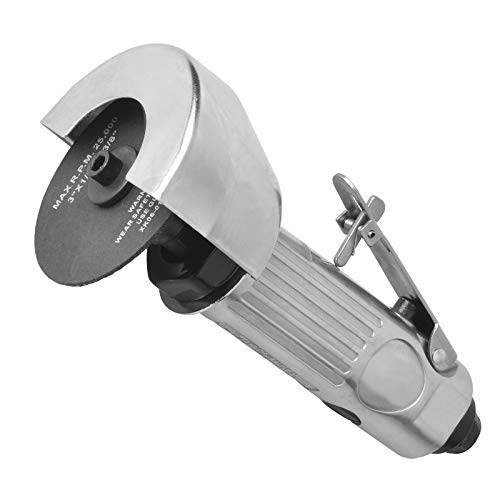
PROSHI’s 3-inch pneumatic cut-off tool operates at up to 18,000 RPM, delivering rapid material removal for metalworking, grating, and fabrication. The tool includes an adjustable airflow system allowing operators to tailor speed and cooling according to the material. Its rugged design suits automotive, construction, and workshop environments where air power is readily available.
Buying Guide: Key Purchase Considerations
- Power and Type: Cordless options (e.g., DEWALT, Milwaukee, Makita, Ryobi) offer mobility for on-site work, while air-powered tools (PROSHI) provide continuous high-speed cutting without battery constraints, ideal for shop environments.
- RPM and Torque: Higher no-load RPM translates to faster cuts on thinner materials; however, torque and blade compatibility must suit your typical material mix (steel, aluminum, tile, PVC).
- Blade Compatibility: Look for tools that support a range of wheels (bonded abrasive, diamond, tile) to expand use cases from metal cutting to tile work.
- Weight and Ergonomics: Lightweight, one-handed operation reduces fatigue during longer sessions; consider tool balance in relation to your grip and control needs.
- Safety Features: LED work lights, blade guards, and overload protection (as seen in smart tool ecosystems) help maintain accuracy and reduce risk during operation.
- Battery Platform and Runtime: If choosing cordless, ensure you have a compatible battery ecosystem with adequate runtime for your project scale; kit inclusions (charger, extra batteries) affect value.
- Maintenance and Durability: Brushless motors typically offer longer life and efficiency; pneumatic tools rely on a steady air supply and require regular lubrication and filter checks.
- Intended Use Case: For tight spaces and overhead work, compact or low-profile designs are advantageous; for heavy metal cutting, higher-power models provide faster throughput.
When selecting a cut off tool, consider the most frequent materials you will encounter, the environment of use (shop vs. job site), and whether battery life or continuous air supply better suits your workflow. Balancing these factors helps identify the best overall tool for your specific cutting tasks, whether you’re fabricating, repairing, or performing routine metalwork.