Best Felt Underlayment for Roofing: Top Picks for American Homes
Answering the common buyer question “which felt underlayment should I choose for roofing?” this guide highlights five durable, install-friendly options. Each product is evaluated for type, best-use scenarios, and potential limitations. Ideal for homeowners, roofers, and DIY enthusiasts, these selections emphasize moisture protection, ease of installation, and long-term performance on common American roof types.
Summary of chosen products:
| Product | Brand | Type / Size | Best For |
|---|---|---|---|
| GAP Roofing Black 216 sq. ft. #30 Roofing Felt | GAP | #30 Roofing Felt, 216 sq. ft. | Budget-friendly, standard felt underlayment |
| INTERWRAP Roofing Felt Repl 42 in x 286 ft | INTERWRAP | Synthetic, 42″ x 286 ft | Heavy-duty, high coverage, mold resistance |
| DuPont Roof Protector Roofing Underlayment Roll – 42″ x 286′ | DuPont | Four-layer synthetic underlayment, 42″ x 286′ | Durable, strong grip with moisture barrier |
| Grace Select 36 in. x 195 sq. ft. Roll | GRACE | Self-adhered, 36″ x 195 sq. ft. | Self-sealing, lightweight and easy to handle |
| FT Synthetics Silver Synthetic Roofing Underlayment | FT Synthetics | 42″ x 286′ roll, 10 mil | Lightweight, recyclable, slip-resistant |
GAP Roofing Black 216 sq. ft. #30 Roofing Felt

Best for: Budget-conscious projects with standard roof decks. This traditional felt offers straightforward moisture protection and is widely compatible with typical asphalt shingle installations.
Why selected: It provides a reliable, economical option for many residential roofs and is easy to source. Its US-made status can be advantageous for buyers prioritizing domestic manufacturing.
Caution: Not a synthetic underlayment; may be more prone to wrinkling or tearing in extreme weather compared to advanced synthetics. Consider storage and stock in cooler conditions to reduce warping.
INTERWRAP Roofing Felt Repl 42inx286ft

Best for: Roofs with steep slopes or where higher coverage per lap matters. Synthetic construction adds durability and moisture resistance for challenging climates.
Why selected: It replaces traditional felt with a stronger, wider, lighter option that lays flat, resists water absorption, and reduces installation time per square. Meets various ASTM standards, which supports reliability on many projects.
Caution: Some buyers should verify compatibility with existing roofing systems and confirm local code acceptance of synthetic underlayments in their area.
DuPont Roof Protector Underlayment Roll
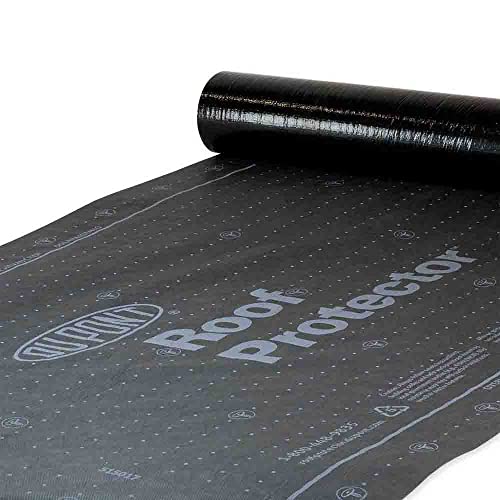
Best for: Attic and roof deck projects requiring a robust secondary moisture barrier with strong grip and tear resistance.
Why selected: Four-layer construction provides grip, water barrier, and durability, making it suitable for challenging installs and longer-lasting protection. The top grip layer helps installers walk securely on the roof.
Caution: Heavier than some alternatives; may require more effort during handling and placement for smaller projects.
Grace Select 36 in. x 195 sq. ft. Roll
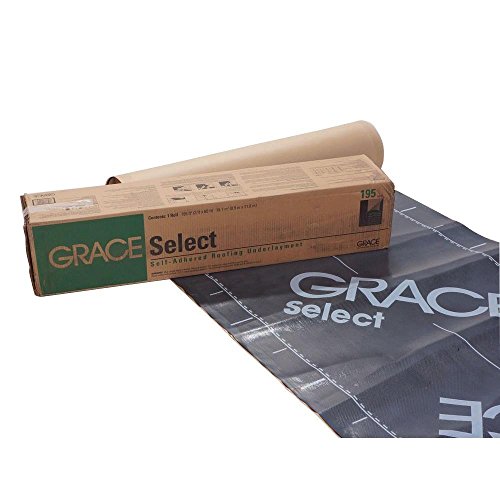
Best for: Quick, lightweight installations where self-adhesion simplifies application and reduces installation time.
Why selected: Self-adhered and self-sealing features minimize secondary sealing steps. It’s easy to handle, suitable for DIY roof retrofit projects and light commercial work.
Caution: Self-adhesive products can fail to seal perfectly in very cold or extremely humid environments if not properly pressed and rolled during installation.
FT Synthetics Silver Synthetic Roofing Underlayment

Best for: Eco-conscious builders seeking recyclable materials with strong grip and UV resistance for longer seasonal exposure.
Why selected: Lightweight, recyclable polyolefin construction with dual-sided slip resistance helps installers work safely in varied weather. Its 91-day UV exposure tolerance supports longer outdoor exposure during installation.
Caution: As with many synthetic underlayments, ensure compatibility with your chosen roofing system and local code requirements before use.
Buying Guide: Key Considerations For Felt Underlayment
What type works best for my roof?
Traditional asphalt-saturated felt (often labeled #15 or #30) offers basic moisture control and lower cost, suitable for standard residential roofs. Synthetic underlayments provide superior tear resistance, UV stability, and better resistance to moisture migration, making them preferable for steeper pitches and complex roof lines.
Self-adhesive vs. laid-over options
Self-adhesive underlayments simplify installation and reduce the need for nails or staples. They seal around fasteners and resist wind uplift. Non-adhesive options may require additional sealing measures but can be cost-effective for simple projects.
Weather and climate considerations
In hot climates, UV resistance and heat stability matter to prevent premature breakdown. In cold regions, flexibility and adhesive performance in low temperatures are important to avoid seaming issues.
Installation feasibility and weight
Wider rolls save time and reduce laps, but they are heavier to handle. Consider ladder access, roof pitch, and crew experience when choosing roll width and weight.
Code compliance and warranties
Check local building codes for acceptable underlayment types. Some regions favor synthetic products for specific roof systems. Warranty coverage varies by brand and product family and can impact long-term maintenance planning.
Durability vs. cost
Budget-friendly felt may suffice for basic homes, but higher durability underlayments deliver better performance against wind-driven rain, moisture infiltration, and longer service life, especially on steeper or more exposed roofs.
Installation tips for better performance
- Follow manufacturer guidance for nailing or adhesing sequences and overlap widths.
- Store rolls in a dry area to prevent edge curl or moisture damage before installation.
- Use a roof harness or fall-protection when working on steep pitches for safety and stability.
FAQ: Quick Answers For Buyers
- What is the main difference between traditional felt and synthetic underlayment?
Traditional felt offers basic moisture protection and cost efficiency, while synthetic underlayments provide greater tear resistance, lighter weight, and improved weather resilience.
- Is self-adhesive underlayment better than nailed-on options?
Self-adhesive underlayments can reduce installation time and improve seal integrity around fasteners, but may be less forgiving in very cold conditions if not applied correctly.
- Can underlayment affect roof warranty?
Yes, some manufacturers require specific underlayment types or installation methods to maintain warranty coverage. Always confirm with the roofing system manufacturer.
- Which underlayment is best for steep roofs?
Synthetic, wider rolls with strong grip are typically better for steep slopes due to reduced laps and enhanced safety during installation.
- How should underlayment be stored before installation?
Keep rolls in a dry, shaded area to prevent moisture damage and edge curling. Avoid exposing rolls to direct heat for extended periods.
- Is recycled content important in underlayment?
Recycled content can be favorable for sustainability-minded projects, and some products emphasize recycled fibers or recyclable materials without compromising performance.