Best First Table Saw: Top Picks for New Hobbyists and Professionals
Choosing a first table saw involves balancing portability, safety, power, and accuracy. The following selections emphasize ease of use, reliable racks and pinion fences, and solid cut quality suitable for beginners or occasional builders. Each option is explained with key features, performance notes, and how it fits typical entry-level shop needs.
The table below highlights five strong choices from the list, focusing on beginner-friendly setups, foldable stands, and consistent fence alignment to help newcomers start accurate projects quickly.
| Product | Brand | Key Features |
|---|---|---|
| DEWALT DWE7491RS 10-Inch Table Saw With Rolling Stand | DEWALT | Rack & Pinion fence, 32-1/2″ rip, rolling stand |
| SKIL TS6307-00 10-Inch Portable Jobsite Table Saw | Skil | Rack and pinion fence rails, folding stand, blade parallel alignment |
| SKIL TS6308-00 8-1/4-Inch Compact Table Saw | Skil | Compact footprint, rack and pinion fence, wide rip capacity |
| DEWALT DWE7485 8-1/4-Inch Compact Table Saw | DEWALT | 24.5″ rip capacity, portable design, rack & pinion fence |
| BOSCH GTS15-10 Portable Table Saw | Bosch | Gravity-Rise stand, 32-1/8″ rip, 15A motor |
DEWALT DWE7491RS 10-Inch Table Saw With Rolling Stand

The DEWALT DWE7491RS combines a robust rack-and-pinion telescoping fence with a rolling stand for mobility. The 32-1/2 inch rip capacity supports larger sheet materials, and the stand system is designed for quick setup and breakdown. This model targets builders who value fast fence adjustments, accurate alignment, and the convenience of moving a fully ready saw around a workspace or job site. Safety features and dust collection considerations are commonly discussed by users as well.
SKIL 15 Amp 10-Inch Portable Jobsite Table Saw TS6307-00
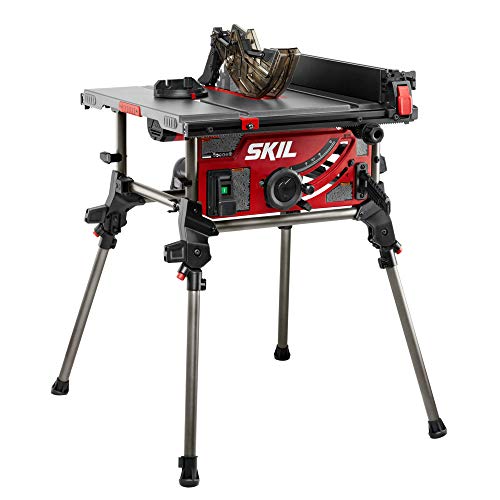
Skil TS6307-00 offers portable operation with a foldable stand, making it an attractive first choice for buyers who need easy transport between sites or a compact shop footprint. Its rack-and-pinion fence rails help keep the fence parallel to the blade for dependable cuts. The integrated stand folds for storage, and users can micro-adjust blade alignment to ensure the blade runs true to the fence and miter slot, which supports accurate cross-cut and ripping work in a budget-friendly package.
SKIL 15 Amp 8-1/4-Inch Compact Table Saw TS6308-00

This compact model from Skil emphasizes space efficiency without sacrificing essential functionality. It includes rack-and-pinion fence rails and a substantial rip capacity relative to its size, enabling users to work with larger sheet materials even in small shops. The design aims to balance portability with consistent fence alignment for accurate cuts.
SKIL 10 Inch Heavy Duty Worm Drive Table Saw SPT99-11
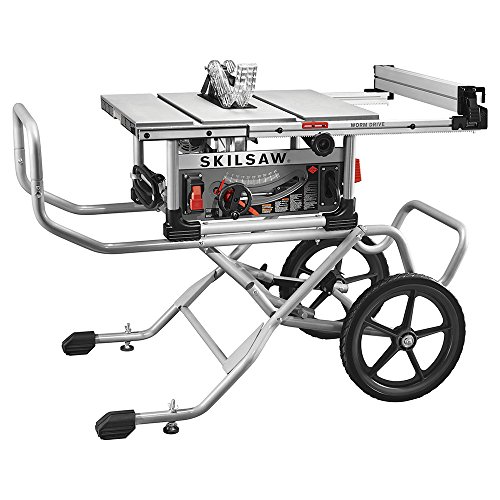
The SKILSAW SPT99-11 represents a heavier-duty option with a worm drive gearing system for power and depth of cut, along with a precise rack-and-pinion fence system. While aimed at more demanding tasks, it remains approachable for dedicated beginners who plan to tackle thicker materials and longer rip cuts. A rugged rolling stand aids mobility in larger shop layouts.
BOSCH GTS15-10 10-Inch Portable Table Saw
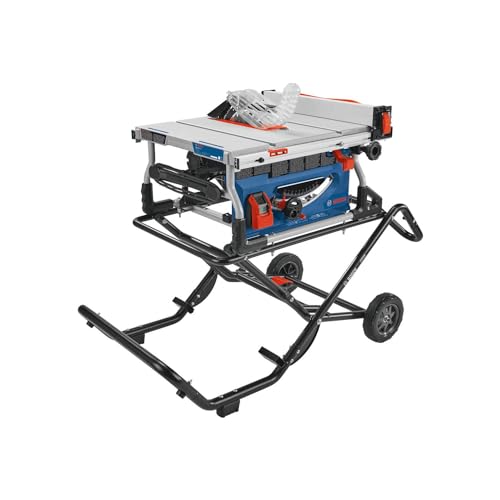
The Bosch GTS15-10 features a gravity-rise wheeled stand for quick setup and portability, with a 15-amp motor delivering solid cutting power. Its rack-and-pinion fence system is designed for reliable adjustments, and its stand design supports safe operation on job sites or in a home shop. It appeals to users seeking a balance between mobility and consistent fence alignment.
Buying Guide: Key Purchase Considerations
When selecting your first table saw, consider these core factors to match your space, projects, and experience level:
- Fence system: A rack-and-pinion or micro-adjustable fence helps maintain blade-to-fence parallelism, reducing miscuts as you cut material.
- Rip capacity: For typical home projects, a rip capacity around 24–32 inches accommodates most plywood and shelving materials.
- Portability vs. stability: Folding or rolling stands improve mobility, but ensure the base provides solid stability for accurate cuts when stationary.
- Power and motor: A 15-amp motor handles hardwood and metal options better; compact models may be sufficient for light-duty woodworks.
- Bevel and depth features: Bevel range and depth of cut determine the types of joints and cuts you can perform without auxiliary tooling.
- Dust management: Integrated dust collection or external ports help keep the workspace cleaner and safer.
- Safety features: Electric brakes, blade guards, and riving knives contribute to safer operation, especially for beginners.
- What you’ll cut most: Consider whether you’ll work with plywood, raw timber, trim, or sheet goods to guide rip capacity and blade selection.
- Budget vs. future needs: A more capable entry-level saw with upgrade potential may be a smarter long-term investment than the lowest-cost option.
Across these models, buyers commonly balance portability with fence accuracy and depth of cut. For hobbyists performing occasional home projects, compact or 10-inch class saws with a folding or rolling stand offer a favorable mix of ease-of-use and transport. For more frequent or larger projects, models with elevated rip capacities and robust fence systems provide greater reliability over time. Always review user feedback on fence alignment consistency and after-sale support when evaluating options.
Note: Prices are not listed in this guide; consult the retailer pages for current price information and any available bundles or warranties.