Best Roof Flashing Cement for Quick Roof Repairs
Flashing cement plays a crucial role in keeping roofs watertight by sealing joints, seams, and flashing components. For American homeowners and contractors, selecting a durable, UV-resistant, and easy-to-apply product matters. The following guide highlights five top-rated flashing cements that perform well in varied climates and roof types, backed by product details and practical applications. A quick summary table of the chosen products is provided below to help you compare at a glance.
| Product | Brand | Volume | Best Use |
|---|---|---|---|
| Sta-Kool White Flash Pro White Roof Cement | Gardner | 1 Gal | Hot climates, flashing repair |
| Black Jack Rubr-Seal Gloss Black Rubber Roof & Flashing Cement | Gardner-Gibson | 10.1 oz | Rubber roof and flashing seals |
| Black Jack Super Flash-Neoprene Rubber Flashing Cement | Gardner-Gibson | 10 oz | Neoprene-based, high performance sealing |
| GARDNER-GIBSON 6230-9-34 Roof Cement | Gardner-Gibson | 3.6 qt | General roof cement for cracks/holes |
| Tuff-Seal Roof & Flashing Cement | Gardner-Gibson | 4.75 gal | Sealing, flashing setting, waterproofing |
Sta-Kool White Flash Pro White Roof Cement
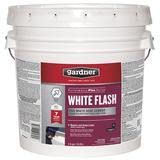
Gardner-Gibson Sta-Kool White Flash Pro White Roof Cement is formulated for hot climates and fluctuating solar exposure. Its white formulation reflects sunlight, helping reduce heat buildup on roof decks while maintaining flexibility after curing. The product is designed for cracks, seams, and roof flashing repairs, making it a versatile choice for metal, shingle, and certain modified bitumen roofs. It carries UV inhibitors to improve long-term solar protection, supporting durability in sunny regions. While it offers broad compatibility, professionals should avoid EPDM, TPO, PVC, and some single-ply rubbers to ensure proper adhesion and performance.
Black Jack Rubr-Seal Gloss Black Rubber Roof & Flashing Cement

Rubr-Seal Rubbr-Seal is a gloss black rubber roof cement designed for sealing and flashing in a single product. This formulation emphasizes flexibility and bond strength, making it well-suited for metal roof seams, flashing repairs, and close-fitting roof edges where movement can occur with temperature changes. The gloss finish helps repel water on vertical surfaces and flashings. Its broad compatibility with typical roofing substrates makes it a strong candidate for DIY repairs and contractor jobs alike. Always read substrate guidance to avoid adhesion issues on certain synthetic roofs.
Black Jack 10109066 Super Flash-Neoprene Cement

The Neoprene-based Super Flash by Black Jack emphasizes high-performance sealing for sealing, repairing, and pointing roof joints. The neoprene compound offers excellent elasticity, weather resistance, and compatibility with common roof substrates. It is designed for a range of flashing applications, including pipe penetrations, vents, and around skylights. When applying, ensure clean surfaces and adequate curing time to maximize adhesion and longevity. This product is particularly useful in environments with significant thermal cycling where movement can impact seal integrity.
GARDNER-GIBSON 6230-9-34 Roof Cement

GARDNER-GIBSON 6230-9-34 is a 3.6-quart roof cement kit designed for straightforward use in sealing cracks and holes. This option suits both new construction and repairs in attic spaces and roof edges, making it a reliable choice for general maintenance tasks. Its US manufacturing origin is noted, which can be a consideration for those seeking domestic-sourced materials. The kit-oriented format can appeal to professionals who prefer a complete package with user-friendly handling and storage for job sites.
GARDNER-GIBSON Tuff-Seal Roof & Flashing Cement

Tuff-Seal is engineered for sealing cracks, seams, and holes while providing a robust layer of waterproofing protection. This product is suitable for both new installation and flashing applications, including drip edges and other roofing edges. The 4.75-gallon size is intended for larger projects or ongoing maintenance programs. Its formulation focuses on durability and reliable adhesion across typical roof substrates, helping protect against water intrusion with seasonal temperature shifts.
Gardner-Gibson All Weather Roof Cement
All Weather formulations emphasize resilience across varying climates, making this option a practical choice for regions with a mix of sun, rain, and cold. The paintable and sealant characteristics enable flexible use around flashing, patches, and vertical surfaces. It’s worth examining substrate recommendations to ensure compatibility with the roof materials present on your project.
Buying Guide: Key Purchase Considerations
- Climate and sun exposure: Choose products labeled for hot climates or with UV inhibitors to resist sun damage and cracking.
- Substrate compatibility: Verify that the cement works with your roof type (asphalt shingles, metal, EPDM, TPO, PVC, etc.).
- Flexibility and elasticity: Look for neoprene or rubber-based formulas when movement is expected due to temperature changes or structural shifts.
- Application method: Consider nozzle type, consistency, and cure time to suit project size and weather windows.
- Waterproofing and seal strength: Prioritize products with a robust waterproof barrier for joints, seams, and edges.
- Fire and safety considerations: Ensure compliance with local building codes and product safety data sheets for near-ignition sources.
- Domestic manufacturing and availability: Some buyers prefer domestically produced products for supply chain confidence and compatibility with local codes.
- Warranty and guidance: Review any manufacturer recommendations for surface preparation, curing times, and reapplication intervals.
Application Tips and Performance Expectations
- Surface preparation: Clean, dry, and free of loose debris before applying cement to seams, flashing, or joints.
- Testing: For larger projects, test a small area first to confirm adhesion and cure under local conditions.
- Curing: Allow adequate curing time as specified by the manufacturer, avoiding rain or moisture during initial set.
- Temperature windows: Many roof cements perform best within moderate temperatures; plan installations to avoid extreme heat or cold.
- Reapplication: Inspect repaired areas after seasonal changes and reapply as necessary to maintain watertight sealing.
In choosing a flashing cement, weigh the balance between flexibility, UV resistance, substrate compatibility, and application ease. For hot, sunny climates, white or light-colored formulations can reflect sunlight and reduce deck temperatures, potentially extending roof life. For metal and flashing repairs, commitment to a durable, elastic sealant is essential to accommodate expansion and contraction. The products listed above represent a cross-section of solutions designed for varied roof types and maintenance needs.