Best Foam Pipe Insulation for Pipes: Top Picks for 2026
Protecting pipes from freezing and sweating helps cut energy loss and prevent leaks. Foam pipe insulation is a simple, effective solution for both hot and cold lines in homes or garages. The following five products are versatile, easy to install, and designed to fit common pipe sizes. Each option offers pre-slit edges, durable foam, and temperature resistance to keep indoor pipes protected year-round.
| Product | Brand | Notes |
|---|---|---|
| Duck Brand Foam Pipe Covers | Duck Brand | Pre-slit, self-sealing edge, 0.75 in. x 1 ft |
| Duck Brand Insulating Foam Pipe Covers | Duck Brand | 0.75 in. x 3 ft, sticks version |
| K-FLEX Elastomeric Pipe Insulation | K-FLEX | 2 in. x 6 ft, durable elastomeric foam |
| PATIKIL Pipe Insulation Foam Tube | PATIKIL | 2 in. ID x 6 ft, closed-cell rubber foam |
| CARGEN Pipe Insulation Foam Tube | CARGEN | 1/2 in. ID x 6 ft, nitrile rubber |
Duck Brand Foam Pipe Covers, 0.75 in x 1 ft

Durability and ease of use define this pre-slit foam pipe cover from Duck Brand. The foam tube is designed for both hot and cold water pipes, with self-sealing adhesive edges to secure around curved sections quickly. It helps prevent winter freezing and summer sweating of indoor pipes, including HVAC lines. Safe for temperatures up to 212°F, it provides reliable insulation for typical residential applications.
Duck Brand Insulating Foam Pipe Covers, 0.75-Inch, Pack of 4

This Duck Brand option provides multiple sticks per pack for versatile coverage on different pipe runs. Like the 1-foot version, it is designed to prevent both freezing and sweating. The foam is rated for temperatures up to 212°F, making it suitable for indoor water lines and HVAC pipes in typical American homes. The pack-size flexibility helps with larger installations or repairs.
K-FLEX 2″ x 6 ft Elastomeric Pipe Insulation
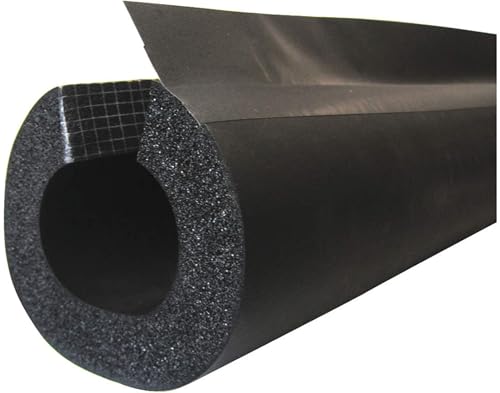
K-FLEX offers a robust elastomeric rubber insulation with a 2-inch inner diameter and 6-foot length. This product emphasizes long-term temperature maintenance, wear resistance, and noise reduction through its dense, closed-cell structure. It’s suitable for both indoor and outdoor uses and supports energy savings by minimizing heat transfer along pipe runs. The 3/4-inch wall thickness provides substantial insulation for larger pipes.
PATIKIL 2″ ID x 6Ft Pipe Insulation Foam Tube

PATIKIL provides a 2-inch inner diameter foam tube cut to 6 feet, designed for flexible wrapping around pipes and other cylindrical components. The package leverages closed-cell rubber foam to reduce heat transfer and dampen condensation. It emphasizes easy installation with a snug fit and mentions wide applicability, including HVAC outdoor units, pipe runs, and barrier padding for handles or equipment. The product supports residential and light commercial uses where insulation is needed.
CARGEN Pipe Insulation Foam Tube, 1/2″ ID x 6Ft

Designed for frost protection and sharp edge shielding, this CARGEN foam tube provides essential insulation for smaller-diameter pipes. Made from nitrile rubber, it offers Class B flame retardancy and good elasticity with non-absorbent properties. The tube ships rolled and avoids creases to maintain performance. It’s rated for a wide operating range from -58°F to 230°F (-50°C to 110°C), making it suitable for varied climates and metal or plastic piping applications.
Buying Guide: Key Considerations When Choosing Foam Pipe Insulation
Choosing the right foam pipe insulation involves balancing sizing, material, and installation ease. Consider the following perspectives to ensure a durable, effective solution for your pipe runs.
- Pipe diameter and ID/OD compatibility: Measure the inner diameter (ID) of the pipe and select insulation with an appropriate wall thickness to achieve a snug fit without compression.
- Material and temperature rating: Foam pipe insulation comes in multiple materials, including polyurethane foam and elastomeric rubber. Elastomeric options typically handle outdoor exposure better and offer stronger humidity resistance.
- Installation method: Pre-slit, self-sealing edges simplify wrapping around curved pipes. If the insulation is not pre-slit, you’ll need to cut and secure with tape or adhesives.
- Moisture and vapor resistance: Look for closed-cell constructions that minimize water vapor permeation, especially in garages, basements, or exterior runs prone to condensation.
- UV and weather exposure: For outdoor or unheated spaces, choose a material with proven UV stability and weather resistance to extend life.
- Arrangement and coverage: Larger diameter pipes require longer lengths or multiple pieces. Check whether a pack size aligns with your project scope to avoid gaps.
- Fire safety and local codes: Some environments require flame-retardant materials. Review product ratings and local building codes to ensure compliance.
- Cost vs. longevity: While budget-friendly options are tempting, consider long-term energy savings and protection against freezing or sweating for a better total value.
In summary, the best foam pipe insulation combines a secure fit, durable material, and installation simplicity. The options listed here provide a range of sizes, flexibility, and temperatures suitable for typical residential and light commercial uses in the United States.