Best Foam Strips for Windows: Insulation, Draft Prevention and Energy Savings
Looking for effective foam strips to seal window gaps and improve indoor comfort? This guide highlights five top belts of foam window seals that fit a range of windows and AC units. Each option serves a different need—from adhesive to non-adhesive and from small-gap to wider-gap applications. The table below summarizes who each product best serves, helping you pick quickly.
| Product | Best For | Notes |
|---|---|---|
| M-D Building Products 02006 | Small gaps around window AC units | Adhesive foam strip, easy seal |
| Yotache Air Conditioner Window Seal Kit | Non-adhesive, reusable sealing | Open cell foam, long roll |
| THERMWELL Frost King AC43H | Weather-stripping around window air conditioners | Open cell foam tape |
| DEMEDO High Density Foam Tape | Thick, wide gaps around units | Self-adhesive backing |
| Tlswshsy 2 Pcs Foam Tape | Non-adhesive seal strips with glue point | 2 rolls, flexible use |
M-D Building Products 02006 1-1/4″ Foam Window Seal Strip
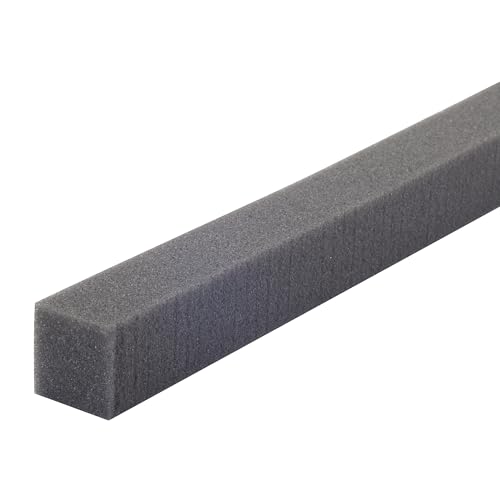
Best for: Small gaps around window air conditioner (AC) units. This 42-inch adhesive foam strip forms a tight barrier to reduce drafts and improve insulation around portable or window-mounted ACs. It’s designed to seal gaps up to 1-1/4 inches thick, making it suitable for compact window gaps and year-round climate control.
Why selected: It provides a ready-made solution with adhesive backing, easy installation, and a compact size that targets common AC-nook gaps. The foam’s density helps block cold air in winter and hot air in summer.
Caution: The adhesive may lose tack on rough or painted surfaces; test a small area first.
Yotache Air Conditioner Window Seal Kit

Best for: Non-adhesive, reusable sealing with open-cell foam. This kit provides long rolls suitable for larger windows or multiple gaps. It helps seal drafts, reduce noise, and block dust without glue, making it a flexible option for renters or seasonal use.
Why selected: Its non-adhesive design makes installation reversible and adjustable. The foam’s resilience offers effective insulation and sound dampening across seasons.
Caution: Non-adhesive foam relies on compression and placement; ensure a snug fit for best performance.
THERMWELL Frost King AC43H Weatherseal Tape
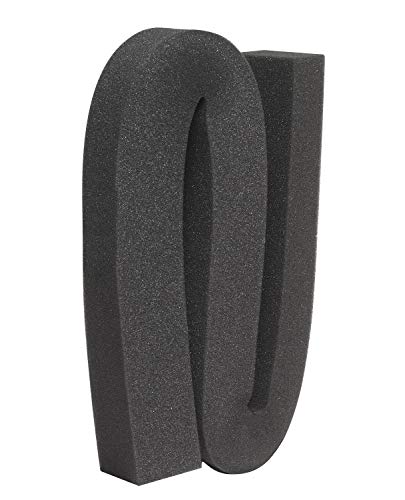
Best for: Weather-stripping around window air conditioners. This open-cell foam tape helps seal out air, insects, and dust while remaining flexible enough to compress around irregularities.
Why selected: It’s a straightforward, resilient option for areas with uneven gaps. The open-cell composition provides good insulation and draft reduction.
Caution: Not all window frames accommodate extra thickness; verify available clearance before installation.
DEMEDO High Density Foam Tape
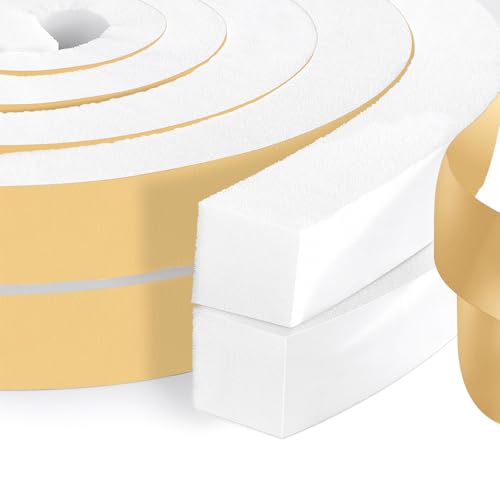
Best for: Wide gaps around window units and door seals. The thick, high-density foam provides effective insulation, sound dampening, and a seamless blend with white window frames.
Why selected: The upgraded self-adhesive backing reduces peeling risk and simplifies installation without extra glues. Its density enhances fill for irregular gaps.
Caution: Excessive compression can reduce adhesive longevity; apply firmly but avoid over-stretching the tape during placement.
Tlswshsy 2 in x 6.5 ft Foam Tape Set

Best for: Non-adhesive foam seal strips with glue points for door and window seals. The 2-inch by 6.5-foot length provides flexibility for larger frames and multiple sealing opportunities.
Why selected: The kit combines non-adhesive foam with glue points, allowing precise placement and reinforcement where needed. It’s suitable for long runs and variable window sizes.
Caution: Glue points require careful alignment; misplacement can leave gaps or create difficulty in future removal.
Buying Guide: Foam Strips For Window Seals
What matters most when choosing foam window seals?
Material density and open-cell vs closed-cell foam impact insulation and sound dampening. Adhesive backing simplifies installation but may not be ideal on rough surfaces. Non-adhesive options offer flexibility for renters or seasonal use but require compression for an effective seal.
How to measure for the right fit
Measure gap height and thickness around the window or AC unit. Choose strips that seal gaps up to the measured thickness while fitting within the window frame’s depth. For tall windows or long runs, longer rolls or multi-piece kits provide better coverage.
Adhesive considerations
Adhesive-backed tapes work best on clean, smooth surfaces. Test a small area to confirm tack. If you anticipate removing or repositioning seals, non-adhesive or low-tack options reduce surface residue.
Durability and climate considerations
Look for foam that tolerates temperature ranges typical for your region. Some foams endure from -40°C to 90°C and resist moisture. Consider weather-resistance and the potential need for replacement after seasonal cycles.
Installation tips
- Clean and dry the mounting surface before applying adhesive-backed seals.
- Cut strips to fit precisely; avoid gaps or overlaps that can trap air.
- Compress non-adhesive strips firmly to enhance contact and seal integrity.
- Check for air leaks after installation and reseal as needed.
Maintenance and replacement
Inspect seals annually for wear, compression, or peeling. Replace damaged sections to maintain energy efficiency and comfort.
FAQ
- What foam is best for window air conditioner gaps?
- How do I know if I need adhesive or non-adhesive foam?
- Can foam door/window seals block noise effectively?
- Will foam strips affect window operation?
- How long do these foam seals typically last?
- Are these foams safe for indoor air quality?
FAQ Answers
- Adhesive foams are easiest for fixed openings; non-adhesive options are versatile for temporary or adjustable gaps.
- Non-adhesive foams rely on compression for sealing; adhesive ones require clean surfaces and proper skin contact.
- Foam seals can reduce drafts and noise, but effectiveness varies with gap size and surface irregularities.
- Foam strips don’t mechanically alter window operation; ensure cuts and placements don’t obstruct movement.
- Durability depends on material quality and climate; inspect yearly and replace as needed.
- Yes, many foams are designed to be non-toxic and safe for indoor use when used as directed.