Best FRP Panels for RV Renovation and Siding
Need durable, easy-to-install FRP panels for RV roof or wall repairs? This guide highlights five suitable options and explains which buyers each product fits best. From fiberglass siding for lightweight campers to corrugated underbelly protection, you’ll find choices tailored to repairs, renovations, and new builds. Use this overview to compare thickness, width, length, and handling considerations before purchasing.
Summary of chosen products
| Product | Best For | Key Benefit | Limitations |
|---|---|---|---|
| Woanger 1 Roll RV Fiberglass Roofing Sheet Siding Panel | RV roof and wall repairs | Fiberglass strength with protective film for handling | 0.06″ thickness may require precise cuts |
| RecPro Arctic White RV Fiberglass Siding (10ft) | Large-area RV siding | 102″ wide; protective film removal after install | Requires film removal step |
| Blulu 48″ X 120″ Aluminum Sheet | Trailer and van siding upgrades | Wide aluminum sheet for fewer seams | Not FRP; metal material |
| RecPro Arctic White RV Fiberglass Siding (5ft) | Smaller RV repairs | Same fiberglass option in a shorter length | Film removal during installation |
| Tough Grade RV Corrugated Poly Underbelly Material | Underbelly protection | Durable, easy to cut, wide 76.75″ coverage | Underside application rather than siding surface |
Woanger 1 Roll RV Fiberglass Roofing Sheet Siding Panel

Product highlights: Fiberglass construction offers rigidity and impact resistance. Dimensions are standardized at 49 inches wide by 96 inches long with a 0.06 inch thickness, aiding project planning for RVs, campers, or trailers. A removable protective film shields the surface during transport and installation, which should be peeled off after completion. Best for buyers who need a large, transport-friendly FRP panel with protection against scratches during handling.
Best for: DIY RV roof or wall repair projects where a robust FRP sheet is needed and a predictable size helps plan cuts. Avoid this if you require metal-like flexibility or ultra-thin panels for tight curves.
RecPro Arctic White RV Fiberglass Siding (10ft)

Product highlights: Fiberglass panel measures 102″ wide with a gauge of 0.045. It comes with a protective film that must be removed after installation. The material is fiberglass, which provides a balance of strength and weight for RV siding projects. Best for: RV renovations needing a wide, low-profile FRP-like siding option with straightforward installation. Limitation: film removal adds a final step in the process.
Blulu 48″ X120″ White Aluminum Plate Sheet

Product highlights: Aluminum sheet with a 0.032 inch thickness, 48 x 120 inches. Adheres to metric tolerances to fit a wide range of trailers or RV skins. White, durable aluminum sheet suitable for RV and camper van siding. Best for buyers seeking a metal alternative to FRP with fewer seams and strong exterior protection. Limitation: Not FRP; may react differently to weather compared to fiberglass panels.
RecPro Arctic White RV Fiberglass Siding (5ft)
Product highlights: A 5-foot version of the fiberglass siding with a 102″ width and 0.045 gauge. Includes a protective film that must be removed after installation. Best for: Smaller repair patches or refurbishments when a fiberglass option is preferred for weight and rigidity. Limitation: Installation requires film removal and precise cutting for fit.
Tough Grade RV Corrugated Poly Underbelly Material
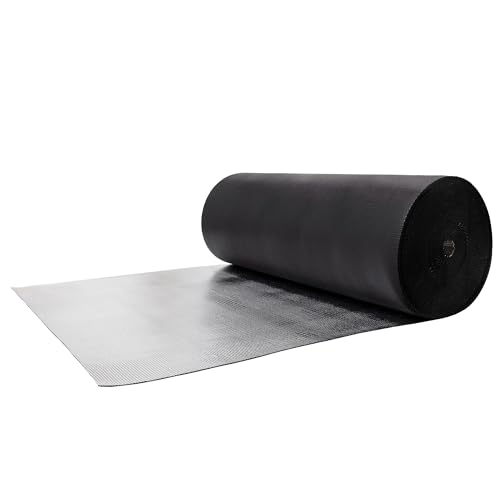
Product highlights: Corrugated poly underbelly material, 76 3/4″ wide and 1/8″ thick. Designed to protect the RV underbelly from moisture, dirt, and road debris. Best for: Underbelly repair or replacement where durable protection is needed. Limitation: Not for exterior wall siding; intended for undercarriage protection only.
Buying Guide
What to consider when selecting FRP panels for an RV
- Panel material: Fiberglass FRP panels offer a balance of strength and lighter weight; aluminum sheets provide a metal alternative with different weathering characteristics.
- Size and thickness: Choose panel width and length that minimize seams. Thicker panels tend to be stiffer but harder to cut and fit in tight curves.
- Protective film: Many fiberglass panels include a protective film during transit. Plan for removal after installation to ensure a clean finish.
- Environmental suitability: For exterior walls, ensure UV resistance and moisture tolerance. For underbelly applications, focus on impact and moisture protection.
- Ease of installation: Consider the availability of compatible fasteners, primers, and sealants, as well as the required tools for cutting and fitting.
Practical questions to guide your buy decisions
- Is the panel intended for exterior siding or interior use?
- Do you prefer fiberglass FRP or aluminum for weight, durability, and corrosion resistance?
- What is the required panel width to minimize seams on the RV surface?
- Will a protective film complicate installation, or does it simplify handling?
Installation considerations
- Prepare the surface: Clean, dry, and flat surfaces improve adhesion and fit.
- Sealing: Use appropriate sealants around edges and seams to prevent water intrusion.
- Cutting and fitting: Use score-and-snap tools or compatible blades for clean edges and reduced chipping.
- Safety: Wear eye protection and gloves when cutting and handling panels.
FAQ
- Q: Are FRP panels suitable for van walls? A: Yes, FRP panels are commonly used for RV walls and ceilings due to their lightweight durability and resistance to impact.
- Q: Do FRP panels require special fasteners? A: Use standard exterior-grade fasteners and sealants recommended for fiberglass or aluminum panels.
- Q: Which is better for underbelly protection, FRP or corrugated poly? A: Corrugated poly underbelly material provides strong moisture and debris protection, while FRP panels are mainly for visible surfaces.
- Q: Should panels be pre-coated or painted? A: Many FRP panels come in white or light finishes; paint or coatings are optional based on desired appearance and UV exposure.
- Q: How important is a protective film during handling? A: It helps prevent scratches and residue during transport and installation; remove after securing the panel.
- Q: Can these panels be cut on site? A: Yes, most FRP and aluminum sheets can be cut with common workshop tools, following safety guidelines.