Best Gas for MIG Welding Car Body: Reliable Gas Blends and Equipment for Clean, Strong Joints
Choosing the right shielding gas and equipment is essential for MIG welding car bodies. This guide highlights top gas blends, regulators, and compatible welders that support stable arcs, minimal spatter, and dependable performance on automotive sheet metal. Read on to compare blends, cylinders, and regulators, and see practical purchasing considerations for DIYers and pros alike.
| Product | Brand | Type | Gas Blend |
|---|---|---|---|
| PrimeWeld 75% Argon 25% CO2 Bottle | PRIMEWELD | Gas Cylinder | 75% Ar / 25% CO2 |
| 80 cu/ft 75% Argon 25% CO2 Welding Gas Cylinder | Generic | Gas Cylinder | 75% Ar / 25% CO2 |
| 125 cu/ft 75% Argon 25% CO2 Welding Gas Cylinder | Generic | Gas Cylinder | 75% Ar / 25% CO2 |
| CGA580 Argon CO2 Regulator | IVONNEY | Regulator | Argon/CO2 compatible |
| ARCCAPTAIN MIG Welder 160A | ARCCAPTAIN | Welding Machine | Gas MIG capable |
PrimeWeld 75% Argon 25% CO2 Bottle
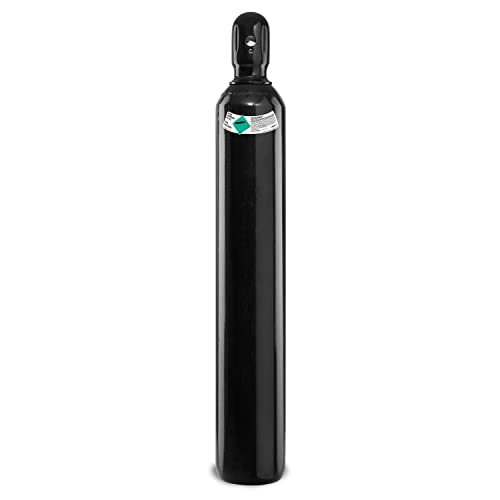
The PrimeWeld gas blend, a 75% Argon and 25% CO2 mixture, is positioned as a versatile all-purpose MIG welding gas. The cylinder arrives full, certified (DOT 3AA), and stamped with a 10-year date, reducing the risk of refills or rejected cylinders. It’s pitched for automotive work due to its stable arc and broad material compatibility. For car bodies, this blend supports a smooth puddle on mild steel while keeping spatter manageable and welds visually clean. The service model emphasizes doorstep delivery and avoidance of rental fees, which can be convenient for frequent automotive projects.
Application notes: The blend provides good arc characteristics on thin to moderate thickness automotive panels. It’s practical for hobbyists who need consistent coverage without swapping gas types. When used with a standard MIG setup, expect reliable penetration on mild steel and compatibility with common automotive primers and coatings. Proper gas flow, clean surfaces, and a grounded workpiece remain critical to achieving professional-looking welds.
80 cu/ft 75% Argon 25% CO2 Welding Gas Cylinder

This 80 cubic foot cylinder offers a ready-to-weld supply of the 75/25 blend, packaged with compliance in mind (DOT and ISO adherence). The listing notes a 10-year hydrotest date stamp and proximity to stamped dates, which is important for reliability in occasional or long-term automotive projects. For MIG welding car bodies, this blend supports steady arc stability and controlled heat input, facilitating clean welds on automotive panels where precise heat management matters to prevent warping.
Usage considerations: Ensure regulators and hoses are compatible with CGA-580 fittings, and follow manufacturer instructions for safe handling of large gas cylinders. The blend remains a solid choice for welding thin steel sections typical of car bodies, where minimizing burn-through and spatter is a goal.
125 cu/ft 75% Argon 25% CO2 Welding Gas Cylinder
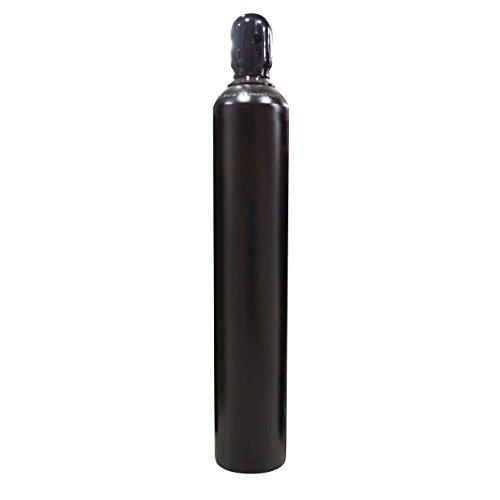
This larger 125 cu/ft cylinder mirrors the same 75/25 blend, offering extended running time for automotive MIG welding sessions. The product emphasizes compliance with hydrostatic testing, with a 10-year stamped grid and a date range that keeps deliveries and replacements predictable. For continuous automotive body campaigns or shop-based repair work, this size reduces the frequency of cylinder changes and helps maintain steady productivity. It pairs with standard regulators that fit CGA-580 connections.
The 75/25 blend remains a widely adopted compromise between arc stability and cost-effectiveness for welding mild steel car bodies, particularly when welding thinner sheet metal and automotive panels that require precise control over penetration and heat input.
CGA580 Argon CO2 Regulators

Regulators are critical for maintaining precise gas flow in MIG welding. This CGA580 regulator set is described as compatible with Argon and CO2 blends, featuring a built-in degassing device and a large adjustment handle for easy tuning. The regulator supports a standard 0-4500 PSI regulator gauge range and includes a 6.6-foot hose, making it suitable for typical MIG welding workflows on automotive projects. For car body welding, consistent gas flow helps achieve stable arcs and uniform bead appearance across panels and joints.
Key considerations: Confirm compatibility with your gas cylinder size, ensure the hose length matches your workspace, and verify that the regulator’s materials and seals withstand the chosen gas blend. Proper maintenance and periodic hydrostatic checks of regulators contribute to long-term performance and safety in a shop environment.
ARCCAPTAIN 160A MIG Welder
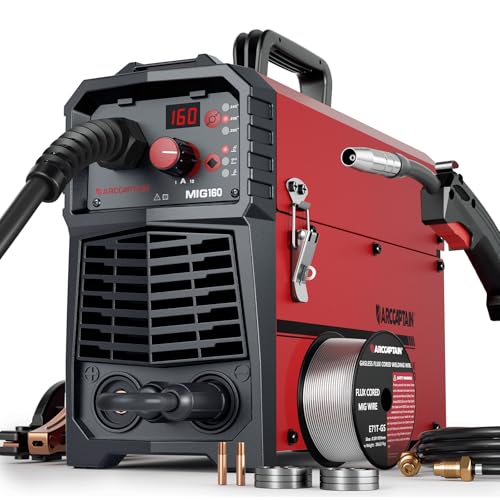
The ARCCAPTAIN MIG 160A is a 4-in-1 welding machine that supports Gas MIG, Flux Core, Lift TIG, and MMA. It’s designed for home DIY use and small workshops, with dual-voltage operation (110V/220V) and synergy features that auto-adjust current and wire feed for selected wire diameters. Gas MIG capability makes it versatile for automotive work, allowing stable welds on mild steel and stainless in a car-body context when used with the 75/25 blend. Its portability and weight under 12 pounds enhance on-site repairs and small shop tasks.
Usage considerations: For automotive panels, verify that the gas MIG option is configured correctly and that you have compatible shielding gas, hoses, and regulators. While multi-process capability is convenient, achieving optimal automotive welds often benefits from dedicated MIG settings tailored to sheet metal thickness and joint types. Proper safety practices, ventilation, and PPE are essential in any MIG welding setup.
Buying Guide: Gas, Cylinders, Regulators, And Welders For Car Bodies
- Gas blend selection: 75% Argon / 25% CO2 is a common all-purpose MIG gas that balances arc stability and spatter control for automotive mild steel. It works well on car bodies, especially when welding thin sheets. Consider switching to pure CO2 only for certain thicker or heavily corroded joints, though this may increase spatter and reduce arc control.
- Cylinder size and run-time: Larger cylinders (125 cu ft, 80 cu ft, etc.) extend welding sessions between changes, which is beneficial for ongoing body repairs. Keep spare gas and a safe storage plan in your shop to prevent downtime.
- Regulators and hoses: A CGA580 regulator is standard for Argon/CO2 blends. Ensure compatibility with your cylinder size, regulator range, and hose length. A reliable regulator maintains steady flow and reduces the risk of flameouts or inconsistent welds.
- Welders with gas MIG capability: If you frequently repair auto bodies, a MIG welder with gas shielding support streamlines workflow. Look for units with adjustable voltage and wire feed, suitable wire types, and compatibility with common automotive steels (M1018/HSLA, etc.).
- Joint preparation and technique: Clean metal surfaces, remove rust and oil, and practice with proper travel speed and torch angle. Even with optimal shielding gas, surface preparation affects bead quality and penetration on car-body panels.
- Safety and compliance: Use appropriate PPE, maintain ventilation, and store gas cylinders upright and secure. When transporting or moving cylinders, follow all safety guidelines to prevent leaks or damage to valves.
- Cost-to-value balance: While premium gas blends and large cylinders add upfront cost, they can reduce downtime and improve weld quality in automotive contexts, especially when completing repair jobs that require consistent results across multiple panels.
- Environmental and material considerations: For thicker or corrosion-prone sections, test a few passes with your chosen blend to optimize heat input and joint integrity without overheating the surrounding metal.
In summary, selecting a reliable 75/25 Argon/CO2 gas blend, paired with compatible regulators and a MIG-capable welder, provides a practical setup for welding car bodies. The listed products cover cylinders, regulators, and a versatile MIG machine to help you achieve stable arcs, clean beads, and dependable joints across automotive repairs and restorations.