Best Geo Grid Driveway Solutions for Stabilized Surfaces
Geogrid or geocell grid systems offer a durable, permeable base for driveways, walkways, and parking areas. These sheets of HDPE cells stabilize soil or gravel, distribute loads, and reduce erosion, making soft or sloped terrain usable year-round. Below are five top options that balance load capacity, ease of installation, and long-term performance across residential and light-commercial settings. Each product is evaluated for driveways, patios, and slopes where stability and drainage matter most.
Summary At A Glance
| Product | Brand | Depth (in) | Coverage (approx.) | Notes |
|---|---|---|---|---|
| Ground Grid System | VEVOR | 3 | 237.5 sq ft | Heavy-duty, high load support, permeable grid |
| 2″ Ground Grid | Sunnyglade | 2 | 160 sq ft | Durable, foldable; versatile for patios and walkways |
| 40FT Gravel Driveway Grid | GRITSPIKE | 5 | Not specified (length) 40 ft grid sections | Heavy-duty, includes stakes and fasteners |
| 3″ Depth Ground Grid | VIVOSUN | 3 | Not specified (unit-based) | High load-bearing up to 1885 lbs/ft² |
| 2″ Thick Ground Grid | Sunnyglade | 2 | 321 sq ft | Large coverage; durable, flexible |
VEVOR Ground Grid For Solid Driveway Base

The VEVOR ground grid is a 3-inch-deep HDPE geocell system designed to create a strong, permeable base for light vehicle driveways, patios, and sheds. Each unit spans 25 feet by 9.5 feet, providing about 237.5 square feet of coverage. Its single-cell stability features 9.9-inch cells that help lock filled gravel or soil in place to minimize migration. The construction emphasizes erosion control and immediate load-bearing for flat or sloped areas where soft terrain is a concern. Supersonic welds and a three-dimensional honeycomb layout distribute loads laterally while allowing water to permeate through the grid. Features highlight resistance to photooxidation and chemical exposure, with easy cutting and attachment for custom sizing.
Installation notes: cut to fit as needed, connect cells, and fill with gravel or soil. The system is designed to withstand high local loads when filled, helping to keep pathways stable during rain events. For best results on driveways, ensure proper anchoring and fill density to maximize surface rigidity and minimize rutting over time.
Sunnyglade 2″ Thickness Ground Grid (40′ x 4′)

The Sunnyglade 2-inch deep geocell grid measures 40 feet by 4 feet per unit, offering roughly 160 square feet of coverage per unit. Its HDPE composition provides durability and flexibility, with small cells around 10 inches in length and width that can be filled with gravel or soil. This grid excels for light-to-moderate load projects such as garden paths, patios, and driveways where a stable, permeable surface is desired. The foldable design aids storage and transport, and the grid is easily cut to accommodate irregular paths or slopes. It supports both pedestrians and light vehicles, reducing erosion and keeping gravel in place on uneven ground.
Note the emphasis on ease of DIY installation: unfold, anchor with included stakes, fill, and connect. It is particularly suitable where a balance of permeability and load distribution matters, with the ability to customize dimensions on-site as needed.
GRITSPIKE 40FT Gravel Driveway Grid

GRITSPIKE offers a heavy-duty 40-foot gravel driveway grid designed for high-load environments such as parking pads and driveways. This HDPE geocell system features a 5 cm (approximately 2 inches) deep honeycomb structure that distributes weight and reduces surface rutting. The package includes 32 stakes and 40 fasteners to secure the grid, enabling a straightforward DIY installation using gravel, soil, or sand as infill. The grid is engineered to stop gravel migration on slopes and irregular surfaces, making it a practical choice for long driveways or hillside paths that require reliable erosion control and a stable surface for vehicles and pedestrians alike.
Best practices include anchoring along edges, ensuring consistent fill density, and maintaining proper drainage to preserve long-term performance under freeze-thaw cycles and seasonal shifts.
VIVOSUN 3’’ Depth Ground Grid

The VIVOSUN 3-inch-depth ground grid delivers robust load-bearing capacity with a perforated, three-dimensional honeycomb structure that facilitates water permeation. The system claims up to 1885 lbs per square foot when filled, offering strong support for driveways, paths, and slopes that experience heavy foot or vehicle traffic. Its foldable, cuttable design supports custom shapes and sizes, enabling DIY installation without professional labor. The grid’s ultrasonic welds reinforce the structure, increasing tensile strength and resistance to deformation in varied climates. The installation sequence is straightforward: unfold, anchor, fill, then connect to neighboring grids to form a continuous surface.
Practical considerations include ensuring clean, level fill material and adequate edging to retain gravel and prevent lateral movement on slopes. In harsher climates, regular inspection helps detect any edge wear or cell damage before deterioration progresses.
Sunnyglade 2″ Thick Ground Grid (Large Format)
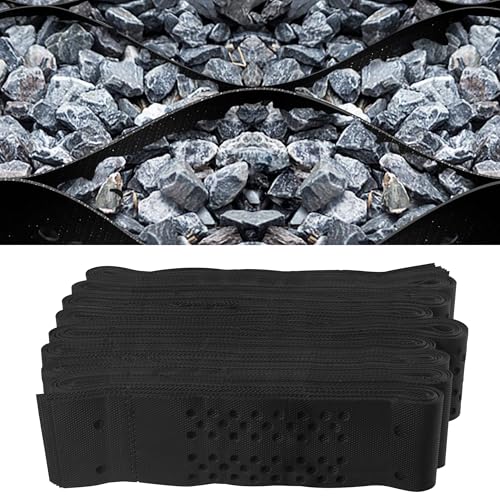
This Sunnyglade model features a 2-inch thick geocell grid with a larger footprint of 49.5 feet by 6.5 feet, totaling about 321 square feet of coverage. It is designed for multi-purpose applications, including driveways, garden paths, patios, and parking areas, with a focus on stabilizing slopes and soft surfaces. The 25 cm cell size and durable HDPE material offer reliable load distribution and easy on-site customization. The grid’s foldable nature aids transport and storage, while the included HDPE construction provides resilience against deformation and aging.
When planning installation, consider the total projected vehicle load, the slope angle, and drainage patterns. Combined with appropriate fill material, this grid can form a durable, permeable layer that minimizes surface washouts and maintains a clean, usable surface through seasonal changes.
Buying Guide: Key Purchase Considerations And Comparisons
Choosing the right geo grid system for a driveway or pathway involves balancing load capacity, depth, material quality, and installation practicality. Consider the following factors from multiple perspectives:
- Load requirements: Heavier-driveway applications (cars and small trucks) demand deeper grids (2″–3″) and denser cell structures. Look for reinforced welds and a high load rating per square foot when filled.
- Depth and stability: Deeper grids distribute loads more effectively and resist rutting on slopes. If grading is uneven, a 3″ system may be preferable over a 2″ one.
- Material durability: HDPE is common for geocells due to chemical resistance, UV stability, and structural integrity. Check for weather resistance and long-term aging performance.
- Infill material: Gravel, soil, or sand infill affects final surface stiffness and drainage. Permeability is important to prevent pooling; ensure the system supports consistent water flow.
- Installation ease: Look for complete kits with stakes, fasteners, and simple fold-and-fit designs. An easier install reduces labor time and helps beginners achieve better stability.
- Cutting and shaping: On irregular driveways or slopes, the ability to cut cells to fit corners and edges is critical for a seamless finish.
- Drainage and erosion control: A permeable grid should maintain surface integrity while allowing water through. Sloped areas benefit from slat-like distribution that reduces washouts.
- Maintenance: Inspect edges after extreme weather. Dallas-style freezes, heavy rains, or heat can cause micro-cracking or edge lifting; select grids with robust edge welds to minimize issues.
In summary, match the product depth and cell design to the anticipated load and terrain. For driveways with mild slopes and light traffic, 2″ grids with easy DIY installation provide ample stability. For heavier loads or steeper slopes, 3″ or deeper grids with reinforced welding offer better long-term performance. Ensure you have the right tools for anchoring and proper infill to maximize permeability and surface integrity over time.