Best Hacksaw Blades for Stainless Steel and Metal Cutting
Choosing the right hacksaw blade is essential for clean, accurate cuts in stainless steel and other metals. The blades below are designed to balance durability, speed, and precision, helping you tackle tough metals with confidence. The list selects blades built to resist wear, flex under load, and deliver consistent performance across common framing, fabrication, and DIY tasks.
| Product | Brand | Length | Teeth Per Inch |
|---|---|---|---|
| GRAFF 8% Cobalt Premium Hacksaw Blades | GRAFF | 12 in | 24 |
| Starrett Redstripe Solid High Speed Steel Power Blade | Starrett | 14 in | 10 |
| Starrett Bi-Metal Unique HSS Safe-Flex Blade | Starrett | 12 in | 24 |
| HAUTMEC 12″ Bi-Metal Blades | HAUTMEC | 12 in | 32 |
| JUGREAT 12″ Bi-Metal Replacement Blades | JUGREAT | 12 in | 24 |
GRAFF 8% Cobalt Premium Hacksaw Blades
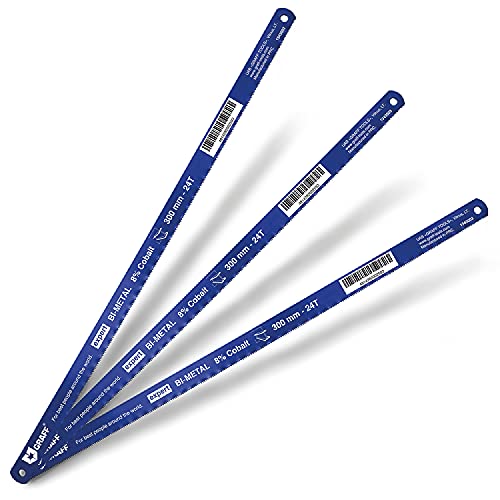
These 12-inch blades are engineered for metal cutting with an enhanced cobalt content to resist abrasion. The 8% cobalt helps maintain edge integrity under tough cutting conditions, while the bi-metal construction offers flexibility and durability. Ideal for stainless steel and other hard metals, these blades reduce bending and maintain cutting quality even with longer cuts.
Starrett Redstripe High Speed Steel Power Blade
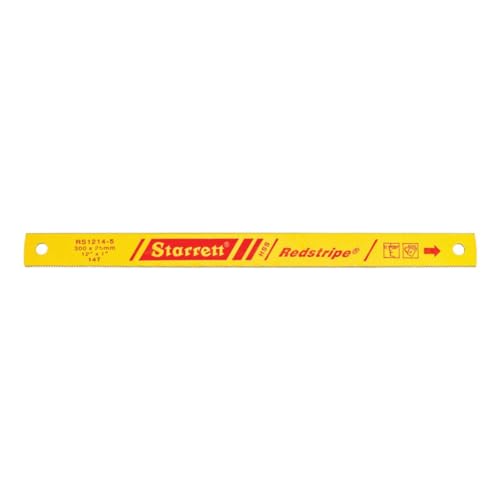
Designed for high-speed cutting, this 14-inch Redstripe blade delivers fast cuts through stainless steel and tough alloys. Solid high-speed steel construction offers durability and a longer blade life, reducing replacements during heavy tasks. It balances speed with the strength needed for demanding metal-cutting jobs.
Starrett Bi-Metal Unique HSS Safe-Flex Blade

Starrett’s Bi-Metal Safe-Flex blade combines solid-state diffusion technology with bi-metal durability. It emphasizes tooth strength, reduced breakage, and resilience in interrupted cuts or areas requiring blade bending. A strong option for stainless steel and other hard metals where edge integrity matters.
HAUTMEC 12″ Bi-Metal Blades

HAUTMEC blades feature a bi-metal build with high-speed steel teeth and a flexible spring steel body. The 32 TPI version is designed for precise cuts through steel and other materials. The set offers universal 12-inch length with a precise tooth pattern that supports clean finishes in metalwork and fabrication projects.
Hacksaw Replacement Blades (10 Pack) – 24 TPI

JUGREAT offers a 10-pack of 12-inch, 24 TPI bi-metal blades. The blades are described as professional grade with high-speed steel teeth and a wavy set for versatile cutting. Suitable for cutting a variety of materials including steel and piping, these blades provide a balance of speed and control for metalworking tasks.
Buying Guide: Key Considerations For Hacksaw Blades
When selecting hacksaw blades for stainless steel, consider tooth design, blade material, and length. Bi-metal blades combine a flexible body with a hard tooth edge, improving durability and reducing breakage under load. For hard metals like stainless steel, blades with higher TPI offer cleaner cuts but slower feed rates, while lower TPI blades cut faster but may produce rougher finishes. Cobalt-infused or high-speed steel teeth enhance wear resistance, helping blades last longer in demanding environments. Compatibility with your hacksaw frame (length, width, and thickness) ensures a proper fit and secure operation.
Durability and flexibility matter, especially in tight spaces or interrupted cuts. Some blades are designed to flex under pressure, reducing the likelihood of tooth breakage when the blade bends. For professionals, investing in a blade with patented or advanced tooth geometry can yield better finish quality and longer blade life. Always follow safety guidelines, secure the workpiece, and select the blade with the appropriate TPI for the material you are cutting.
Compare blades across the following perspectives: edge wear resistance (cobalt or HSS teeth), body flexibility (bi-metal construction), and cut quality (tooth geometry and pitch). For stainless steel, high-speed steel or cobalt-enhanced teeth at medium to high TPI typically deliver the best balance of speed and finish. If you anticipate frequent interrupted or curved cuts, look for “Safe-Flex” or similar blade designs designed to reduce breakage. Finally, consider price-per-cut by assessing blade life in your typical material and workload.