Best Heat Reducing Window Film for Summer Comfort and Energy Savings
Window films that reduce heat can lower cooling costs, block UV fade, and improve indoor comfort. The selections below highlight popular, installer-friendly options that balance heat rejection with visible light, privacy, and ease of use. Each product section provides a quick overview of key features, performance notes, and practical considerations to help American homeowners choose the right film for their windows.
Summary of chosen products:
| Product | Brand | Approximate Benefit | Notable Feature |
|---|---|---|---|
| Gila Heat Control Titanium | Gila | Strong heat rejection, glare reduction | 3 ft x 15 ft roll; up to 72% solar energy rejection |
| Volcanics One Way Privacy | Volcanics | Privacy with heat management | Adhesive-free, quick application, daytime privacy |
| Coavas One Way Privacy Film | Coavas | Heat control and UV protection | Blocks up to 85% of infrared; anti-UV; static cling |
| BDF NA35 Daytime Privacy | BDF | Mid-level privacy with heat rejection | Medium shade; blocks 99% UV |
| KESPEN One Way Privacy Film | KESPEN WINDOW FILMS | Daytime privacy and glare control | 12% VLT; heat reflection; reusable in some cases |
Gila Heat Control Titanium Window Film

Gila’s Heat Control Titanium film offers substantial solar energy rejection and glare reduction. The 3 ft by 15 ft roll is designed for residential DIY installation, making it a practical option for standard windows. The film’s 72% rejection rate directly translates to cooler interiors on hot days and potentially lower air conditioning usage in summer. When choosing this film, measure window dimensions accurately to ensure a snug, seal-free fit and maximize energy savings. The titanium finish contributes to a neutral appearance that resists color shifting over time.
Volcanics One Way Window Privacy Film

The Volcanics one-way film is adhesive-free and designed for fast, tool-free application. It provides daytime privacy through a reflective mirror effect, which helps reduce heat by reflecting a portion of solar radiation. The film adheres to existing glass and can be removed without leaving residue, enabling reuse in some scenarios. Users should note that the privacy effect relies on lighting conditions: at night, the mirror reverses, and visibility through the glass may increase, requiring curtains for privacy after dark.
Coavas One Way Privacy Film

Coavas combines heat blocking with UV protection in a static-cling design, avoiding adhesives. The film claims up to 85% infrared heat reduction and 95% UV block, which helps preserve furnishings and lowers cooling costs. A key selection tip is ensuring the correct size for your window opening to achieve a seamless look. With a 13% VLT, it maintains a view outside while delivering noticeable glare reduction, which aids in comfort during bright days.
BDF NA35 Daytime Privacy Window Film
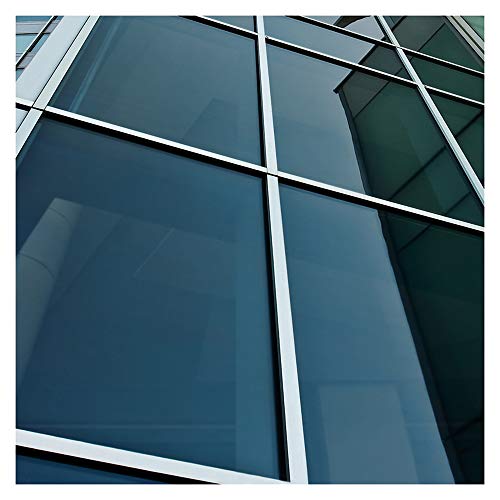
BDF NA35 offers a compromise between privacy and visibility, with a medium-dark tint that still allows daylight. It delivers strong heat rejection and UV blocking, contributing to interior protection from fading and lower cooling demands. Installation benefits come from user-friendly handling and a release liner that facilitates adhesive safety, though some soapy water preparation is advised for easier application. This film suits larger sun-exposed rooms where both heat control and daylight balance are important.
KESPEN Window Privacy Film One Way

KESPEN’s one-way film provides daytime privacy with a silver-black finish and notable infrared and UV blocking. It maintains a balance between outside visibility and interior shading, thanks to a modest 12% VLT. The film’s reflective properties help reduce heat gain in summer while keeping the room bright. It is designed for static cling, which simplifies removal or repositioning. Nighttime privacy relies on interior lighting and potentially curtains, as the mirror effect diminishes when outside lighting levels change.
Buying decisions for heat-reducing window films require evaluating several factors. If you prioritize maximum heat rejection with minimal tint, consider films like Gila or BDF NA35, which emphasize energy savings and UV protection. If you value easy installation and potential reuse, adhesive-free options such as Volcanics and Coavas offer convenience and flexibility. For households seeking privacy without sacrificing daylight, one-way or reflective films provide daytime privacy with added glare control. Always confirm window dimensions, VLT values, UV blocking rates, and any cautions about dual-pane compatibility before purchase.
Buying Guide: Key Purchase Considerations
- Heat Rejection vs. Light Transmission: Higher infrared rejection reduces cooling loads but may darken interiors. Choose a balance that fits room needs and window orientation.
- Privacy Needs: One-way or reflective films offer daytime privacy but can reveal interiors at night. Consider room location and nighttime privacy strategies (curtains or blinds).
- UV Protection: Look for films that block 99% or more of UV rays to protect furnishings and skin over long exposures.
- Installation Type: Adhesive vs. static cling affects ease of application, removal, and reusability. Adhesive may last longer in harsher conditions; static cling is easier to reposition.
- Window Type Compatibility: Some films are not recommended for dual-pane or certain tempered glass. Verify manufacturer guidelines for your window type.
- Visible Light Transmission (VLT): The percentage indicates how much visible light passes through. A higher VLT preserves daylight; a lower VLT increases privacy and heat control.
- Size and Fit: Measure window dimensions carefully. Availability in standard sizes can affect fit quality and waste reduction.
- Durability and Maintenance: Consider whether the film requires professional installation or can be a DIY project, and how easy it is to clean without damaging the film.
Overall, selecting the right heat-reducing window film involves weighing heat rejection, privacy, daylight needs, and installation practicality. The options above cover a range of priorities—from adhesive-free simplicity to strong infrared blocking—helping American homeowners tailor cooling strategies to their unique living spaces.