Best Heating Solutions for a Basement That Stay Cozy and Efficient
Basements can be comfortable year-round with the right heating approach. This guide highlights five reliable options designed to keep a basement warm while balancing energy use, safety, and installation ease. From infrared heaters to underfloor mats and portable kerosene units, these products cover different space sizes and heating needs. Each option includes practical safety features and user-friendly controls to help you choose what best fits your basement layout and lifestyle.
Summary Table
| Product | Brand | Type | Key Benefit |
|---|---|---|---|
| Lifeplus 1500W Infrared Space Heater | LifePlus | Infrared Quartz Heater | Efficient, room-friendly warmth with timer and remote |
| LuxHeat 30 Sqft Floor Heating Mat Kit | LuxHeat | Under-Floor Heating Mat | Even heat under flooring for consistent warmth |
| 200 Sqft Electric Floor Warming Mat | Warming Systems | Under-Floor Mat | Large-area radiant heating with programmable thermostat |
| NujorWarm 120V Heated Rug | NujorWarm | Electric Heated Rug | Large surface heat with easy cleaning and safety features |
| LuxHeat 80 Sqft Floor Heating Mat Kit | LuxHeat | Under-Floor Mat | Smaller area option with programmable thermostat |
LifePlus 1500W Infrared Space Heater
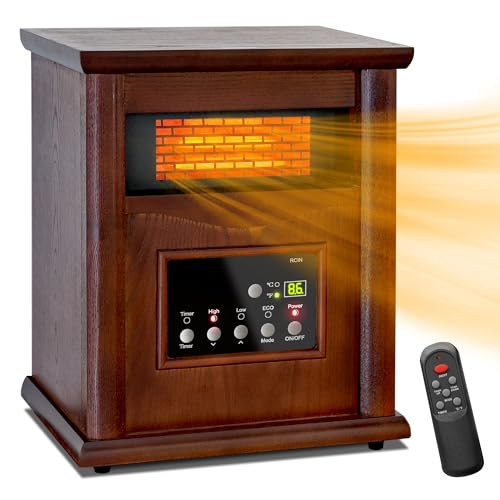
The LifePlus infrared quartz heater offers three heat settings (high, low, eco) to adapt to basement room size and insulation quality. Infrared technology targets nearby objects and occupants for efficient warmth, reducing overall energy use in larger spaces. An LED digital display makes thermostat adjustments precise, helping maintain a comfortable temperature without constant monitoring. Built-in safety features include automatic shutoff for overheating and a tip-over switch, which adds peace of mind for households with kids or pets.
LuxHeat 30sqft Floor Heating Mat Kit

This kit provides a simple installation for warming small basement zones under tile or laminate. The 30 Sqft mat is designed for easy handling with self-adhesive mesh and a programmable UWG5 thermostat with floor sensor and built-in GFCI. It’s ideal for adding a consistent heat layer under finished flooring, helping to reduce cold spots in basements that use hard surfaces. The installation guidance notes emphasize proper embedding in underlayment or mortar for longevity.
200 Sqft Electric Floor Warming Mat
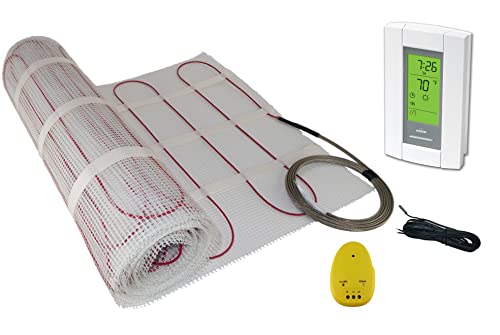
Designed for larger basement spaces, this radiant floor system covers up to 200 square feet. The set includes two mats that connect to a digital thermostat and underfloor sensor, enabling precise temperature control. The kit includes an alarm monitor to alert if a wire is damaged during installation, and the mat features self-adhesive backing for straightforward placement. This system is UL-listed for safe use in wet environments and delivers steady heat beneath flooring finishes.
NujorWarm 120V Heated Rug

The NujorWarm heated rug provides 1000W of warmth across a broad surface, making it suitable for basement workspaces or living areas where a solid heat source on the floor is beneficial. Features include fast warm-up, a waterproof PU surface for easy cleaning, and multiple safety protections. The rug is designed to fit under desks or in rooms where a freestanding heater may be impractical, delivering quiet, even heat without noticeable noise or drafts.
LuxHeat 140sqft Floor Heating Mat Kit

For larger basement zones, this 140 Sqft kit includes a 240V self-adhesive heating mat and a programmable thermostat with floor sensor and built-in GFCI. Like other LuxHeat kits, it emphasizes easy installability with pre-spaced mats that can be cut or turned to fit irregular spaces. The system is backed by a long warranty, reflecting confidence in floor-level warmth that remains consistent across rooms with tile or laminate flooring.
Buying Guide: Key Considerations For Basement Heating
- Heat source type: Infrared heaters warm people and objects directly, which can be efficient in well-insulated basements. Electric floor heating mats deliver uniform warmth under flooring and work well for areas where you spend extended time.
- Space and layout: For small basements or under-floor installations, floor mats provide steady, hidden heat. Portable infrared or kerosene heaters offer flexible placement for larger, open layouts.
- Safety features: Look for tip-over and overheat protection, automatic shutoffs, and moisture-rated components for basement environments. Programmable thermostats help maintain comfort without overheating.
- Installation complexity: Floor heating mats require professional-level planning for electrical load and floor compatibility, while portable heaters or electric rugs are easier to deploy but may require more frequent relocation.
- Energy efficiency: Infrared options can be more energy-efficient by focusing warmth where you are. Floor mats distribute heat evenly, reducing cold spots and potentially lowering energy use in larger spaces.
- Flooring compatibility: When using floor mats, ensure compatibility with your floor type (tile, laminate, or concrete) and follow recommended subfloor preparation for best performance and safety.
- Humidity and venting: Basements can be damp; select equipment with moisture tolerance and necessary insulation. Some kerosene heaters require ventilation and safe handling; verify local code compliance.
Choosing the right basement heating approach often involves layering solutions: one primary heat source for the space, with supplemental options for zones or specific tasks. The products listed above provide a range of methods—from ambient infrared warmth to under-floor radiant heat—allowing you to tailor warmth to your basement’s size, use, and insulation level. When evaluating, consider the total heating area, desired temperature stability, installation effort, and ongoing energy costs to select the best fit for your basement climate.