Best High Temp Underlayment for Metal Roofs: Top 5 Options for Durable Protection
Selecting the right high-temperature underlayment for a metal roof is essential for protecting sheathing, improving energy efficiency, and preventing leaks. The following five products are among the most relevant for metal roofing, offering asphalt compatibility, UV resistance, and strong bonding. This guide compares key features, installation notes, and performance highlights to help builders and homeowners choose wisely.
| Product | Brand | Key Feature | Link |
|---|---|---|---|
| FT Synthetics Platinum HT-B | FT Synthetics | 100% Butyl bond; Nail sealable; UV resistant | https://www.amazon.com/dp/B09JQCCPML?tag=homefighub-20 |
| Tyvek Protec 120 | Tyvek | Compatible with metal roofs; wide application | https://www.amazon.com/dp/B01LW6OJAW?tag=homefighub-20 |
| Tyvek Protec 200 | Tyvek | Class A fire rating; long warranty | https://www.amazon.com/dp/B01LXHFPA0?tag=homefighub-20 |
| Titanium PSU30 Peel & Stick | INTERWRAP | All-temperature performance; UV exposure up to 6 months | https://www.amazon.com/dp/B00EFL24KY?tag=homefighub-20 |
| SIPA 100 GSM | SIPA | High GSM; UV exposure; 1,000 sq ft coverage | https://www.amazon.com/dp/B08P177BQZ?tag=homefighub-20 |
FT Synthetics Platinum HT-B Self-Adhering Underlayment

The FT Synthetics Platinum HT-B underlayment is designed for high-temperature applications with a focus on strong bonding and weather resistance. Its 100% butyl composition ensures a reliable bond to plywood or OSB roof decks, which is critical for metal roof assemblies that experience thermal expansion. The product is compatible with low slope roofing materials such as EPDM and TPO, expanding its utility beyond traditional asphalt‑based systems. Nail sealability meets and exceeds ASTM D1970, supporting secure installations in wind-prone or exposed locations. UV resistance helps maintain performance through sun exposure, while the self-adhering feature reduces the need for mechanical fasteners in some applications.
Performance notes: The combination of a durable bond, compatibility with various roofing substrates, and wind-resistance makes this underlayment a strong choice for metal roof projects with high-temperature demands. Consider this option when long-term protection and a simple installation are priorities. Typical uses include new construction and re-roofing where a robust, low-permeability layer is beneficial.
Tyvek Protec 120 Roof Underlayment
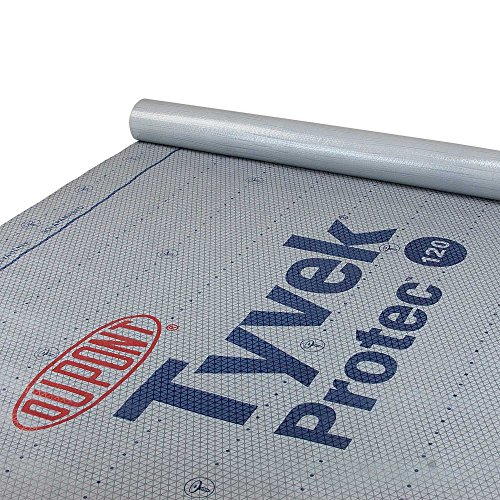
Tyvek Protec 120 is a versatile underlayment designed for varied roof types, including metal, asphalt shingles, and cedar. It offers reliable performance for repair, re-roofing, and new construction. Tyvek underlayments are known for their tear resistance and ease of handling, which can streamline installation on metal roof projects. While designed for multiple applications, the Protec 120 line emphasizes compatibility with metal roofing systems and enduring protection against moisture intrusion. This product is backed by Tyvek’s long-standing reputation for durability and fire resistance, making it a practical option for climate zones with demanding weather patterns.
Use considerations: Ideal for projects requiring a flexible, roof-assembly-friendly underlayment that works across materials. The 120 series balances protection with ease of installation, especially when working with metal roofs in retrofit or new build scenarios.
Tyvek Protec 200 Roof Underlayment

The Tyvek Protec 200 underlayment combines enhanced fire safety with a durable, wrinkle-free surface. It carries a Class A fire rating per ASTM E110 and features a 50-year limited product replacement warranty, with protection claims extending up to six months of UV exposure. This model has ICC-ES AC188 code approval and is Miami-Dade County approved (19-0109.07), signaling strong performance in high wind and hot environments. For metal roof projects sensitive to fire risk and long-term durability, Protec 200 provides a robust barrier against water intrusion while maintaining installation flexibility.
Consider Protec 200 when fire rating and long-term warranty are top priorities. Its approval credentials may be decisive for compliance in regions with strict building codes or insurance considerations for metal roofs.
Titanium PSU30 Peel & Stick Roof Underlayment
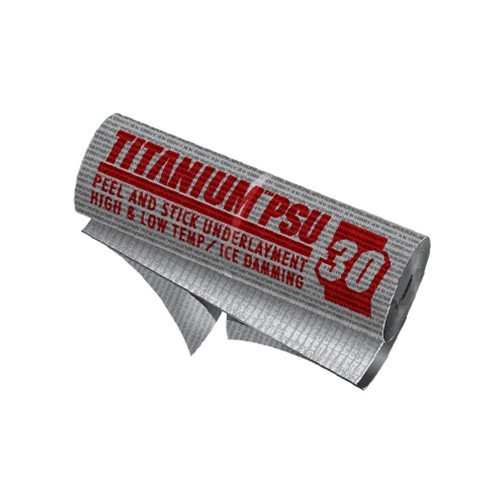
The Titanium PSU30 is a peel-and-stick underlayment designed for seamless installation with superior watertight performance. It provides a complete asphalt-to-asphalt lap system, supporting a reliable seal across joints and edges. The product is characterized by wide temperature tolerance, ranging from -40°F to 240°F, which accommodates extreme climates and seasonal temperature shifts typical of many metal roofing installations. Up to six months of UV exposure rating adds a protective window during construction or temporary exposure in sunny environments. This underlayment is suitable for roof assemblies requiring quick, secure adhesion and strong moisture defenses.
Practical considerations: Peel-and-stick installation can speed up work, reduce fastener usage, and improve overall water control. It’s well-suited for retrofits or new builds where time efficiency and dependable adhesion are critical.
SIPA 100 GSM Synthetic Underlayment

The SIPA 100 GSM synthetic underlayment emphasizes durability and coverage, providing a 1,000 square foot area per roll. It is designed to exceed standard performance benchmarks outlined in ASTM D4869 and D226, with additional certifications including TDI Listed CCRR and FBC approvals. Ultraviolet exposure protection is noted for up to 60 days, allowing for temporary outdoor exposure during installation. While slightly heavier duty than basic composites, the 100 GSM construction offers a balance of strength and manageability, which can be beneficial for metal roof projects that require dependable moisture barriers and a stable surface for membrane or sealant systems.
Usage guidance: Choose SIPA when you need a proven, cost-effective option that holds up under UV exposure and provides reliable layering with other roof components. It pairs well with metal roof assemblies that demand both structural protection and practical handling characteristics.
Buying Guide: Key Purchase Considerations And Comparisons
When selecting a high-temperature underlayment for metal roofs, consider the following factors to align with project goals and code requirements:
- Temperature performance: Verify the underlayment’s rated operating range and UV exposure window to match local climate and construction timelines.
- Bonding method: Self-adhering, peel-and-stick, or mechanically fastened options each affect installation speed, wind uplift resistance, and deck prep needs. For metal roofs, secure adhesion to plywood or OSB is critical.
- Fire resistance: Class A ratings and ICC-ES approvals are especially important in regions with strict fire codes or insurance requirements.
- Compatibility: Ensure compatibility with metal roofing, as well as with common deck materials and other system components like EPDM, TPO, or asphalt shingles.
- UV exposure tolerance: Consider how long the underlayment may be exposed to sunlight during construction and before membrane installation.
- Warranty and codes: Long warranties and code approvals (e.g., Miami-Dade acceptance) add reliability and may influence project permitting and insurer confidence.
- Coverage and weight: Roll size and weight impact handling on the job site, especially for larger metal roof installations.
- Brand support and documentation: Reputable brands often provide installation guides, compatibility lists, and warranty terms that simplify compliance.
Comparative overview:
- Bonding and sealability: Underlayments with 100% butyl or peel-and-stick systems tend to deliver stronger moisture seals and faster installation for metal roofs.
- Fire and code approvals: Tyvek Protec 200’s Class A rating and ICC-ES approval offer robust compliance for regulated projects, while FT Synthetics emphasizes bonding and UV resistance.
- Durability vs. flexibility: Heavier 100 GSM or higher products provide more puncture resistance, whereas lighter options may be easier to handle in tight roof spaces.
These options collectively address common metal roof concerns: heat tolerance, moisture protection, wind uplift resistance, and ease of installation. The right choice depends on climate, project type (new build vs. re-roof), and the desired balance between upfront labor costs and long-term performance.