Best Hot Water Tanks for Campers: Top RV Heaters for on-Demand Comfort
Planning campground stays or mobile adventures requires reliable hot water. This guide highlights five leading RV hot water options, from traditional electric tanks to high‑efficiency tankless heaters. Each selection is evaluated on capacity, durability, voltage, and installation considerations to help you choose the right fit for your camper. The list below pairs practical performance with essential maintenance tips to keep your hot water dependable while on the road or at a remote campsite.
| Product | Type | Key Benefit |
|---|---|---|
| Suburban Advantage RV Tank Water Heater SW6DE | 6-gallon porcelain-lined tank | Durable, corrosion protection, optional electric heat |
| Feelrogast Electric Tank Water Heater 8 Gallon | Electric tank, 120V | Fast heat, compact, durable stainless steel tank |
| Poukaran 65,000 BTU RV Tankless Water Heater | Tankless propane heater | On-demand hot water, high-altitude capability |
| APUS RV Tankless Water Heater | Tankless propane/gas on demand | 3.9 GPM, compact, high-altitude support |
| Camco Camper & RV Water Heater Tank Rinser | Maintenance accessory | Flushing sediment to extend heater life |
Suburban Advantage RV Tank Water Heater SW6DE
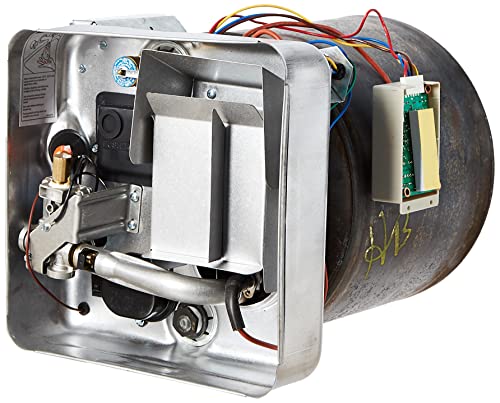
The Suburban SW6DE combines a porcelain-lined steel tank with direct spark ignition (DSI) and an optional electric element. Its durable construction mirrors residential tank longevity, offering years of hot water for typical campers. A replaceable anode rod provides corrosion protection, and the drain functions as the rod, simplifying maintenance and extending tank life. The model supports flexible power options, including an optional electric heat element for generator or campground power, delivering reliable hot water when you need it most.
Feelrogast Electric Tank Water Heater 8 Gallon

This 8-gallon electric tank from Feelrogast offers rapid hot water with a 316 stainless steel heating element, achieving high heat utilization. The tank is designed for durability, featuring a thick enamel coating and pressure resistance to withstand RV use. Safety features include insulated inlets/outlets, leakage protection, high-temperature limiting devices, and auto temperature control, ensuring reliable performance in varied travel environments.
Poukaran 65,000 BTU RV Tankless Water Heater
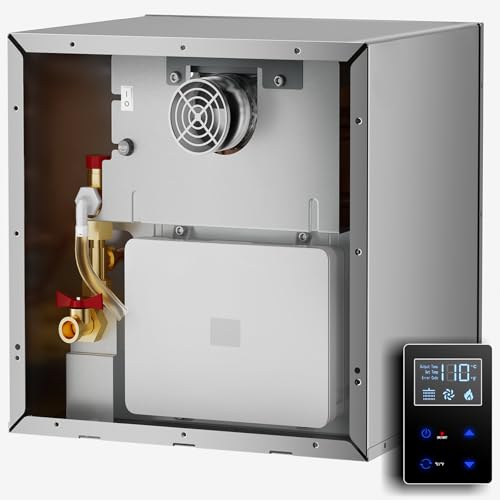
Powered by a 65,000 BTU output, Poukaran’s tankless heater provides on-demand hot water and supports high-altitude operations with an oxygen-free copper heat exchanger and a brushless DC fan. It’s designed to work with multiple RV sizes and door kits available in various dimensions. The unit prioritizes efficient heat transfer and safety, delivering continuous hot water even with lower input pressure, while avoiding preheating delays common with tank models.
APUS RV Tankless Water Heater

APUS offers a compact 68,000 BTU propane-powered tankless unit with 3.9 GPM on-demand hot water. It’s designed for space-constrained RV installations and features precise temperature control via a microcomputer system, thermostatic regulation, and segmented combustion for efficient operation. A smart remote control enables temperature adjustments from a distance, while high-altitude performance ensures reliable heating in mountainous areas.
Camco Camper & RV Water Heater Tank Rinser
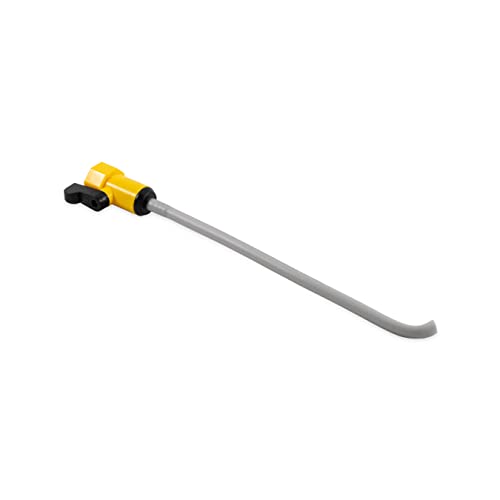
The Camco tank rinser is a practical maintenance tool that helps extend water heater life by flushing sediment from the tank. Attaching to a standard garden hose, it provides a concentrated water stream into the drain valve to lift and remove mineral buildup, improving heating efficiency and reducing tank corrosion over time.
Buying Guide: Key Purchase Considerations For RV Hot Water
When choosing a hot water solution for a camper, several factors influence best-fit decisions. Capacity matters for households with multiple users or longer showers; tank models typically offer steady supply but require space and power. Tankless units prioritize on-demand heating and space efficiency but depend on propane or electrical supply and the correct installation kit. Installation compatibility—including venting, pipe fittings, and electrical requirements—affects project complexity and cost. Durability features like corrosion protection, anode rods, and high-quality enclosures reduce maintenance demands and prolong life. Consider ongoing energy costs and fuel type (electric vs. propane), as well as altitude tolerance for off-grid or mountain camping. Maintenance tools, such as a tank rinser, can help sustain performance by minimizing sediment buildup. Finally, verify compatibility with your RV’s existing plumbing and available power to ensure seamless operation during travel.
For installations, evaluate the space required by each unit, including mounting orientation and clearance. Tank-style heaters typically require more enclosed space but provide reliable simultaneous supply, while tankless units save space and minimize standby energy losses. If you often camp in areas with limited electrical access, propane-powered tankless options may outperform electric tanks, especially when hot water demand is high. Conversely, shore power sites and generators can support electric tanks with stable voltage. A balanced approach often involves pairing a primary heater with a maintenance accessory like a Rinser to maintain optimal performance and longevity.