Best Roof Ice Melt Systems to Prevent Ice Dams and Snow Buildup
Answering the common buyer intent: these roof ice melt systems are designed to prevent ice dams, reduce snow buildup, and protect roof valleys and edges. They suit homeowners seeking proactive winter protection, builders planning for new roofs, and property managers looking for low-maintenance deicing solutions. The following picks range from full-coverage heated-panel systems to valley-specific mats and automatic controls. The quick-reference table highlights key details to compare at a glance.
| Product | Type | Best For | Key Advantage |
|---|---|---|---|
| H&G Lifestyles Roof Snow Melting System | Heated aluminum panels | Asphalt, wood, metal roofs | Self-regulating 8 W/ft cable with high efficiency |
| RHS Valley Heater Mat (5′ x 13″) | Roof valley heater mat | Valleys prone to dams | 50 W/ft, easy DIY installation |
| RHS Valley Heater Mat (15′ x 13″) | Roof valley heater mat | Long valleys | 50 W/ft, UL-listed components |
| WarmlyYours SCA-DUAL-AIR-SS-2 | Automatic snow melt control | Concrete or paver projects | Air sensor-driven activation, holds melt after snow stops |
| Roof Melt by KMI Ice Melter Tablets | Deicing tablets | Concrete edges, gutters, small areas | Made in USA, easy application |
Note: The above table provides a quick snapshot. Details follow for each product to help you choose the best option for your roof type, climate, and installation preferences.
H&G Lifestyles 24FT Roof Snow Melting System

The H&G Lifestyles system uses 12 aluminum heating panels totaling 24 feet of heated surface. It is designed to quickly melt snow and prevent ice dams on multiple roof types, including asphalt, wood, and metal. The system employs an 8 W/ft self-regulating heat cable that adapts to ambient temperature, delivering heat through the panels for efficient deicing. Enhanced heat transfer with insulated panels speeds up melting, especially in cold conditions. Best for homeowners seeking a comprehensive, high-coverage solution for larger roof areas. Choose this if you want integrated heating panels rather than loose cables. A potential limitation is the surface temperature reading at the panel may appear lower than the rated 158°F due to outdoor heat loss, which is normal and should not affect performance.
RHS Valley Ice Dam Heater Mat (5′ x 13″)

This American-made roof valley heater mat delivers strong snow and ice melting to protect valleys from ice dams and leaks. It outputs 50 watts per foot and can melt up to 2 inches of snow per hour, supporting effective dam prevention and reduced water intrusion. It’s designed for straightforward DIY installation with included roofing grommet screws. Best for smaller or shorter valleys. Use this if you want a simple, valley-focused solution with UL-listed components. Limitation: intended primarily for valleys; larger roof sections may require additional coverage.
RHS Valley Heater Mat (15’ x 13”)
This longer RHS valley heater mat offers robust snow and ice melting for extended roof valleys. It outputs 50 watts per foot and uses UL-listed components for safe, reliable operation in winter conditions. It is designed for straightforward DIY installation in longer valleys and provides consistent performance over extended lengths. Best for long valleys or complex roof designs. A caveat is that longer installations may require careful routing of cables and secure fastening in some roof configurations.
WarmlyYours Advanced Snow and Ice Melt Control

The SCA-DUAL-AIR-SS-2 from WarmlyYours provides fully automatic snow melting for concrete and pavers under 30 Amps. It includes the AIR-SS-2 aerial sensor that detects falling or blowing snow at temperatures below 38°F and activates automatically. This solution is ideal for surfaces like walkways or driveways adjacent to roofs. It offers a hands-off approach with an adjustable HOLD-ON TIMER for up to 8 hours after snow stops accumulating. Best for areas where automatic, sensor-driven operation is desired. Limitation: not a roof-valley heater; best used for flat surfaces or walkways near the roofline.
Roof Melt by KMI Ice Melter Tablets

Roof Melt by KMI tablets offer a simple, surface-applied solution for ice dam prevention and snow reduction. They are designed for quick targeting of problem areas such as roof edges and gutters. They are made in the USA and use a durable plastic packaging suitable for long-term storage. Best for quick, on-demand deicing without a full system. Limitation: tablets are applied manually and may require regular reapplication after heavy snowfall or melt cycles; not a heating system.
Roof Melt by KMI 14LB Snow & Ice Melting Tablets
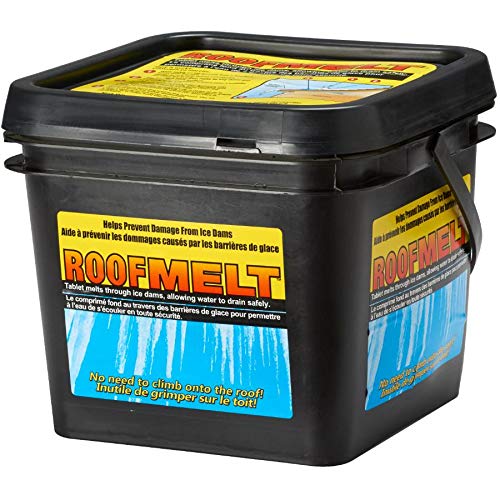
This 14-pound package of KMI tablets offers another robust option for deicing roof edges and gutters. The tablets are designed for reliability in harsh winter conditions and provide a dependable, slower-release melt for targeted areas. Best for homeowners who want a maintenance-friendly option that doesn’t require electrical work. Limitation: not a powered system; performance depends on weather and regular application.
Buying Guide
What roof type and climate affect choice?
Heated-panel systems are typically best for larger roofs with high snow loads and diverse materials. Valley heater mats fit roofs with prominent valleys or limited attic space. For flat walkways and adjacent areas, automatic control systems and deicing tablets can reduce maintenance tasks and energy use.
How to assess installation effort?
DIY-friendly mats and smaller valley heaters usually require basic tools and secure fastening. Full-panel systems demand more planning for wiring, power supply, and panel placement. Consider a kit with clear installation instructions, proper weatherproof seals, and cable management features.
What safety and efficiency factors matter?
Look for UL-listed components and self-regulating cables to prevent overheating. Heat delivery efficiency depends on surface contact (panels vs. mats) and insulation. Energy efficiency can be higher with automatic controls and temperature sensing that activate only under snow/ice conditions.
Maintenance and long-term use
All-electrical systems require periodic inspection of cables, seals, and connections. Deicing tablets offer low-maintenance options but need regular replenishment after heavy storms. Consider the total lifecycle costs and the potential need for professional servicing for larger installations.
What to compare beyond price
Coverage area, electrical requirements, ease of installation, sensor features, and compatibility with existing roof designs should guide selection. For larger, more integrated protection, a panel-based system with a self-regulating cable provides consistent warmth across a broad surface.
FAQs
- What is an ice dam, and why is prevention important? Ice dams form when meltwater refreezes at the eaves, potentially causing leaks and structural damage. Prevention reduces water intrusion and costly repairs.
- Do these systems require professional installation? Some mats and panels are DIY-friendly, while larger panel systems may benefit from professional setup to ensure proper wiring and safety.
- Can I combine products for better protection? Yes. Valley mats can be paired with broader surface heaters or automatic controls to enhance performance in challenging climates.
- Are there safety concerns with electrical roof heating systems? Ensure UL-listed components, proper weatherproofing, and correct power supply to minimize electrical risks and overheating.
- How do automatic sensors improve efficiency? Sensors detect snow and temperature to activate melting only when needed, reducing energy use and preventing re-freezing after storms.
- What maintenance should I plan for? Regular inspections of cables, mats, and control units; reapplication of deicing agents if using tablets; and periodic testing of automatic controls.