Best Indoor Insecticide for Plants: Effective Solutions for Houseplants and Greenhouses
Answering the question “What is the best indoor insecticide for plants?” this guide highlights ready-to-use products suitable for houseplants, herbs, and small indoor gardens. It focuses on products that protect against common pests such as mealybugs, aphids, spider mites, and powdery mildew without strict requirements for outdoor use. The top picks emphasize safe formulations, ease of application, and suitability for indoor environments. This list targets common buyers: indoor plant owners seeking quick, effective pest control, gardeners needing prevention against fungal diseases, and those preferring ready-to-use sprays with minimal setup.
Summary table of selected products:
- Bonide Captain Jack’s Neem Oil — multi-purpose oil spray for fungi, mites, and insects.
- BioAdvanced Houseplant Insect and Mite Control Spray — ready-to-use spray for indoor plant pests and powdery mildew.
- Miracle-Gro Plant Care Leaf Protect and Shine — 4-in-1 spray for insect, mite, disease control and leaf shine.
- Mighty Mint Peppermint Oil Plant Protection Spray — plant-based pest deterrent with peppermint oil.
- BioAdvanced Organics Brand Houseplant Insect Killer — OMRI-listed option for quick pest control and mildew management.
Bonide Captain Jack’s Neem Oil: All-in-One Plant Protector
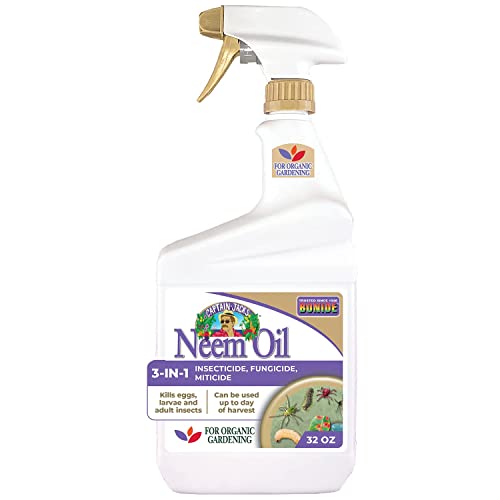
Features: Multi-purpose fungicide, miticide, and insecticide; ready-to-use spray with a convenient nozzle; kills all life stages of insects and helps prevent fungal infections.
Best for: Indoor gardeners seeking a versatile, organic-friendly option that covers pests and fungal diseases in one application. Choose this for tomatoes, peppers, herbs, and decorative houseplants affected by mites, powdery mildew, or aphids.
Caution: Neem oil can cause plant sensitivity if applied during heat stress or directly under strong sun; always test on a small leaf area first and follow label directions.
Bonide Insecticidal Soap: Gentle, Direct-Contact Insect Control
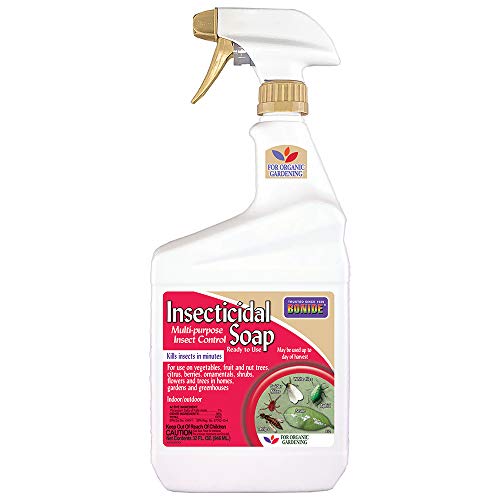
Features: Direct-contact insect control; broad range of pests including aphids, mites, caterpillars, and more; designed primarily for outdoor residential use but applicable for greenhouse and certain indoor setups with proper ventilation.
Best for: Indoor gardeners who want a soap-based, non-residual option and are managing soft-bodied pests on leafy ornamentals. Better when pests are discovered on a small plant cluster rather than an entire collection.
Caution: Not ideal for damaged or stressed plants; avoid use during flowering plants that may be sensitive, and ensure adequate ventilation when used indoors.
Bonide Systemic Houseplant Insect Control

Features: Systemic protection absorbed by roots and moving through the plant; protects for up to 8 weeks; kills insects such as mealybugs, aphids, and scale through ingestion.
Best for: Containerized houseplants and indoor setups with rooted plants where systemic protection is preferred. Choose this if you want longer-lasting protection without frequent reapplication.
Caution: Systemic products may affect pollinators if used on flowering plants outdoors; avoid application on plants that will be harvested for consumption in proximity to pollinator activity indoors.
BioAdvanced Houseplant Insect and Mite Control Spray

Features: Indoor/outdoor houseplant care; kills aphids, fungus gnats, whiteflies, lace bugs, and other pests; also provides disease control for powdery mildew and leaf spots.
Best for: Indoor plant collections that require a dual-action approach—pest control plus disease management. Choose this for mixed plant beds with both pests and fungal threats.
Caution: Requires thorough coverage for best results; avoid spraying on stressed plants or during high heat for extended periods indoors.)
Miracle-Gro Plant Care Leaf Protect and Shine
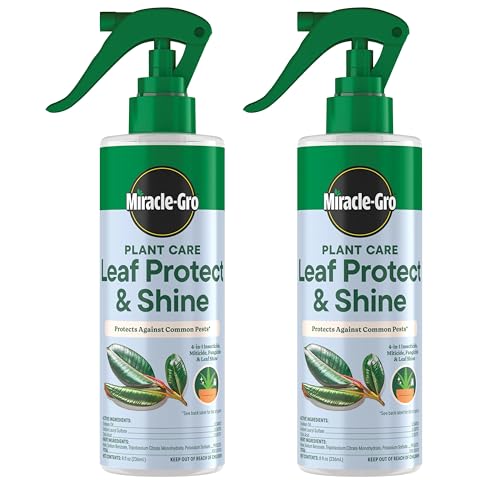
Features: 4-in-1 spray for pest protection, disease control, and leaf shine; targets mites, thrips, aphids, whiteflies; includes fungicide to guard against powdery mildew.
Best for: Indoor plants that benefit from an all-in-one treatment plus aesthetic leaf shine. Choose this when you want both protection and a polished look for ornamental houseplants.
Caution: Some users report residue buildup; use as directed to maintain a natural look on foliage and avoid over-application on glossy leaves which can cause streaking.
Mighty Mint Peppermint Oil Plant Protection Spray

Features: Plant-based pest protection; uses peppermint oil to deter pests like gnats, spider mites, and aphids; designed to be safe when used as directed.
Best for: Indoor gardeners preferring a natural, fragrance-friendly approach with minimal chemical inputs. Ideal for small herb and foliage collections where scent and safety matter.
Caution: Peppermint oil can be irritating to sensitive plants; avoid high-concentration applications on tender new growth or plants with sensitive foliage.
Buying Guide: Key Considerations For Indoor Plant Pest Control
- Target pests: Identify the primary pests (aphids, mites, whiteflies, fungus gnats) to choose a product rated for those species.
- Indoor safety: Look for products labeled for indoor use, low odor, and minimal residue on edible or decorative plants.
- Mode of action: Consider contact vs systemic vs preventive options; systemic products last longer but may affect pollinators if used outdoors.
- Plant compatibility: Check plant type, growth stage, and sensitivity; test on a small leaf area first when using oils or soaps.
- Resistance management: Rotate products with different active ingredients to reduce pest resistance over time.
- Application ease: Ready-to-use bottles with simple spray nozzles are preferable for small indoor gardens or greenhouse spaces.
What to Ask Before Buying
- Is the product labeled for indoor use on the specific plant species you own?
- Does the product guard against both insects and fungal diseases for your setup?
- What is the recommended frequency of application to maintain control without stressing plants?
FAQ
- Q: Can I use these products on edible houseplants? A: Many are labeled for indoor use on edible herbs; always read the label to confirm suitability and safety.
- Q: Are oil-based pesticides safe for flowers? A: They can be safe when used as directed, but some flowers or tender growth may show sensitivity; test first.
- Q: What is the difference between a contact and a systemic insecticide? A: Contact products kill pests on contact; systemic products are absorbed and provide protection from within the plant for a period.
- Q: How should I store these products? A: Store in a cool, dry place away from children and pets; ensure the cap is tightly closed after use.
- Q: Can I combine multiple products? A: Avoid mixing products unless the label specifically allows it; use separate applications if needed.
- Q: How can I prevent pests from returning? A: Combine preventive practices like proper sanitation, quarantine new plants, and monitor weekly for early signs of infestation.