Best Insulation Board for Roof: Top Picks for Energy Efficiency
Choosing the right insulation board for roof applications can dramatically improve comfort and reduce energy costs. This article highlights five standout options from trusted brands, covering reflective foils, foam cores, and ceramic fiber boards. Each product includes practical details to help homeowners and contractors compare performance, installation, and suitability for various roof types. The selections focus on radiant barriers, vapor barriers, and high-temperature resistance where applicable.
| Product | Core Benefit | Typical Use |
|---|---|---|
| SmartSHIELD 3mm 48in x 10ft | Reflective foil, foam core, radiant barrier | Residential and light commercial roofs |
| SmartSHIELD 5mm 48in x 50ft | Higher R-value, all-in-one insulation and barrier | Attics, roofs, and sheds |
| DGSL Double Reflective Bubble Foil | Double aluminum foil with bubble layer | Windows, roofs, garages, RVs |
| BXI Ceramic Fiber Board | High-temperature ceramic insulation | Heavy-duty roof and duct applications |
| FONUNO Reflective Bubble Insulation Sheet | Double-sided reflective bubble sheet | Windows, roofs, and vented spaces |
SmartSHIELD -3mm 16in x 10Ft Reflective Insulation
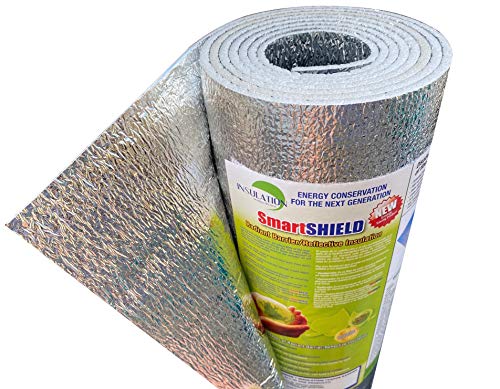
This compact, foam-core radiant barrier offers a lightweight solution for roof lines where space is limited. The 3mm closed-cell polyethylene foam is sandwiched between reflective engineered foil on both sides, delivering a dual action: reflecting radiant heat and providing a vapor barrier. The product’s design prioritizes ease of installation, with clean cuts and straightforward handling, while maintaining durability for indoor and outdoor use. It’s particularly suitable for retrofit projects or attic spaces where thermal gain reduction is a priority.
The 3mm board emphasizes energy efficiency by reflecting up to 95% of radiant energy, helping to reduce cooling loads in hot climates. It also stands up to moisture, making it useful for areas where humidity is a concern. While not a stand-alone replacement for full insulation, it serves as an effective radiant barrier on roof assemblies, especially when combined with other traditional insulation products. The result is a more comfortable interior and potential savings on cooling costs over time.
SmartSHIELD -5mm 48″ x 50ft Reflective Foam Core Insulation

This product expands the concept with a thicker 5mm foam core, delivering a higher overall R-value while still functioning as a radiant barrier. It combines insulation, radiant barrier, vapor barrier, and even a basic sound barrier in one sheet. The white film exterior provides a clean, paint-free appearance, enabling a tidy installation with minimal finishing work. Its all-in-one approach can streamline roof insulation projects by reducing the need for multiple layers and products.
With a stated R-value that can reach about 15.67 in a single layer, this option offers strong performance in both hot and cold conditions. The material is designed to be user-friendly—easy to cut to size, lightweight, and resistant to moisture—and it can reduce heat transfer and improve indoor comfort. For roof retrofits or new constructions where a compact, high-efficiency solution is desired, this board performs well as a primary barrier component or as part of a layered insulation strategy.
DGSL Double Reflective Bubble Foil Insulation

DGSL’s reflective bubble insulation features a double aluminum foil surface with a bubble layer, designed to block solar gain while allowing for flexible installation on various surfaces, including windows, roofs, and garage doors. The product is offered in multiple sizes to accommodate different roof plane layouts and is described as durable and long-lasting, with a focus on heat rejection in summer and warmth retention in winter. The reflective surface reduces heat transfer by reflecting radiant energy away from living spaces.
The dual foil configuration enhances reflectivity, and the bubble layer adds a small air gap that can improve insulating performance. This type of product is particularly useful for retrofits where space is constrained or where a quick, non-invasive installation is preferred. While it does not replace structural insulation in all cases, it can significantly improve roof thermal performance when paired with other insulation layers and proper sealing.
INSULATION MARKETPLACE SmartSHIELD -3mm 48inx10ft Reflective Insulation Roll
This 3mm SmartSHIELD roll combines a lightweight foam core with high-reflectivity aluminum foil on both sides, delivering an effective radiant barrier for roof assemblies. Its vapor barrier properties help protect against humidity-related issues, making it suitable for indoor and outdoor applications. The product is positioned as easy to install and cut, with a strong yet light construction that remains durable under typical roof exposure conditions.
In roof applications, this board can help reduce cooling loads by reflecting radiant heat away from living spaces. It’s most effective when used as part of a layered approach, paired with traditional insulation materials to achieve a balanced thermal envelope. The product’s compact form factor and straightforward installation make it a practical option for limited attic or roofing projects where space and labor are considerations.
BXI Ceramic Fiber Thermal Insulation Board
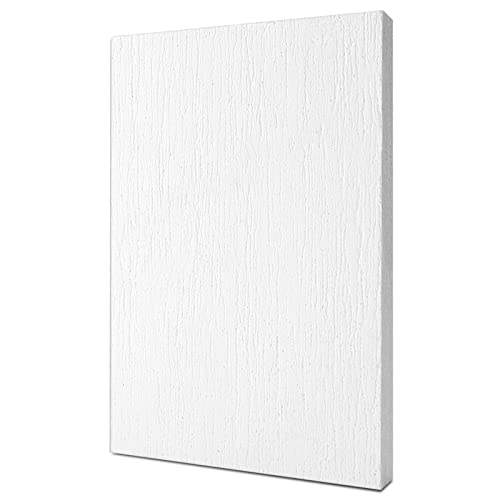
BXI’s ceramic fiber board is an inorganic, high-temperature insulation option designed for demanding roof and duct applications. With a maximum use temperature around 2732°F (1500°C) and a low thermal conductivity, this board provides solid thermal resistance and fire retardant properties. It’s marketed as durable and rigid, with relatively low smoke and odor during heating compared to some organic alternatives. Suitable for high-heat roof zones or areas requiring robust thermal protection, such as near equipment or industrial spaces.
The board’s high density and insulating performance yield a strong R-value per thickness, making it a good choice for retrofit projects where roof membranes or metal structures experience intense solar exposure. While it may require proper handling and specialized installation in some cases, this ceramic fiber option helps ensure safe performance under elevated temperatures. This makes it a strategic choice for professionals targeting long-term stability and fire resistance in roof assemblies.
FONUNO Reflective Bubble Insulation Sheet

The FONUNO sheet uses a double-sided reflective aluminum film with a bubble cushion to boost reflectivity and reduce heat transfer. It is designed for versatility across roof, windows, RV, and garage applications, offering year-round temperature protection. The product’s reflective surface helps minimize solar heat ingress while the bubble layer contributes additional thermal resistance. Its portability and ease of installation suit DIY projects or quick retrofit jobs where a lightweight, flexible barrier is beneficial.
Beyond temperature control, the sheet’s waterproof performance supports outdoor use and simple maintenance. It folds away for storage when not needed, ensuring that it remains a convenient option for seasonal shading or temporary installations as part of a broader energy-efficiency strategy.
Buying Guide: Key Considerations And Comparisons
Selecting the right insulation board for roof projects involves balancing thermal performance, fire safety, moisture handling, and installation practicality. Consider the following factors to guide a decision:
- Thermal performance: Look at R-value and reflectivity. Radiant barriers excel in hot climates by reducing heat gain, while higher-density foams and ceramic fibers provide depth in colder or high-heat environments.
- Moisture and vapor control: Vapor barriers help prevent moisture migration, which can lead to condensation and mold. Choose products designed for indoor/outdoor use if humidity is a concern.
- Temperature tolerance: For roofs near equipment or in industrial settings, high-temperature ceramic fibers offer robust performance.
- Installation: Assess ease of cutting, weight, and compatibility with existing roofing materials. Lightweight reflective foils are quick to install, while ceramic boards may require more careful handling.
- Durability and lifecycle: Consider long-term stability, including resistance to moisture, UV exposure, and physical wear. Some products are designed for repeated cycles of heating and cooling without degradation.
- Application suitability: Some options are better as radiant barriers or vapor barriers, while others provide a combined function. Match the product to the roof type (gable, flat, metal, shingle) and climate.
- Cost and labor: Weigh upfront material costs against potential energy savings and installation labor. In some cases, a layered approach—combining reflective barriers with traditional insulation—offers the best value.
For roof retrofits, a common strategy is to pair a reflective barrier with conventional insulation to minimize radiant heat while boosting overall thermal resistance. In hot climates, prioritize products with high reflectivity and moisture resistance; in colder regions, emphasize materials with strong R-values and fire ratings. Always follow manufacturer installation guidelines and consult a professional for complex roof geometries or high-load scenarios.