Best Insulation for a Van to Boost Comfort and Quiet Rides
Choosing the right van insulation improves temperature control, reduces road noise, and enhances overall comfort during travel and camping. The following products offer a mix of thermal performance, sound dampening, and durability for different van life needs. This guide highlights five strong options, all available on Amazon, to help you select the best fit for your conversion project.
| Product | Brand | Key Benefit | Approx. Coverage |
|---|---|---|---|
| Thinsulate SM600L Automotive Camper Van Insulation | Kei Project | Vehicle-grade thermal insulation, FMVSS 302 certified | 60″ x 120″ (5 ft x 10 ft) |
| Vanspeed Thinsulate Van Insulation | Vanspeed | High thermal efficiency, sound absorption, damp-resistant | Various sizes; up to 40 ft |
| Acoustic/Thermal Van Insulation | Generic | Combines acoustic and thermal properties | 30′ x 60′ |
| Heat Sound Deadening Insulation Mat | Tsurpcao | Heat reflection, sound dampening, weather resistance | 40″ x 60″ sheet |
| SmartSHIELD -5mm Thermal Insulation Mat | INSULATION MARKETPLACE | High radiant barrier, vapor barrier, sound deadener | 48″ x 10 ft |
Thinsulate SM600L Automotive Camper Van Insulation

The Kei Project Thinsulate SM600L insulation is designed for vehicle use, with a 60″ width and 1.65″ thickness. It weighs 0.95 lbs per cubic foot and provides an R-value of 5.45 per inch (RSI 0.96). The product is FMVSS 302 certified and sold in long rolls (10, 20, 30 feet), offering flexible installation options for van walls and ceilings. Its automotive certification supports durable performance in harsh travel conditions.
Vanspeed Thinsulate Van Insulation

Vanspeed Thinsulate insulation emphasizes heat retention and quiet interiors. It traps warmth effectively while allowing moisture to escape to minimize condensation. The product also offers excellent sound absorption, reducing road noise and vibrations for a calmer cabin. Its hydrophobic composition helps resist water intrusion, promoting long-term durability in damp van environments.
Acoustic/Thermal Van Insulation (30′ x 60″)

This option combines acoustic and thermal properties in one panel, marketed for vans. It notes potential lofting up to 1 3/4″ over time, which may influence long-term fitment in tight van spaces. It can serve as a balanced choice where both temperature control and noise reduction are prioritized without specialized layering.
Heat Sound Deadening Insulation Mat — 394mil

The 394-mil heat and sound deadening mat from Tsurpcao provides a robust 40″ x 60″ sheet with a closed-cell foam core and a waterproof aluminum surface. It tolerates a wide temperature range (-40°F to 300°F) and reflects heat to reduce cooling loads. The mat dampens engine and road noise, enhancing cabin comfort and reducing energy consumption from climate control systems.
SmartSHIELD -5mm Insulation Mat
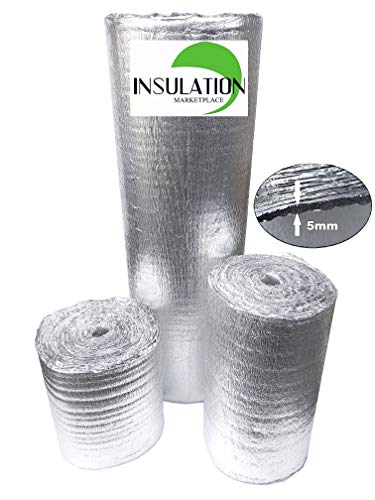
SmartSHIELD combines radiant barrier performance with a dedicated vapor barrier and sound dampening capabilities. With a single layer achieving a high R-value (up to 15.67) and a two-layer configuration reaching around 21.10, this mat is positioned for significant temperature control and noise reduction. It is designed to resist moisture while effectively reflecting radiant energy to improve overall van comfort.
Buying Guide: Key Purchase Considerations For Van Insulation
- Thermal performance: Evaluate R-values per inch and total thickness to determine how well a product will resist heat transfer in both hot and cold climates. Heavier, denser options often yield better thermal performance but can add weight.
- Sound dampening: If you prioritize a quieter ride, look for materials with sound absorption and vibration dampening features. Thinsulate-based products typically offer strong acoustic benefits.
- Moisture management: Hydrophobic or moisture-resistant options help prevent mold and condensation in damp or changing climates. Consider vapor barriers in humid regions or high-traffic areas.
- Durability and safety: Verify automotive certifications (e.g., FMVSS 302) and material resilience under temperature fluctuations, vibration, and road exposure. Fire safety ratings may also matter for enclosed spaces.
- Installation and fit: Determine available sizes and whether a product comes in rolls or sheets. Ease of installation matters for DIY builds and can influence long-term performance.
- Weight impact: Heavier insulation can affect vehicle payload and fuel efficiency. Balance thermal gains with acceptable weight for your van.
- Moisture and corrosion considerations: Some materials resist water but may not offer ideal sound dampening; others excel at noise reduction but require careful moisture management.
- Maintenance and longevity: Look for products with long-term performance and minimal maintenance needs, especially in variable climates and frequent temperature changes.
- Compatibility with van types: Some products are marketed for specific vehicles (Sprinter, ProMaster, RAM Promaster). Ensure compatibility with your van’s framing and window layout.
Choosing the right insulation involves balancing thermal efficiency, sound control, moisture resistance, and installation practicality. The options above provide a spectrum of performance to match different van life goals, from maximum thermal protection to quiet, comfortable interiors with straightforward installation.