Best Insulation for Basements: Efficient Home Comfort and Savings
Basement insulation is a critical part of maintaining a steady indoor climate, reducing energy bills, and preventing moisture-related issues. The right materials can block cold drafts, minimize heat loss, and even reduce noise from upstairs living spaces. Below is a curated selection of effective options designed for basement retrofits, along with practical guidance on choosing the best fit for your home.
| Product | Brand | Key Feature |
|---|---|---|
| SmartSHIELD Reflective Insulation Roll | INSULATION MARKETPLACE | Radiant barrier with vapor and sound control |
| No Itch Natural Cotton Insulation | Frost King | Natural, safe, multi-purpose |
| R-13 Pink Kraft Faced Fiberglass Roll | Owens Corning | Fleece-free, easy 2×4 wall install |
| Window Insulation Roll | winemana | Reflective heat shield for windows |
| Commercial Grade Radiant Barrier Roll | AES | High reflectivity, attic-focused |
INSULATION MARKETPLACE SmartSHIELD Reflective Roll

The SmartSHIELD 3mm reflective insulation is designed as a radiant barrier that reflects up to 95% of radiant energy, aiding in temperature regulation in basements that experience temperature swings. Its vapor barrier properties help protect against moisture migration, making it suitable for damp spaces and even outdoor installations when needed. Users can also benefit from its sound-dampening qualities, which can reduce basement echo and improve overall comfort. For retrofit projects, this material is particularly helpful where a compact barrier is preferred over bulk insulation. It works well behind framing or within existing wall cavities in basements, garages, and crawl spaces.
Key features include high radiant reflectivity, moisture resistance, and versatility for indoor and outdoor use. Note that installation may require appropriate fasteners and sealing methods to maximize effectiveness in concrete or wood-framed basements. This product is a strong choice for reducing heat gain in warmer months and lowering condensation risks in cooler months, contributing to a more consistent basement environment.
Frost King No Itch Natural Cotton Insulation
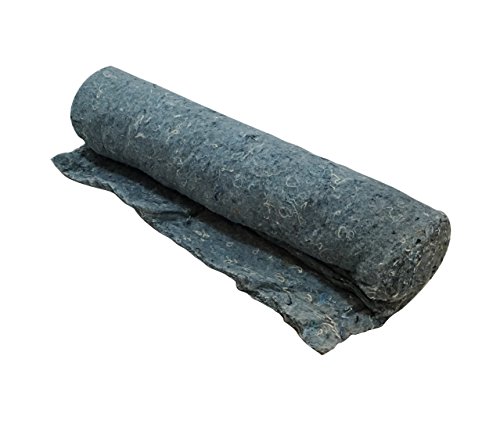
Frost King’s No Itch natural cotton insulation offers a safe, hands-on option for basement projects where traditional fiberglass is not ideal. The cotton fiber provides effective thermal resistance while remaining soft and easy to handle, with fewer skin irritants. The insulation is versatile for pipes, ducts, walls, and small cavities, and can be cut or ripped to fit irregular basement spaces without causing irritation or requiring extensive protective gear. This option is well-suited for DIY basement renovations where comfort and safety are priorities.
Key advantages include safe handling, multi-purpose use for insulation and noise damping, and straightforward modifications to fit odd-shaped sections. While it provides solid thermal performance, users should assess moisture exposure and choose appropriate vapor barriers in damp basements to prevent mold risks over time.
Owens Corning R-13 Pink Kraft Faced Insulation Roll

This R-13 faced fiberglass insulation is a staple for basement walls, especially in 2×4 framed assemblies. Its pink fiberglass composition provides reliable thermal resistance, while the kraft facing helps create a vapor barrier and simplifies installation in interior spaces. The product is designed for easy handling and a comfortable touch, making it a practical choice for DIY and professional projects alike. It also contributes to sound dampening, helping keep basement levels quieter from upstairs activity.
Users should consider proper attic or basement ventilation and ensure that the kraft facing remains intact to maintain vapor performance. While formaldehyde-free, care should be taken during installation to avoid skin or eye irritation, though this product remains a commonly chosen option for cost-effective insulation in basement renovations.
winemana Window Insulation Roll

This window insulation roll features a double-sided aluminum foil layer designed to reflect heat and block drafts around basement windows. The multi-layer construction helps reduce solar heat gain in warmer months and retains warmth during colder periods, contributing to a more stable basement climate. The product’s tear-resistant, high-density foil holds up well to outdoor exposure, making it a practical choice for basement window retrofits, garage doors, or other window openings where energy efficiency is a priority.
Installation is flexible, with options for tape, suction cups, clamps, or hooks, allowing for quick adjustments as you seal gaps and improve insulation. For basements with large or irregular windows, this option provides a lightweight, reusable approach to improving thermal performance without heavy bulk insulation.
500 Sqft NASA TECH Radiant Barrier Roll
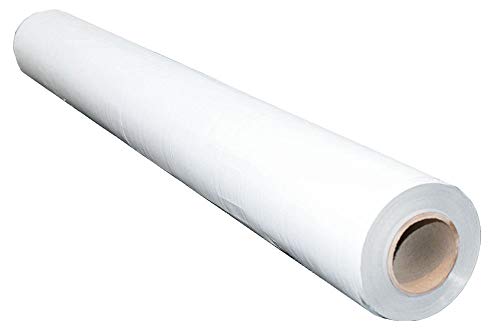
The 500 sq ft radiant barrier roll from AES features a solid white, non-perforated design with double-sided metalized aluminum film, meeting ASTM C1313 standards for radiant barrier performance. The radiant barrier reflects up to 99% of radiant heat, making it a strong candidate for retrofitting attic spaces adjacent to basements or any area where radiant heat transfer is a concern. This product is suitable for retrofit and new construction, contributing to cooler attic temperatures and potential energy savings year-round. It’s versatile enough for use in attics, garages, house wraps, and other spaces where radiant energy reduction is beneficial.
When considering this option, evaluate the space where radiant barriers are most impactful (typically roofs or upper levels near basements) and ensure proper installation to maximize reflectivity. The barrier’s non-perforated design provides durability, but careful sealing and overlap management are important for achieving consistent results across larger basement-environment interfaces.
Buying Guide: Key Considerations For Basement Insulation
Choosing the right basement insulation involves balancing thermal performance, moisture resistance, ease of installation, and long-term durability. Start by evaluating moisture risk in your basement, including humidity levels, basement wall type (concrete vs. stud walls), and any existing condensation or mold issues. For damp spaces, vapor barriers or moisture-resistant materials can prevent mold growth and wood rot.
Radiant barriers, like SmartSHIELD or the NASA TECH roll, excel at reducing radiant heat transfer from upper levels into basements, particularly in sunny climates or homes with poor roof insulation. They can be used in combination with traditional insulation to achieve a layered, high-performance assembly.
Fiberglass insulation, such as the R-13 roll, offers cost-effective thermal resistance and is easiest to install in standard 2×4 wall cavities. When choosing fiberglass, consider faced versus unfaced options and ensure proper air sealing around edges to minimize heat leakage. For DIY projects, fiberglass provides a straightforward method to upgrade basement walls and reduce energy loss.
Natural or safe materials like Frost King cotton insulation can be attractive for those seeking low-irritation options and versatile applications, including pipes and ducts. However, natural fibers may have different moisture sensitivities, so pairing with an effective vapor barrier is important in basement environments prone to dampness.
Window insulation rolls help seal basement window openings, reducing drafts and heat loss through glass. They’re lightweight, easy to install, and reversible, making them a practical add-on for older basements or seasonal use. Consider multiple window sizes and installation methods to maximize effectiveness across all basement openings.
When comparing options, weigh installation effort against long-term energy savings. For larger basements or complex layouts, combining methods—radiant barriers for heat control, fiberglass or cotton for bulk insulation, and window insulation for drafts—can provide a balanced, durable solution. Always follow manufacturer guidelines for safety, moisture management, and fire considerations, and consult a professional if you’re unsure about structural implications or moisture complexities in your basement.