Best Insulation for Exterior Walls: Top Picks for Energy Efficiency
Protecting exterior walls with the right insulation helps reduce energy costs, improve indoor comfort, and minimize noise transfer. This guide highlights five top-rated insulation products designed for exterior applications, focusing on radiant barriers, vapor barriers, and all-in-one solutions. Each option is evaluated on radiant reflectivity, fire safety, ease of installation, and overall performance in exterior environments. Use the buying guide at the end to compare features and decide which product best fits your climate and building needs.
Summary of Selected Products
| Product | Type | Key Benefit | Approximate Coverage* |
|---|---|---|---|
| SmartSHIELD | Reflective Foam Core Insulation Roll | Reflects 95% radiant energy; R-value up to 15.67 with one layer | R15 equivalent |
| Houseables Insulation Roll | Reflective Wall Insulation Roll | 95% reflective, fire-rated Class 1/Class A, versatile | 3 mm thickness |
| Reach Barrier | Double Reflective Insulation Roll | Blocks radiant heat up to 99.7% | 2 ft x 100 ft |
| USEP 5mm R8 | Reflective Foam Core Insulation | Double-sided, vapor barrier, high radiant protection | 2 ft x 10 ft |
| Owens Corning | Fiberglass Batt, R-19 | Proven performance for exterior cavity walls | 16 x 96 x 6.25 in per bag |
*Approximate coverage varies by product and installation conditions.
SmartSHIELD Reflective Foam Core Insulation

Brand: INSULATION MARKETPLACE
Features: Reflects 95% of radiant energy; R-value up to 15.67 with one layer; All-in-one insulation including radiant barrier, vapor barrier, and sound barrier; Clean white appearance requires no painting or additional layers.
Houseables Insulation Roll

Brand: Houseables
Features: 95% reflective capability; Fire-rated Class 1/Class A; Non-toxic; Versatile for walls, ceilings, roofs, floors, and mobile spaces; 3 mm thickness for easy handling and installation.
Reach Barrier DD24100 Double Reflective Insulation

Brand: Reach Barrier
Features: Blocks radiant heat effectively; Two layers of reflective film with barrier bubbles for added protection; Exceeds fire safety codes; Easy installation for attics, exterior and interior walls, garages.
USEP 5mm R8 Reflective Foam Core
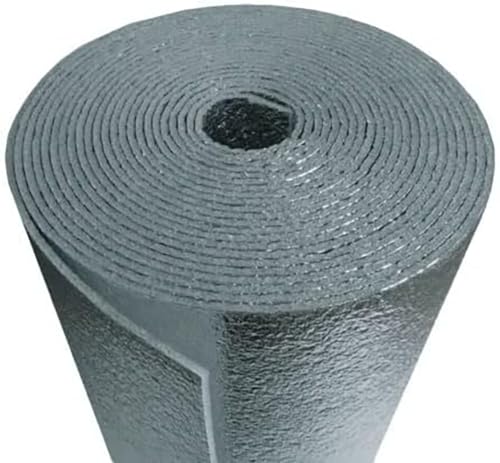
Brand: Trade Winds
Features: R8 rating with 5mm thickness; Double-sided aluminum foil; Vapor barrier; Blocks radiant heat by up to 99.7% for ceilings and walls.
Owens Corning R-19 Kraft Faced Fiberglass

Brand: Owens Corning
Features: Kraft-faced fiberglass insulation, 853 sq ft total coverage in the listed bundle; Designed for exterior wall cavities; Provides standard R-19 performance for typical wall assemblies; Sold as bundles of multiple bags.
Buying Guide: Key Purchase Considerations
- Climate and building type: In hot climates, radiant barriers and reflective foils can dramatically reduce cooling loads, while in colder climates, higher R-values and vapor barriers help minimize heat loss and moisture issues.
- Thermal performance vs. moisture control: Radiant barriers excel at reflecting heat, but combining them with a vapor barrier can protect against condensation in exterior wall assemblies. Consider all-in-one products for simplified installation.
- Fire safety: Look for Class A/Class 1 rating on reflective products and check local building codes to ensure compliance with fire and safety standards.
- Installation conditions: Some products are easier to cut and fit in wall cavities or around obstacles. 3 mm vs 5 mm foams affect rigidity and ease of handling during installation.
- Durability and longevity: Exterior wall insulation should resist moisture, UV exposure, and punctures. Foil-faced products often provide robust durability, while traditional fiberglass requires proper framing and backing.
- Health and safety: Choose non-toxic materials with low VOC emissions. Avoid products with recycled content that may off-gas or degrade in exterior environments.
- Compatibility with existing assemblies: Some products function better as wraps or radiant barriers, while others fit directly into wall cavities or as standalone layers. Assess your wall assembly to avoid compatibility issues.
- Cost vs. performance: High-reflectivity products can reduce cooling costs but may have higher upfront costs. Balance budget with long-term energy savings and ease of installation.
When selecting insulation for exterior walls, consider a combination approach: reflective barriers to reduce radiant heat gain, complemented by a vapor barrier to manage moisture, and fiberglass or foam insulation where cavity fill is needed. The five products highlighted here provide a spectrum of options—from all-in-one radiant barrier solutions to traditional cavity insulation—across different installation scenarios. Always follow manufacturer guidelines and local building codes for best results.