Best Insulation for Heating Ducts: Top Duct-Wrap Solutions for Efficiency
Choosing the right insulation for heating ducts helps reduce heat loss, lower energy use, and improve comfort in homes and commercial spaces. This article reviews five effective duct insulation products, highlighting their core features, installation suitability, and fire-performance where applicable. The selections cover foam-core reflective wraps, fiberglass jacketed wraps, double-sided reflective foams, and flexible duct insulation rolls. Use this guide to compare R-values, moisture resistance, and durability to select the best option for your heating system and climate.
| Product | Brand | Type / Size | |
|---|---|---|---|
| SmartSHIELD -5mm 24”X25ft | INSULATION MARKETPLACE | Foam Core Reflective Insulation Roll, R-8 | High radiant barrier with potential up to R-21.10 when layered |
| Duct Insulation, 1-1/2In x 48In x 25Ft | JOHNS MANVILLE INTL | Fiberglass Wrap | Durable fiberglass with recognized fire-rated standards |
| US Energy Products R-8 HVAC Duct Wrap (AD5 1/4Inch) | Trade Winds | Double-Sided Foam Core Foam | Reflective dual-sided insulation with Class 1/A fire rating |
| 4Inch 25 Feet R4.2 Insulated Flexible Duct | muctamo | Flexible Duct Insulation Roll | Versatile, weather-resistant, easy to cut and fit |
| VIVOSUN Double Bubble Foil Insulation Roll | VIVOSUN | 6″ x 25 ft Reflective Roll | Dual-bubble and foil for moisture resistance and temperature stability |
SmartSHIELD -5mm 24”X25ft Insulation Roll

SmartSHIELD combines a foam core with a reflective aluminum outer layer to minimize radiant heat transfer. It offers a high potential R-value when layered and includes a vapor barrier to reduce condensation risks in variable humidity environments. The product also provides some sound-dampening properties, which may benefit duct runs in living spaces or offices. Installation is straightforward for standard duct runs, though careful sizing and overlap are advisable to maximize effectiveness.
Duct Insulation, 1-1/2In x 48In x 25Ft
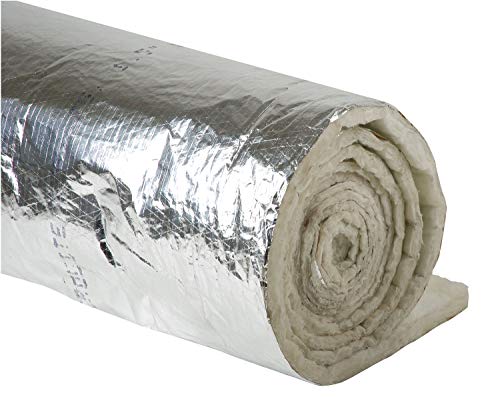
This Johns Manville duct insulation uses fiberglass with an aluminum jacket, designed to withstand typical duct temperatures. It adheres to multiple industry standards and is sized to 1-1/2″ thickness and 48″ width, offering a solid R-value for standard heating ducts. The foil-scrim-kraft jacket helps manage moisture and reduces radiant heat losses, while maintaining flexibility for difficult bends or long runs.
US Energy Products R-8 Duct Wrap (AD5 1/4Inch Thick)

Featuring a double-sided reflective foam core with a 1/4-inch thickness, this product provides a robust shield against radiant heat while offering a Class 1/A fire rating. Its heavy-duty scrim-enhanced construction protects against moisture and abrasion, making it suitable for both indoor and some outdoor duct applications. The product is designed for straightforward installation along duct runs, delivering reliable thermal performance with minimal bulk.
US Energy Products R-8 Duct Wrap (4ft x 100ft)
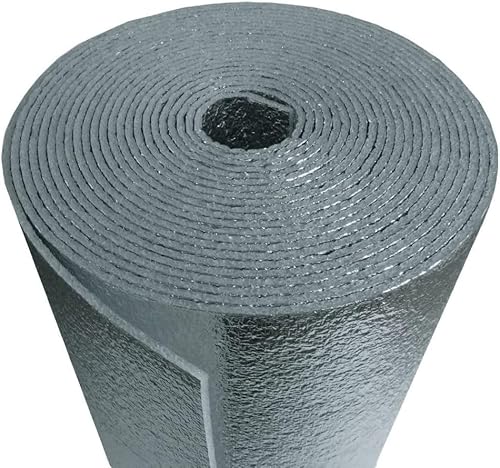
This product offers a similar dual-sided reflective foam core with a generous 4-foot by 100-foot format, ideal for larger duct networks or multiple projects. It emphasizes waterproof, heavy-duty scrim and a Class 1/A fire rating, meeting relevant safety standards. The wrap’s depth and reflective surface help minimize radiant heat gain or loss across extensive ducting runs.
VIVOSUN Double Bubble Foil Insulation Roll

The VIVOSUN roll features dual bubble layers with reflective foil on both sides, enhancing thermal resistance and reducing moisture migration. A non-adhesive and flexible design makes it suitable for irregular duct shapes and space-constrained runs. Its vapor barrier helps inhibit condensation, which is particularly beneficial in basements, attics, or garages with temperature swings.
4Inch 25 Feet R4.2 Insulated Flexible Duct

This flexible duct insulation roll offers R4.2 thermal performance in a compact 4-inch by 25-foot format. It is designed for versatile use across heating and cooling systems, hot water lines, and other ducts. The outer layer is weather-resistant, aiding durability in environments exposed to sun, moisture, or temperature fluctuations. Installation emphasizes easy cutting and shaping to fit varied duct sizes without specialized tools.
Buying Guide: Key Purchase Considerations
- R-value needs: Duct insulation choices range from mid-level R-values to higher, layered options. Assess the expected temperature range and energy goals to determine the appropriate R-value per foot.
- Moisture control: Condensation can reduce insulation effectiveness and cause corrosion. Look for vapor barriers or moisture-resistant jackets, especially in basements or damp climates.
- Fire safety: Fire ratings like Class 1/A indicate suitability for building codes. For occupied spaces or shared walls, prioritize products with tested fire performance.
- Installation practicality: Some products are easier to cut and fit around bends; others provide larger formats for fewer seam points. Consider access to tools and the complexity of duct runs.
- Durability and exterior conditions: Outdoor or exposed ducts require tougher jackets and UV resistance. Indoor application can favor lighter, flexible wraps.
- Moisture and odor resistance: Double-sided reflective foams and bubble foils help resist moisture and odors, which is beneficial for garages, attics, and basements.
- Maintenance and longevity: Durable materials reduce the need for replacement or repairs over time, contributing to long-term energy savings.
- Cost and coverage: Large-format wraps may reduce labor time and waste, while smaller rolls allow precise sizing for irregular duct networks.
- Code compliance: Ensure chosen products meet local building codes and HVAC standards for residential or commercial installations.
When selecting insulation for heating ducts, match the product’s properties to your climate, duct configuration, and installation constraints. Layering options can further boost performance, but ensure proper overlap and sealing to prevent gaps. A balance between insulation value, moisture control, and fire safety typically yields the best results for most duct systems.