Best Insulation for Stove Pipe: Top Picks for High-Temp Heat Management
When selecting insulation for stove pipes, look for high-heat ceramic or fiberglass blankets that can withstand direct flame and elevated continuous temperatures. The best options below are suited for wood stoves, fireplaces, pellet stoves, kilns, pizza ovens, and related setups. Choose based on heat tolerance, thickness, flexibility, and ease of installation. This guide highlights five practical choices and why they fit different buyer needs.
| Product | Brand | Best For | Key Specs |
|---|---|---|---|
| Lyrufexon Ceramic Fiber Insulation (24″ x 15.7″ x 1″) | Lyrufexon | Direct-heat environments like wood stoves and chimneys | 2600°F, 24″ x 15.7″ x 1″ |
| QWORK Fireproof Pipe Wrap | QWORK | Pipes and flues needing adjustable fit | Up to 752°F sustained, 1085°F peak; 2.56–3.50″ diameter |
| Cedolio 24″ x 12″ x 1″ Ceramic Fiber Blanket | Cedolio | Versatile baffle and pipe insulation | 2400°F rating; flexible, tear resistant |
| MMasters 24″ x 8″ x 1″ Ceramic Fiber Blanket | Molten Masters | Extremely high-temp stoves and kilns | Up to 2700°F; easy to cut and install |
| Protalwell Ceramic Fiber Blanket (24″ x 12″ x 1″) | Protalwell | High-temperature insulation for stoves and kilns | Up to 2400°F; easy to cut and install |
Top buyer notes: For direct fire exposure and long-term durability, ceramic fiber blankets like these are usually favored. For pipe or flue applications requiring adjustable fit and clamps, consider wrap-based options. The table above maps typical use cases to the best product fits. The following sections provide detailed, objective comparisons to help you decide which insulation best meets your stove pipe needs.
Lyrufexon Ceramic Fiber Insulation (24″ x 15.7″ x 1″)

This ceramic fiber blanket is designed for direct flame exposure and high continuous temperatures up to 2600°F. It measures 24″ by 15.7″ with a 1″ thickness, making it suitable for wood stove baffles, fireplaces, and chimneys where space allows. Best for buyers needing a large, high-heat panel that can cover broad areas.
Who it’s best for: Housholders upgrading a wood stove baffle or large fireplace insulation where heavy-duty heat resistance is essential. Why selected: It offers a robust heat barrier and a straightforward cut-to-fit approach for flat panel applications. Limitation: Large size may be less convenient for tight duct or pipe routes and requires careful handling to avoid fibers.
QWORK Fireproof Pipe Wrap
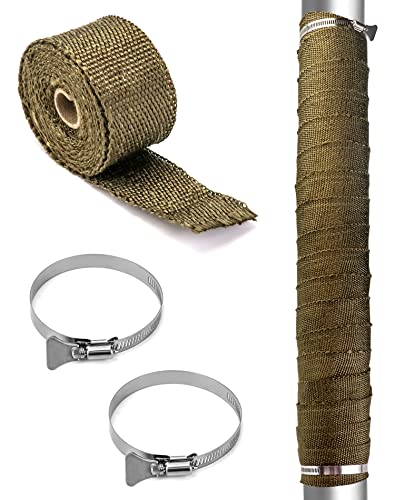
This wrap is designed for pipes and flues, with an adjustable clamp that fits a range of diameters (2.56–3.50 inches). It withstands sustained temperatures up to 752°F and peaks to 1085°F, making it a solid choice for protecting flues and connectors. Best for: installers needing an adaptable, clamp-based wrap for various pipe sizes.
Why selected: Its adjustable diameter and removable design support flexible installations. Caution: Ensure the wrap is securely clamped to prevent movement and check compatibility with your pipe material before installation.
Cedolio Ceramic Fiber Blanket (24″ x 12″ x 1″)

Cedolio’s blanket offers high-temperature resistance up to 2400°F with good flexibility and tear resistance. It’s described as easy to cut and stamp, and suitable for oven staves, kilns, and other high-heat sections where a thinner, adaptable solution helps. Best for: projects requiring a balance of heat resistance and ease of shaping for irregular contours.
Why selected: The combination of flexibility and durability supports smaller, complex areas. Limitation: It’s a 1″ thick blanket, which may require stacking or additional layers for extremely high heat zones.
MMasters Ceramic Fiber Blanket (24″ x 8″ x 1″)

Molten Masters’ blanket is designed for extreme heat with a stated continuous use temperature up to 2700°F. It emphasizes easy cutting and installation, and it’s described as durable with good insulation performance. Best for: high-temperature wood stoves, kilns, and forge setups where maximum heat resistance is crucial.
Why selected: The high temperature rating offers a strong margin for severe applications. Caution: As with many ceramic blankets, proper handling is important to avoid skin contact with fibers.
Protalwell Ceramic Fiber Blanket (24″ x 12″ x 1″)

Protalwell’s blanket is rated up to 2400°F and designed for high-temperature insulation in pizza ovens, kilns, and stoves. It’s marketed as easy to cut and install with high tensile strength and low shrinkage. Best for: users needing a reliable, mid-range high-heat blanket with straightforward installation.
Why selected: Combines workable thickness with solid heat resistance and simple mounting options. Limitation: Claims focus on uniform performance; actual fit may vary in irregular installations.
Buying Guide: Insulation For Stove Pipe
What heat rating do I need? For most residential stove pipes, aim for blankets rated at least 2400–2700°F if direct flame contact is possible. For flue wraps and indirect installations, higher temperature ratings provide a safety buffer.
How thick should insulation be? Thicker blankets (like 1″ or more) provide better heat retention but can be bulkier. Choose thickness based on available space and required heat management.
Material choice matters. Ceramic fiber blankets offer excellent high-temperature resistance and flexibility, while fiberglass or mineral wool variants can suit specific shapes or ease of cutting. Ensure the material is non-corrosive to your stove components.
Installation considerations. Look for products that are easy to cut to size, and either tape, clamp, or fasten securely. For pipe wraps, adjustable clamps improve fit across different pipe diameters. For blankets, consider mechanical fasteners or high-temperature adhesives for durability.
Safety and handling. Wear gloves and a mask when cutting or handling ceramic fiber products. Keep insulation away from skin and eyes during installation to minimize irritation. Follow manufacturer instructions for curing or setting any adhesives used.
FAQ
- What temperature rating is typical for stove pipe insulation? Most residential applications benefit from insulation rated around 2400–2700°F, especially where direct heat exposure occurs.
- Do I need a specific size to fit my stove pipe? Yes. Measure the pipe diameter and space around it to select a wrap or blanket that matches or can be trimmed to fit securely.
- Can I install insulation myself without professional help? Yes, many ceramic fiber blankets and wraps are designed for DIY installation, with safety precautions like gloves and proper ventilation recommended.
- Are there maintenance considerations after installation? Check periodically for signs of wear, shifting, or damage, especially around joints and clamps. Replace damaged sections promptly.
- Which is better for irregular shapes—the blanket or wrap? Irregular shapes often benefit from flexible blankets that can be cut and contoured, while wraps work well for cylindrical sections with clamps.
- Is insulation necessary for all stove pipes? Not always, but insulation helps manage heat loss, protect nearby components, and improve overall system efficiency in high-heat environments.